



VietSonic
Overhead Crane Hoist Overhaul – Comprehensive Inspection, Repair and Restoration
On-site assessment, disassembly and inspection, mechanical restoration, and replacement of deteriorated components to restore the safety, stability, and operational readiness of the lifting system.
When Is an Overhead Crane Hoist Overhaul Required?
After extended operation, the steel structure, drive system, load wire rope, and electrical components of an overhead crane hoist may become worn, corroded, or develop excessive clearance. The equipment may still operate, but its stability and load-control capability may already have deteriorated.
VietSonic conducts overhead crane hoist assessments and overhauls through a comprehensive evaluation of the structure, lifting mechanism, travel mechanism, electrical system, and safety protection devices.

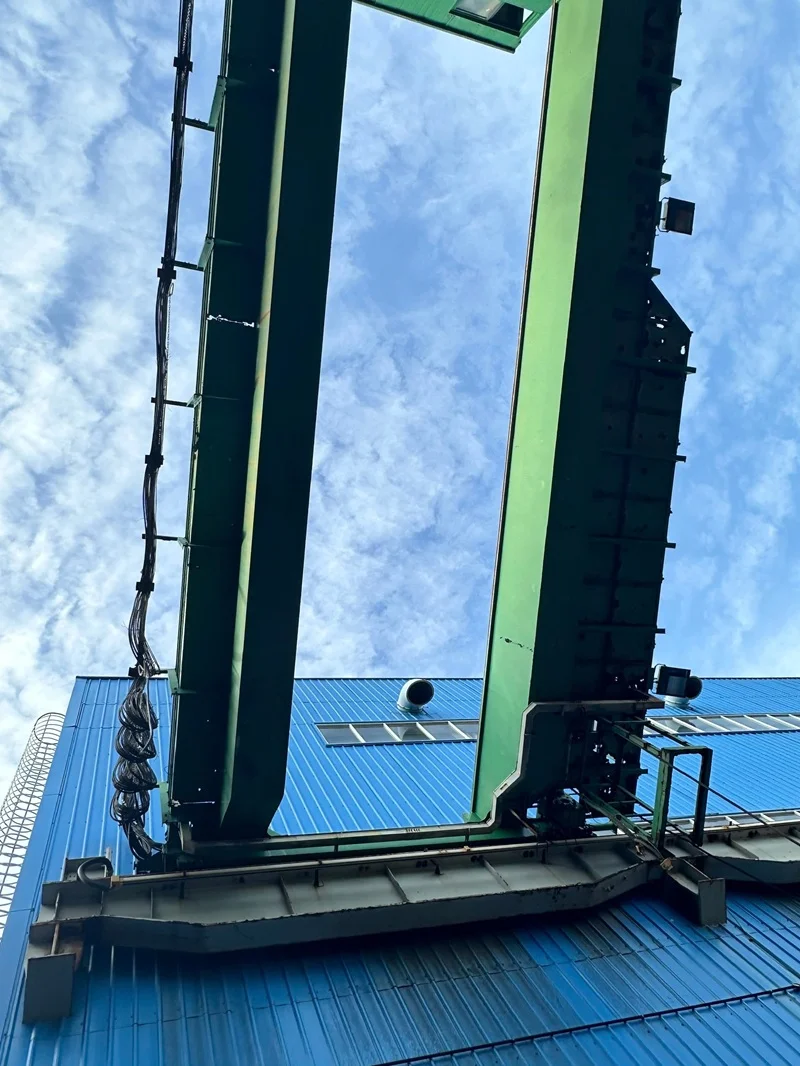
Inspection of the Electrical System and Travel Mechanism
The power and control cable systems must continuously extend and retract as the trolley travels. After years of operation, cables may become tangled, cracked, aged, or damaged at suspension and direction-change points.
During the overhaul, the technical team inspects power cables, control cables, cable lugs, junction boxes, cable suspension assemblies, travel motors, electrical panels, contactors, relays, limit switches, and emergency-stop devices.

Disassembling the Hoist to Inspect Each Component Assembly
A hoist overhaul involves more than external cleaning or replacing gearbox oil. The equipment must be disassembled by assembly to accurately determine wear levels, corrosion condition, and whether each component remains fit for continued service.
Key inspection items include the hoist motor, gearbox, rope drum, steel wire rope, brake assembly, sheaves, lifting hook, shafts, bearings, gears, couplings, trolley frame, and connecting components.

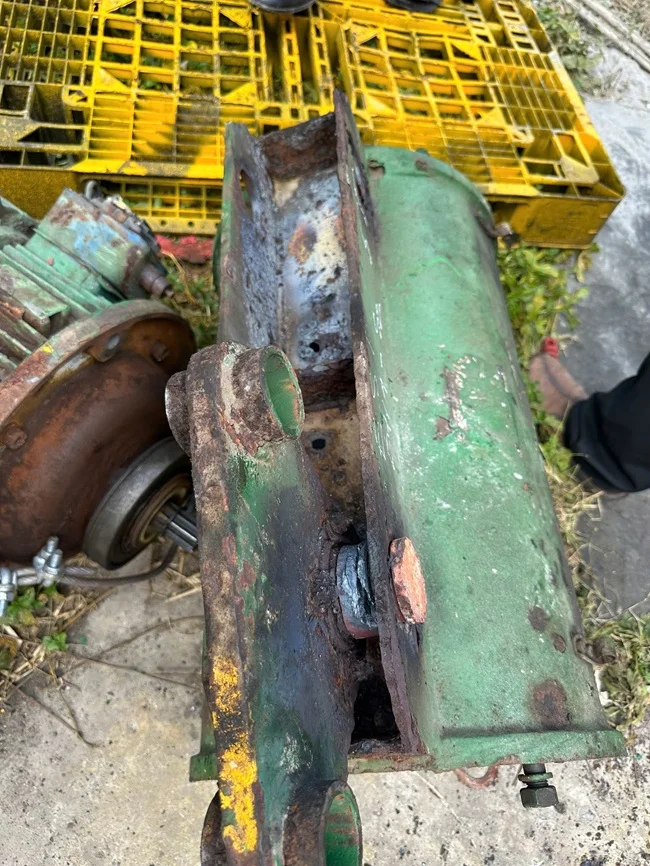
After disassembly, components are cleaned so their working surfaces, wear, cracks, deformation, and clearance can be inspected. Parts that still meet technical requirements are restored, while components directly affecting load holding and lifting safety must be replaced when they no longer meet the required condition.
Restoring the Brake Assembly and Corroded Areas
The brake determines the hoist’s ability to stop and hold a load. When brake linings are worn, braking surfaces are contaminated with oil, springs have weakened, or the actuation mechanism is jammed, the load may drift after lifting stops.
Restoration work may include
- Re-machining pins, bushings, and mating surfaces.
- Replacing brake linings, springs, and worn actuation components.
- Replacing bearings, oil seals, and sealing rings.
- Restoring or replacing deformed, cracked, or severely corroded components.
- Removing rust, treating surfaces, and applying anti-corrosion coatings.
- Adjusting brake clearance to suit the load rating and operating conditions.
VietSonic
prioritizes restoring assemblies that remain technically serviceable, while components that can no longer ensure safety are not returned to service.
Inspection of the Rope Drum, Load Wire Rope, and Sheaves
The steel wire rope directly carries the load. It must be inspected along its entire length, especially where it passes over sheaves, at the anchoring point on the drum, in areas where rope layers overlap, and along sections subjected to frequent bending.
The sheave grooves and rope drum surface must also be inspected. If the grooves are worn or deformed, a newly installed wire rope may still be pinched, slip, or wear rapidly.

Restoring or Replacing a Deteriorated Winch Assembly
Some older winch assemblies may suffer simultaneous corrosion of the housing, support frame, rope drum, and drive mechanism. In such cases, restoration must be evaluated against replacement with a new assembly of suitable specifications.

The selected solution depends on the extent of damage, restoration feasibility, post-repair safety, spare-part availability, and allowable equipment downtime.
Overhead Crane Hoist Overhaul Process by
VietSonic
Condition assessment
Inspect the crane structure, lifting mechanism, travel mechanism, electrical system, brakes, and steel wire rope.
Damage identification and classification
Classify components that can be reused, require restoration, or must be replaced.
Equipment removal
Remove the hoist, motor, gearbox, rope drum, and related assemblies in accordance with an approved safe-work plan.
Cleaning and inspection
Remove grease and rust; inspect wear, clearance, deformation, and surface condition.
Repair and replacement
Perform mechanical restoration and replace bearings, seals, wire ropes, brake linings, electrical cables, and damaged components.
Reassembly and alignment
Align the rope drum, brakes, couplings, wheels, limit switches, and control system.
No-load test run
Check all directions of movement, noise, vibration, temperature, and travel limits.
Operational testing
Evaluate brake performance, lifting and lowering capability, and overall system stability.

Benefits of Overhauling at the Right Time
For overhead crane hoists that have been in service for many years, replacing a single component may only address the visible symptom. A comprehensive overhaul helps identify the relationships among mechanical, electrical, brake, wire-rope, and drive-system defects.
Overhead Crane Hoist Overhaul Services by VietSonic
VietSonic provides on-site assessments, damage evaluations, and repair plans tailored to the actual condition, load rating, and operating environment of each system.
Weak lifting performance, load drift, or vibration during operation?
When the equipment produces unusual noise, the wire rope winds unevenly, the brake cannot hold the load reliably, or the travel mechanism frequently jams, the equipment should be stopped and inspected before the damage becomes more severe.