

Combine welding and cutting in one cycle
Ultrasonic vibration acts at the contact area to cut the material while bonding the edge of a compatible thermoplastic structure. This process can eliminate a separate post-cutting operation.
The machine combines cutting and bonding on compatible thermoplastic materials within a single cycle. VietSonic receives actual samples, tests operating parameters, and designs the machine configuration around each company’s production requirements.
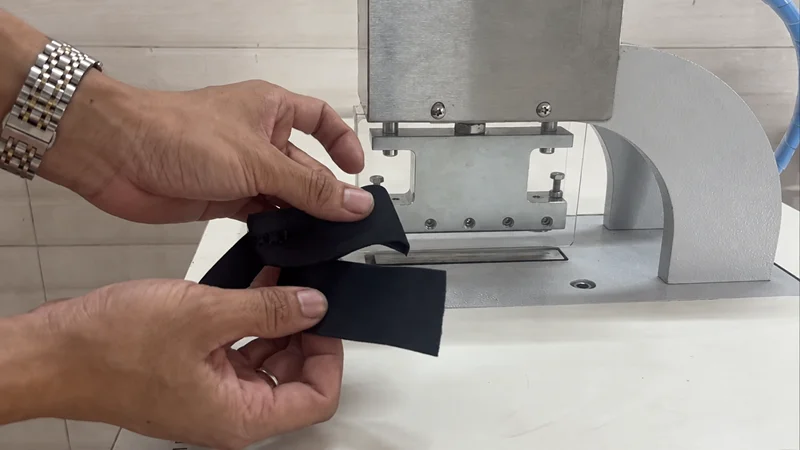
Welding and cutting performance depends on the material type, number of layers, thickness, cutting profile, cycle speed, and surface requirements. Therefore, one set of parameters cannot be applied unchanged to every product.
VietSonic starts with the customer’s actual sample and current process. The engineering team identifies the working area, tests the parameters, and evaluates the welded and cut edges before recommending the appropriate power level, tooling, and operating mechanism.
The benefits below apply to compatible materials after sample testing and proper parameter adjustment.
Ultrasonic vibration acts at the contact area to cut the material while bonding the edge of a compatible thermoplastic structure. This process can eliminate a separate post-cutting operation.
The tooling profile, pressure, amplitude, and activation time are adjusted to the sample. With the correct configuration, the process produces cleaner, more repeatable edges than inconsistent manual operations.
Starting with the core welding and cutting unit, companies can add fixtures, feeding mechanisms, sensors, or cycle controls to match their required output and existing layout.
The engineering process allows companies to review results on their own materials before finalizing the investment plan.
Engineers document the material, number of layers, cutting dimensions, target output, feeding method, and finished-product acceptance criteria.
The sample is tested to verify feasibility, determine the appropriate parameter window, and identify any limitations that must be addressed.
Based on the test results, the engineering team selects the generator configuration and designs the ultrasonic assembly, fixture, and operating method.
The machine is calibrated with the product sample, cycle-tested, and delivered with operating instructions and an agreed technical support plan.

View the machine configuration and layout.
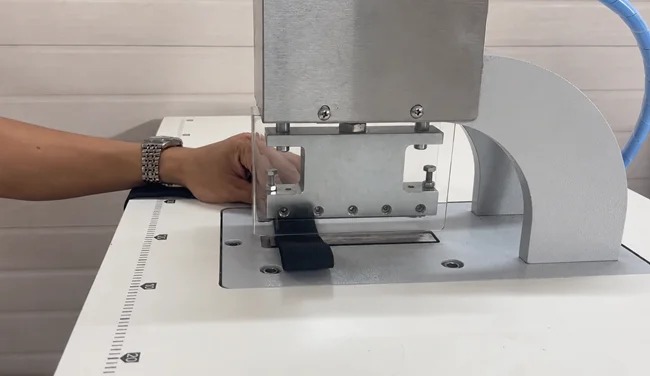
Observe the working area during the cycle.
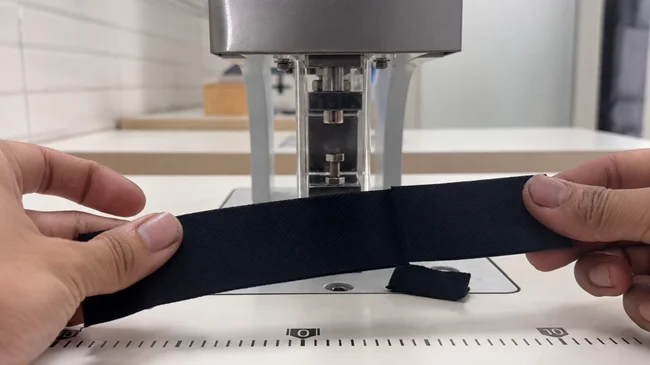
Evaluate the results directly on the sample.
The video allows companies to review the machine configuration, operating procedure, and welding and cutting area before submitting a sample for testing.
This is the machine configuration published in the product introduction. When a company submits a sample, VietSonic will verify the configuration against the material, cutting profile, and required output.
| Model | VS2026 |
|---|---|
| Operating frequency | 20 kHz |
| Power | 2.600 W |
| Power supply | 220 V – 50 Hz |
| Tooling and operating mechanism | Designed to the product sample and agreed operating method |
Since 2014, VietSonic has developed high-power ultrasonic equipment in Vietnam and supported companies from testing through operation.
The test results allow both parties to assess material compatibility and select an evidence-based solution.
The tooling, fixtures, and mechanisms are adapted to the product’s dimensions, shape, and actual operating method.
Testing, adjustment, and technical coordination are handled directly, making it easier to accommodate product changes.
The engineering team provides operating guidance, coordinates maintenance, and helps resolve issues that arise during use.
The machine can be evaluated for nonwoven fabrics, selected synthetic fabrics, plastic films, and thin plastic components used in packaging or industrial sewing. Suitability must be verified on the actual sample because material composition, layer structure, and thickness directly affect the result.
Applications that require profile cutting and edge treatment on films or thermoplastic materials while reducing separate handling steps.
Applications that require controlled edges on compatible nonwoven or synthetic fabrics to reduce fraying after cutting.
Teams that need to test a new process, develop fixtures, or integrate ultrasonic welding and cutting into existing equipment.
Companies should provide a material sample, drawing or cutting dimensions, required output, and a video of the current process. VietSonic will review the requirements and recommend the next testing step.


