



In industrial maintenance, the difference between a common repair unit and a professional technical team lies in the methodology.
At Vietsonic, every maintenance or repair task begins with a technical survey, data analysis, and root cause diagnosis, rather than proceeding based on subjective experience.
In recent projects, the VietSonic engineering team has directly surveyed numerous tank systems, piping, and industrial equipment at large-scale plants. Through practical evaluation, we have observed that most failures do not originate from major defects but start from small weak points that go undetected.
1. Technical survey is a mandatory step before any repair decision
In industrial environments, tanks and piping systems are constantly subjected to:
- continuous load
- vibration
- thermal expansion
- chemical impact
- environmental corrosion
Therefore, before proposing any repair plan, VietSonic always conducts an overall assessment of the system’s structure and physical stability.
The survey process includes:
- Inspection of the tank body and base
- Assessment of anchoring points and load-bearing structures
- Weld seam inspection
- Flange and valve inspection
- Material corrosion assessment
- Determination of the remaining load capacity limit
A comprehensive survey helps predict risks rather than waiting for failure to occur.
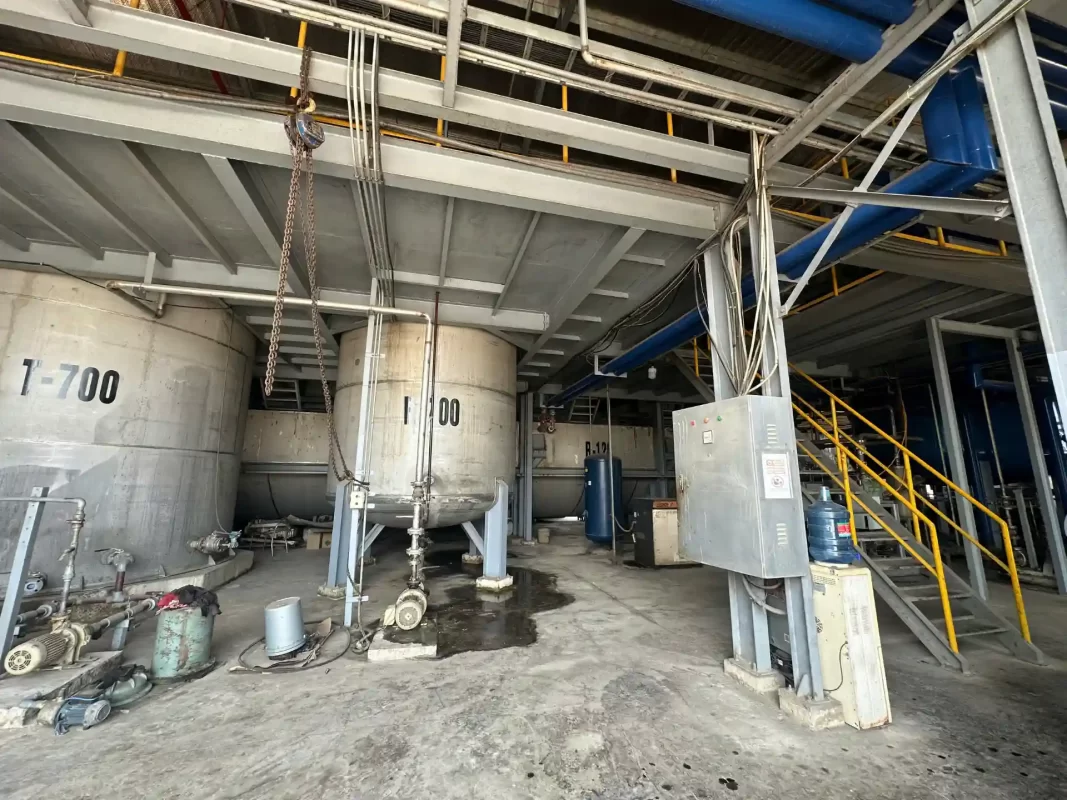
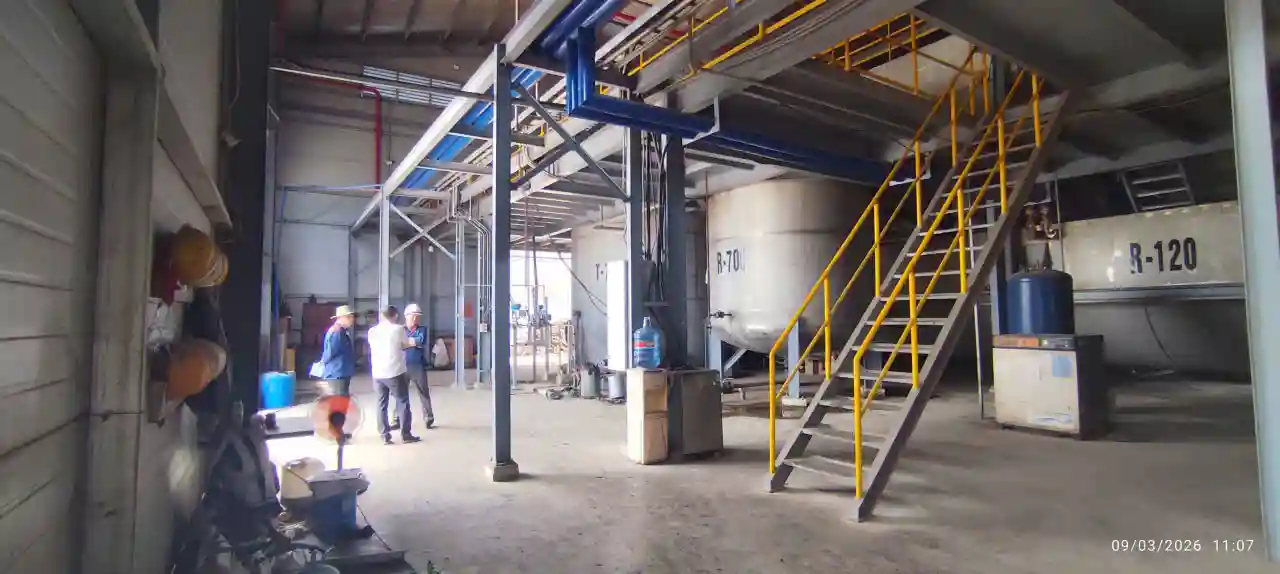
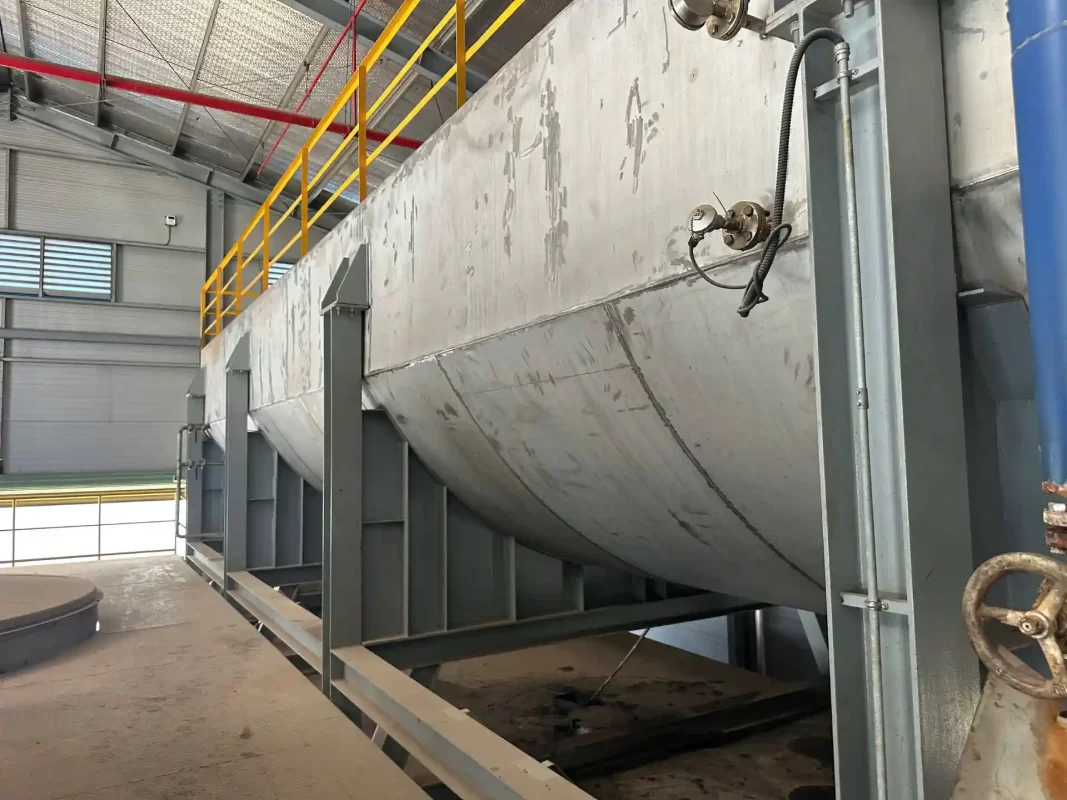
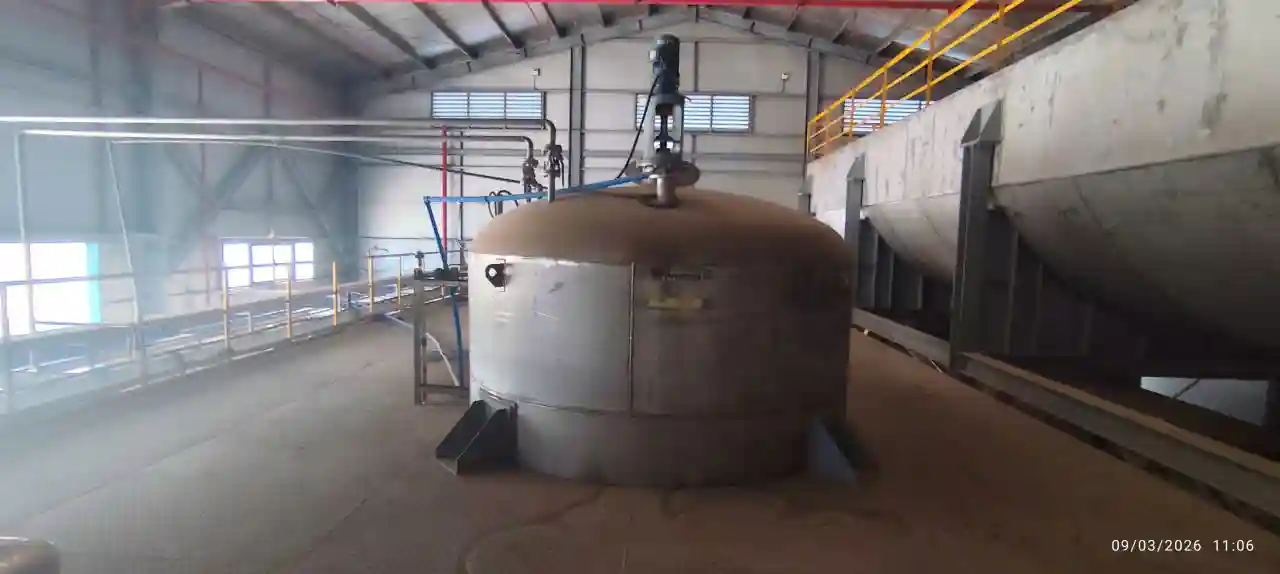
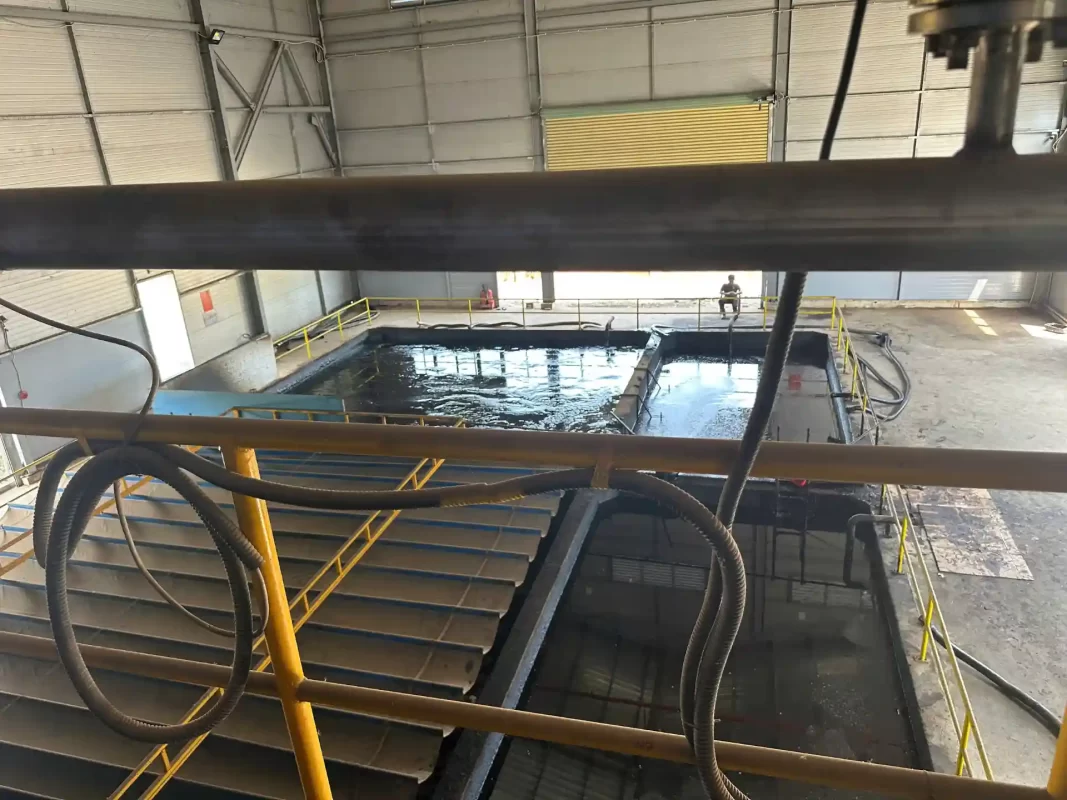
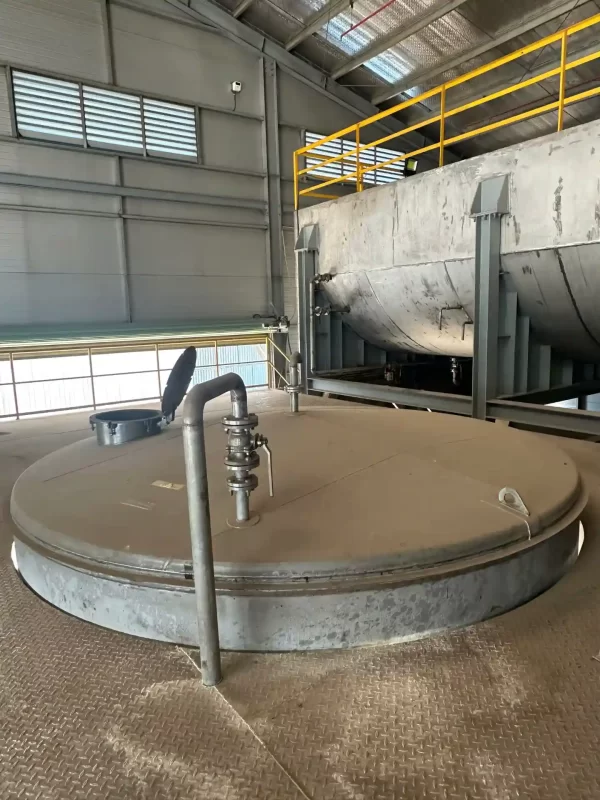
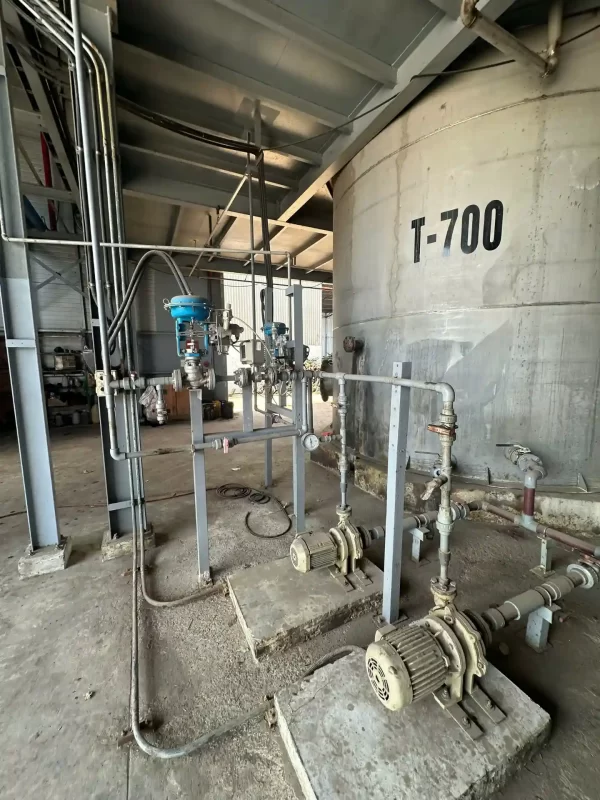
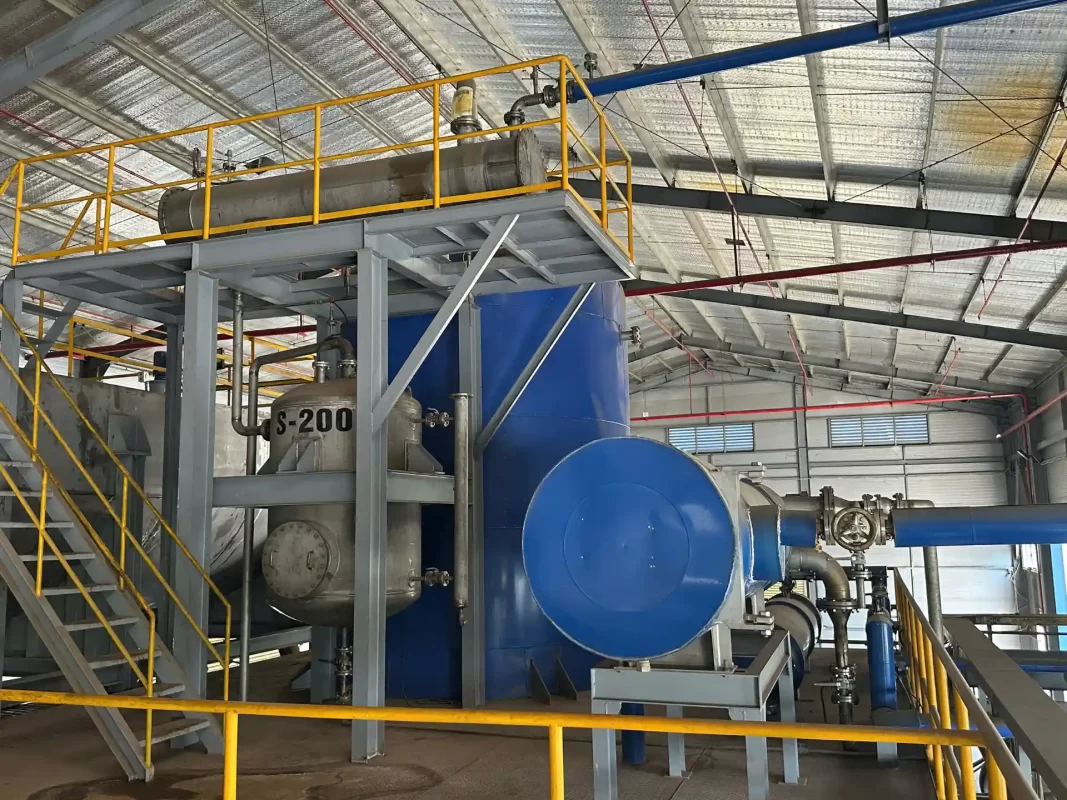
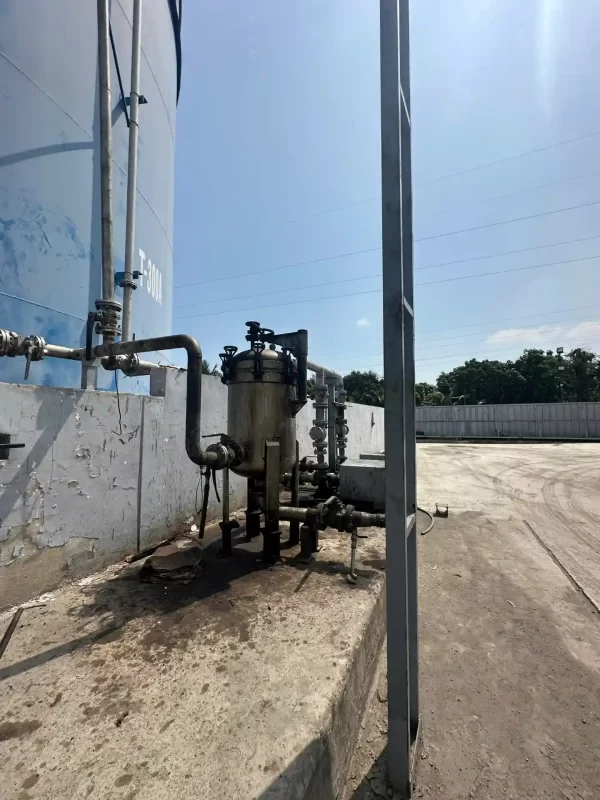
Survey images: Vietsonic records the overall scale and layout of a tank system before performing in-depth diagnosis.
2. Multi-point inspection – the principle of no missing defects
In actual operation, failure rarely occurs in easily visible locations.
Most damage starts from critical weak points:
- joints
- flanges
- gaskets
- drain valves
- blind spots
- vibration-prone areas
- heat-affected zones
Consequently, VietSonic applies a multi-point survey method, inspecting from large structures to small details.
The inspection process usually includes:
- wide-area inspection
- point-by-point connection checks
- load-bearing position checks
- frequent leakage area inspection
- hard-to-observe area inspection
This method helps detect hidden faults before they develop into major incidents.
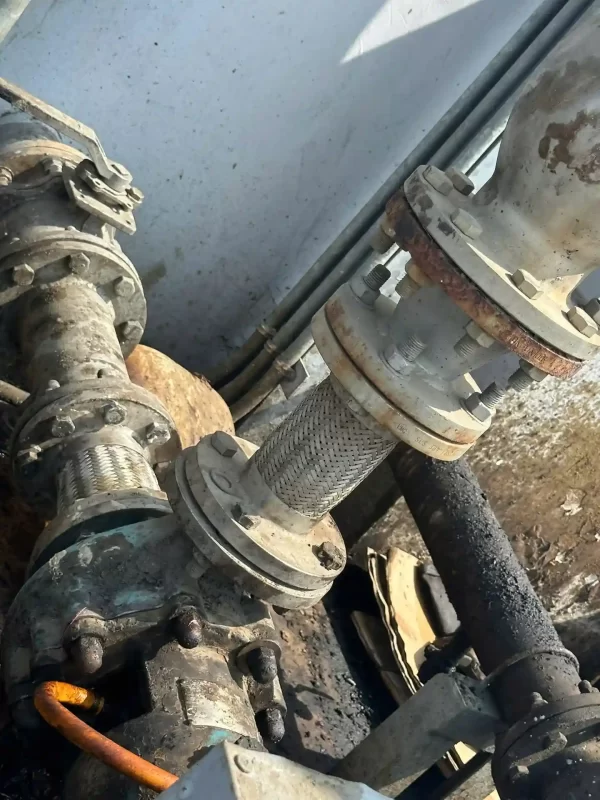
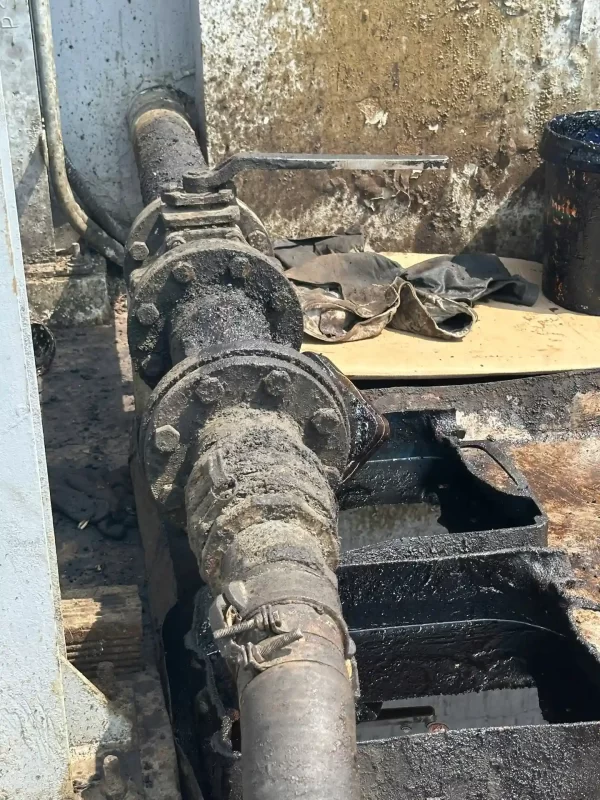
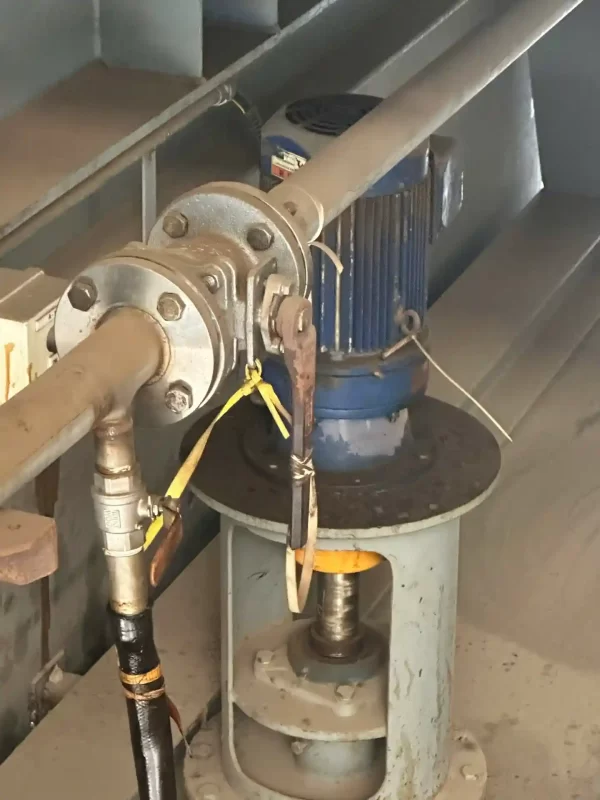
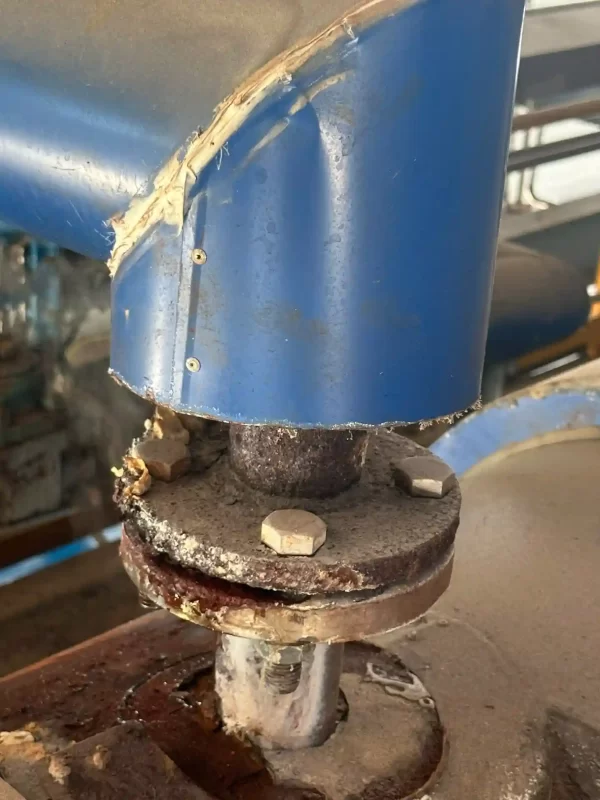
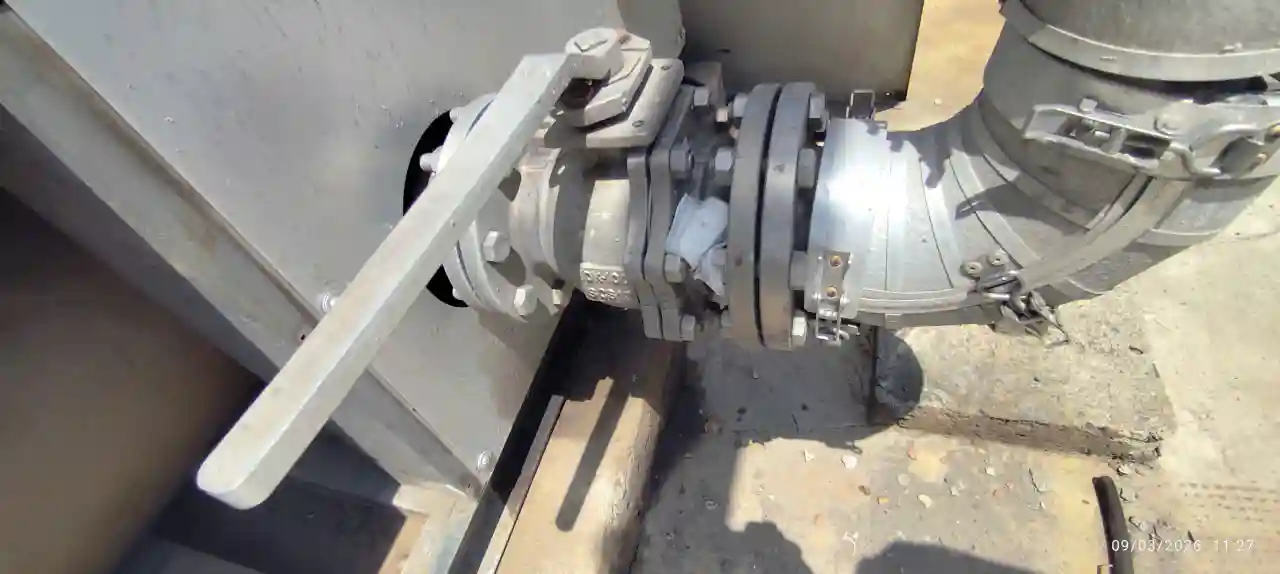
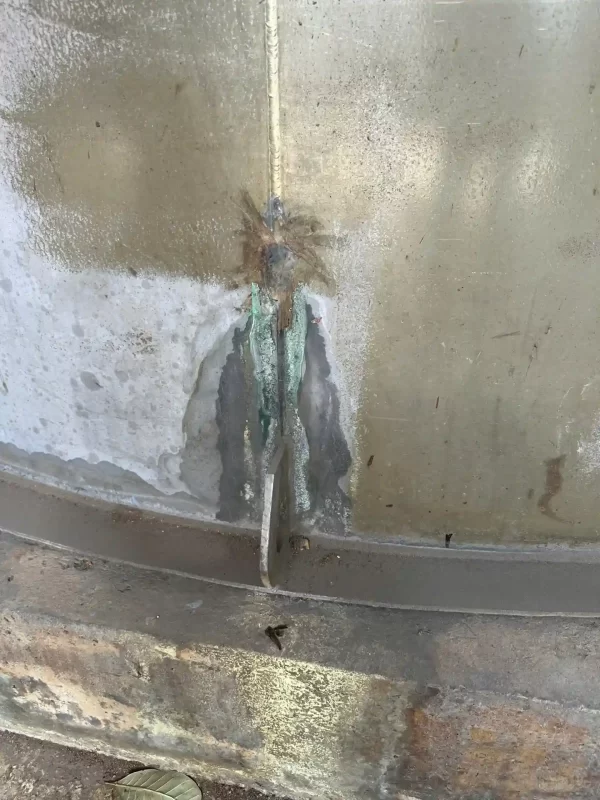
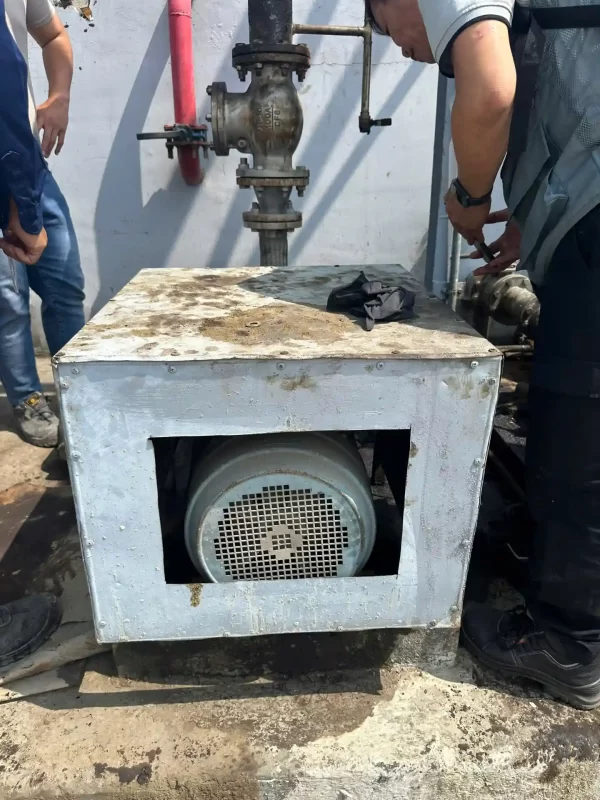
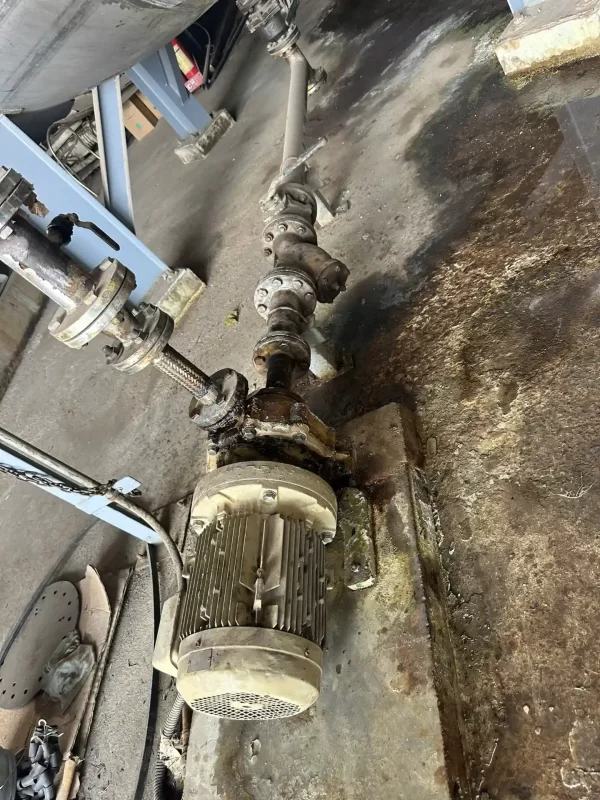
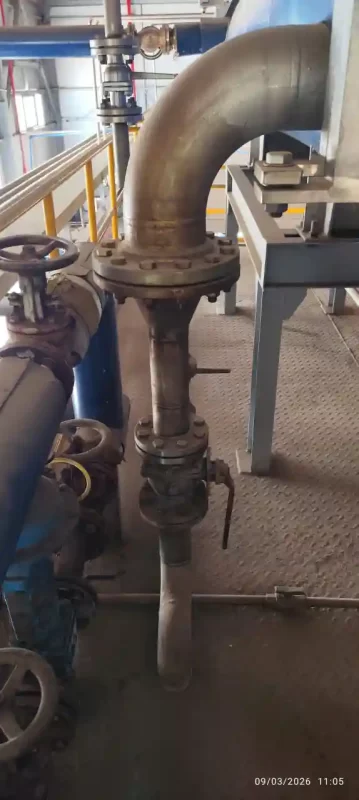
Survey images: Vietsonic conducts in-depth surveys of local technical details to isolate risks and collect actual parameters for the maintenance plan.
3. Every repair plan is based on data, not intuition
A technical principle of VietSonic is:
Do not repair without fully understanding the cause.
After the survey, the engineering team establishes a status record, including:
- on-site images
- measurement parameters
- defect locations
- hazard level assessment
- root cause analysis
From this data, a processing plan is then established.
The plan may include:
- gasket / packing replacement
- restorative welding
- structural reinforcement
- pipe section replacement
- tank cleaning
- corrosion treatment
- equipment calibration
- valve / pump system re-checking
The goal is not to fix fast, but to fix right.
4. Execution according to industrial standard procedures
Once the plan is agreed upon, VietSonic implements the execution according to standard technical procedures:
- construction method statement establishment
- safety control
- system isolation
- material control
- quality control
- downtime control
During execution, every change must be technically re-evaluated.
This helps to:
- avoid incorrect repairs
- avoid unexpected costs
- avoid operational risks
5. Verification before handover – a mandatory standard
After repairs are completed, the system is not put into operation immediately.
VietSonic always performs checks:
- leak testing
- pressure testing
- vibration inspection
- operational testing
- load testing
- safety inspection
Only when requirements are met is the system officially accepted.
This is a crucial step often overlooked in minor repairs.
6. Standard maintenance helps reduce operating costs
Through many practical projects, we have observed:
Plants with proper technical maintenance typically have:
- less downtime
- fewer leaks
- less equipment replacement
- lower operating costs
- higher system lifespan
Conversely, ad-hoc repairs often lead to:
- repeated repairs
- increased costs
- production disruption
- safety hazards
7. VietSonic – Engineering done right
We don’t just repair.
We:
- survey
- analyze
- diagnose
- plan
- execute
- verify
- handover
Each task follows a clear technical process.
That is why VietSonic is selected by many plants for:
- periodic maintenance
- system repair
- troubleshooting
- technical survey
- status assessment
8. Acceptance of survey – maintenance – industrial system repair
VietSonic undertakes:
✔ Technical survey
✔ Periodic maintenance
✔ Tank – Pipe – Valve – Pump repair
✔ Leakage handling
✔ Structural reinforcement
✔ Equipment inspection
✔ Factory technical support
Contact us for a survey and advice on the plan best suited to your enterprise’s system.
- Phone: 0938 49 33 66 (Mr. Hai)
- Email: info.vietsonic@gmail.com
- Website: https://vietsonic.vn