



Workshop repair service for leaking hydraulic cylinders and oil leakage
VietSonic provides inspection, measurement, repair, and restoration services for hydraulic cylinders with oil leakage, seal failure, scratched piston rods, worn guide bushings, or pressure loss during operation.
A leaking hydraulic cylinder should not be fixed by simply replacing the seals
A hydraulic cylinder is a key actuator in many types of industrial machinery. When a cylinder leaks oil, loses pressure, or has external oil leakage, the machine may become weak, lose pressing force, move unstably, contaminate the work area, and directly affect production efficiency.
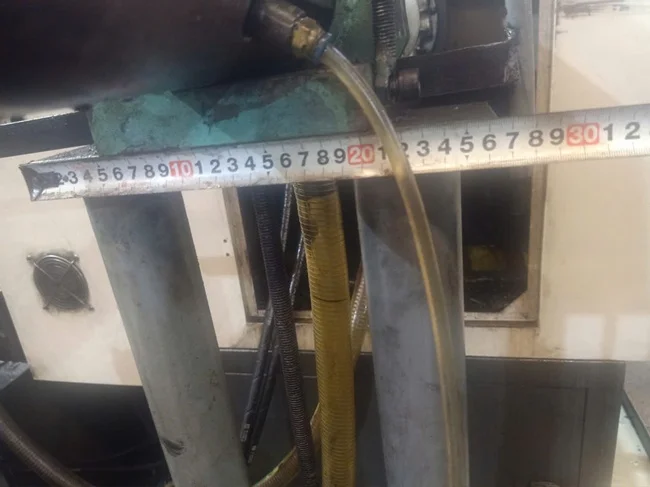
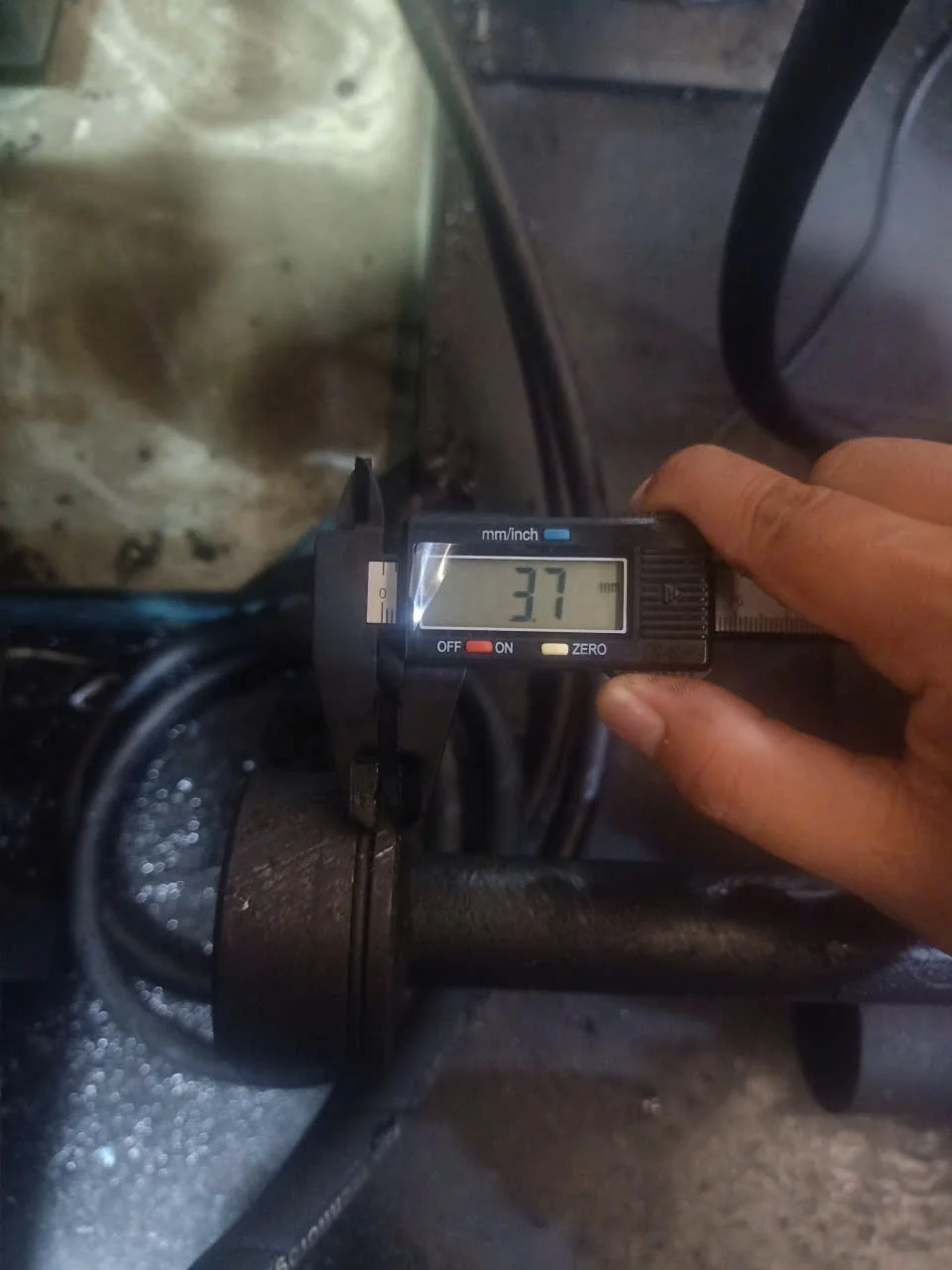
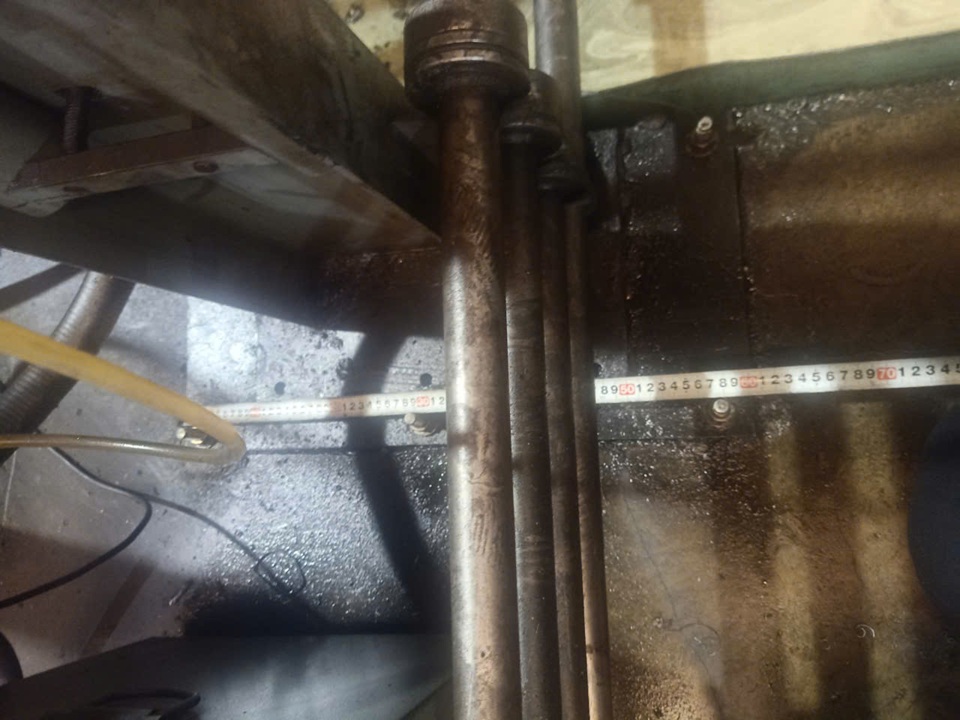
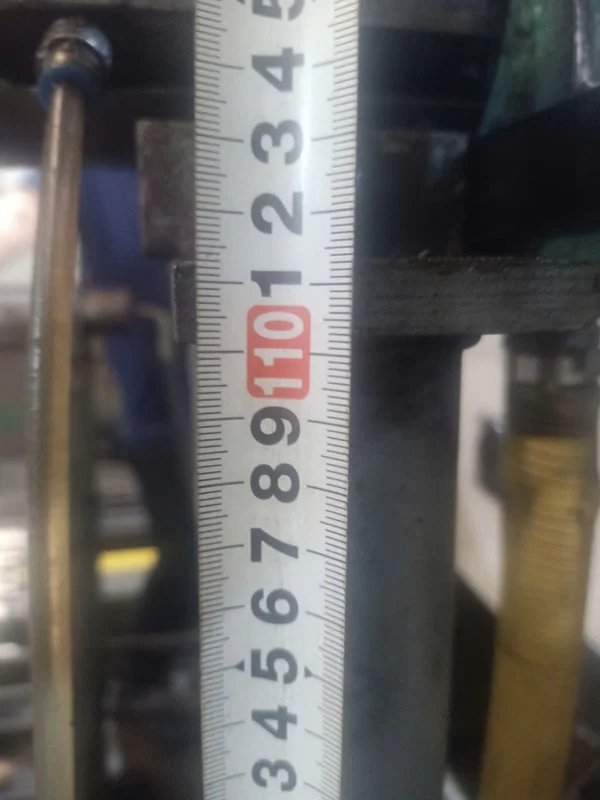
From actual on-site inspection images, the technician can be seen measuring the piston rod diameter, installation height, mounting distance, and recording the condition of hydraulic oil leaking onto the machine floor. This is an important step to identify the correct cause before repair.
Signs that a hydraulic cylinder needs inspection
Common visible signs
Why should it be handled early?
If the machine continues operating while oil is leaking, the system may suffer pressure loss, excessive hydraulic oil consumption, contamination in the production area, and increased risk of damage spreading to other components.
In particular, oil leaking onto the floor not only affects cleanliness but can also create a slipping hazard for operators, while making machine maintenance harder to control.
Common causes of hydraulic cylinder oil leakage
Worn or hardened seals
After long-term operation, seals are exposed to pressure, friction, and high temperature, which can cause aging, cracking, wear, or loss of sealing performance.
Scratched or pitted cylinder rod surface
When the rod surface is scratched, the seal can be damaged quickly, causing oil to leak during cylinder operation.
Worn guide bushings
Worn guide bushings can cause rod misalignment, uneven friction, faster seal damage, and repeated oil leakage problems.
Misaligned installation or incorrect mounting position
If the cylinder is installed off-center, the applied force will not follow the correct axis, causing the rod, bushings, and seals to wear out quickly. Therefore, measuring the mounting assembly is an essential step.
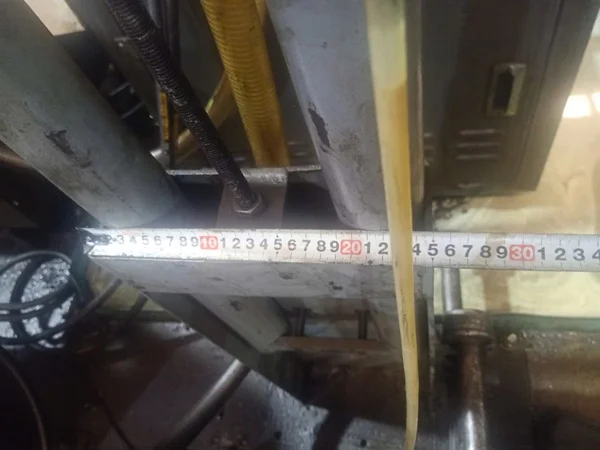
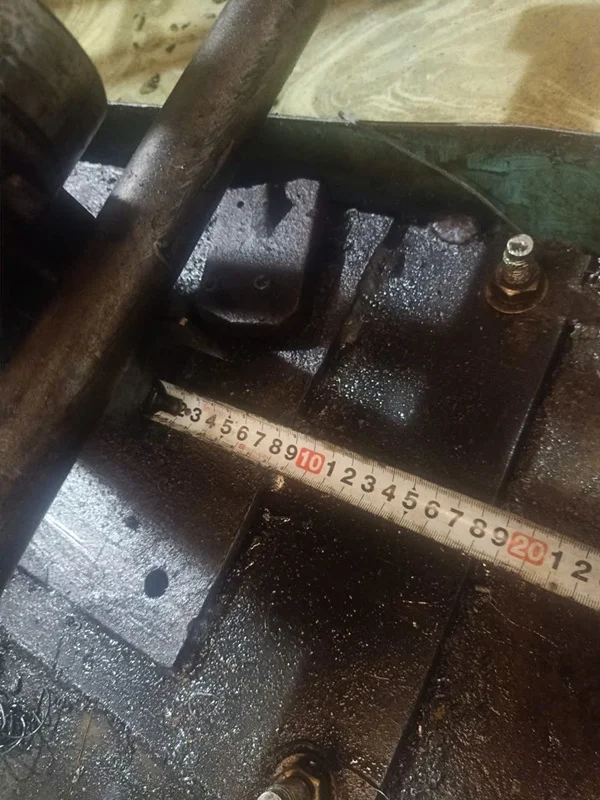
Why is measurement required before repairing a hydraulic cylinder?
Not every case can be solved by replacing the seals only. For cylinders that have operated for many years, the actual dimensions and condition must be carefully checked before deciding on the repair method.
The parameters commonly inspected include piston rod diameter, cylinder body outer diameter, overall length, stroke length, mounting hole center distance, mounting lug size, mounting pins, bushings, and the cylinder installation position on the machine.
Measurement helps determine whether the cylinder requires seal replacement, piston rod restoration, guide bushing machining, cylinder head repair, or remanufacturing of mounting components.
Parameters that should be recorded
- Cylinder piston rod diameter.
- Outer diameter/cylinder body diameter.
- Overall length and working stroke.
- Mounting hole center distance, mounting lugs, and mounting pins.
- Cylinder installation position on the machine.
- Oil leakage condition, contamination level, and leakage points.
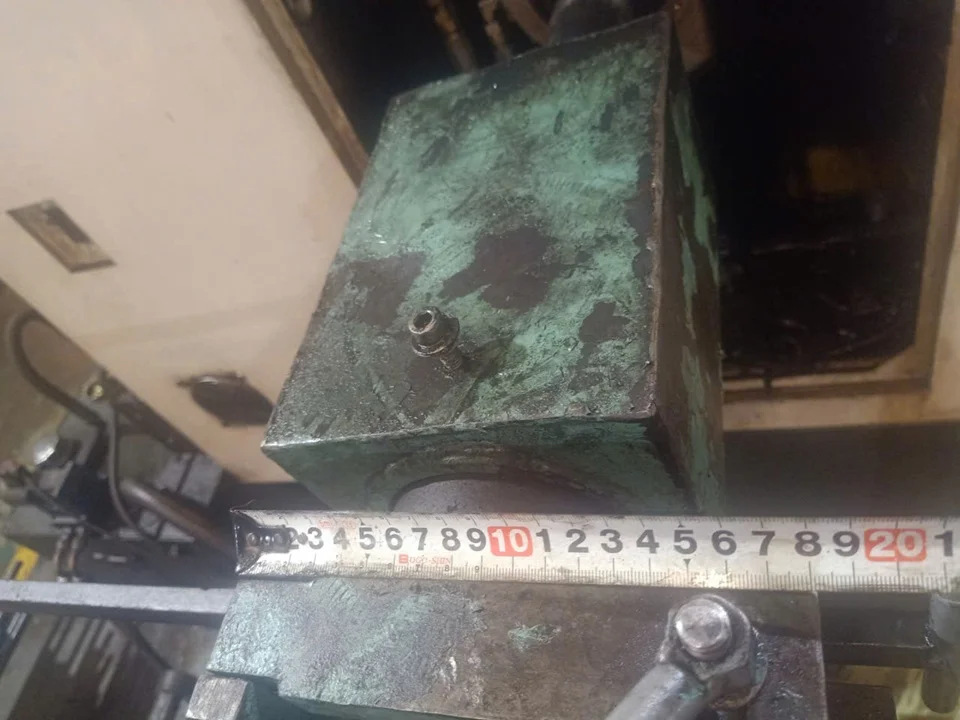
Service items performed by VietSonic
Oil leakage inspection
Identify the leakage point: rod end, end cap, cylinder body, fittings, oil hoses, or sealing area.
Hydraulic cylinder disassembly and inspection
Evaluate the condition of seals, guide bushings, piston rod, cylinder barrel, threads, connectors, and related components.
Hydraulic cylinder seal replacement
Replace the seal set according to the cylinder size, working pressure, and operating conditions.
Hydraulic piston rod restoration
Handle scratched, pitted, worn, or slightly bent rods depending on the actual condition of the equipment.
Machining of bushings, pins, and mounting lugs
When the mounting assembly is worn, misaligned, or no spare parts are available, it can be measured, drawn, and machined according to the existing condition.
Installation, alignment, and test run
After repair, the cylinder must be installed in the correct position and checked for sealing performance, stability, and pressure-holding capability during operation.
Hydraulic cylinder repair process
Information intake
Collect images, videos, and descriptions of oil leakage, external leakage, or weak machine force.
On-machine inspection
Check the leakage position, measure the cylinder dimensions, and inspect the related mounting assembly.
Repair method proposal
Determine whether the cylinder requires seal replacement, rod restoration, bushing machining, or mounting assembly repair.
Machining and repair
Restore or replace components according to the actual measured dimensions.
Installation and test run
Check sealing performance, operating stability, pressure-holding capability, and hand over the equipment.
Benefits of proper technical repair
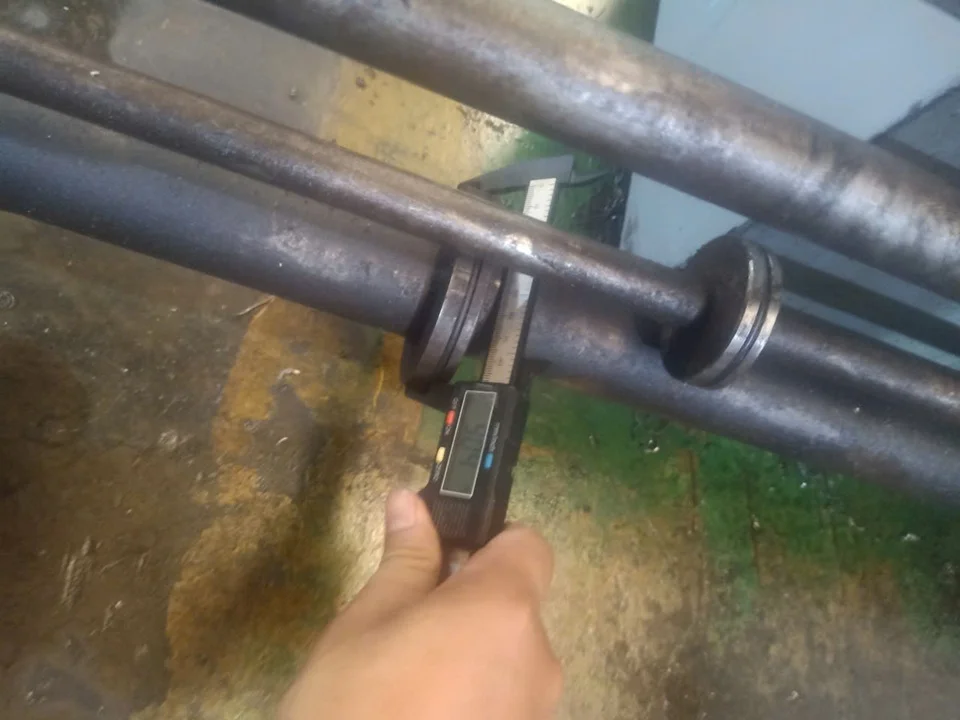
VietSonic provides hydraulic cylinder repair for industrial machinery
If your equipment shows signs of oil leaking onto the floor, weak cylinder operation, oil leakage at the rod end, or pressure loss during operation, contact VietSonic for advice on a suitable inspection and repair solution.
Cylinder seal replacement
Piston rod restoration
Oil leakage repair
Contact information
Vietnam Ultrasonic Equipment Co., Ltd.
Phone: 0938 49 33 66 – Mr. Hải
Email: info.vietsonic@gmail.com
Website: https://vietsonic.vn