



'%3E%3Cpath%20stroke='%23000'%20stroke-width='4'%20d='m-35-37-13%2020m5%203%2013-20m5%203-13%2020m63%2042%206-9m1-2%206-9m5%203-6%209m-1%202-6%209m5%203%206-9m1-2%206-9m-96%200%2013%2020m5-3-6-9m-1-2-6-9m5-3%2013%2020m63-42-6-9m-1-2-6-9m5-3%2013%2020m5-3-6-9m-1-2-6-9'/%3E%3Ccircle%20r='24'%20fill='%23cd2e3a'/%3E%3Cpath%20fill='%230047a0'%20d='M0%200a12%2012%200%201%201%2020%2013%2024%2024%200%201%201-40-26A12%2012%200%201%200%200%200'/%3E%3C/g%3E%3C/svg%3E)

Hot Plate Plastic Welding Machine Manufacturing for Engineering Plastic Products
VietSonic provides consulting, design, and manufacturing of hot plate plastic welding machines for thermoplastic products that require strong, sealed, stable welds and suitability for repetitive production.
Custom Fixtures
Optional PLC/HMI
Trial Run Before Handover
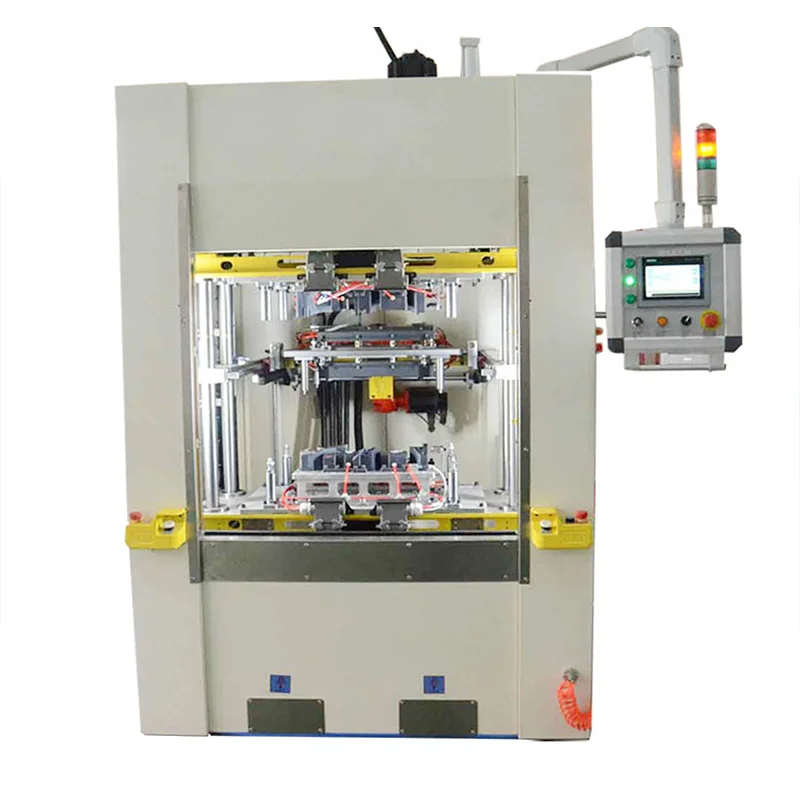
What Is Hot Plate Plastic Welding?
Hot Plate Plastic Welding is a method that uses a temperature-controlled heated plate to soften or melt the contact surfaces of two plastic parts. Once the proper welding condition is reached, the heated plate is withdrawn and the two parts are pressed together until cooled, creating a durable bond along the weld line.
This method is especially suitable for plastic parts with large welding areas, requirements for water tightness, air tightness, load-bearing strength, or high stability in mass production. For products where ultrasonic welding has difficulty transmitting energy evenly across the entire weld line, hot plate welding is a technical option worth considering.
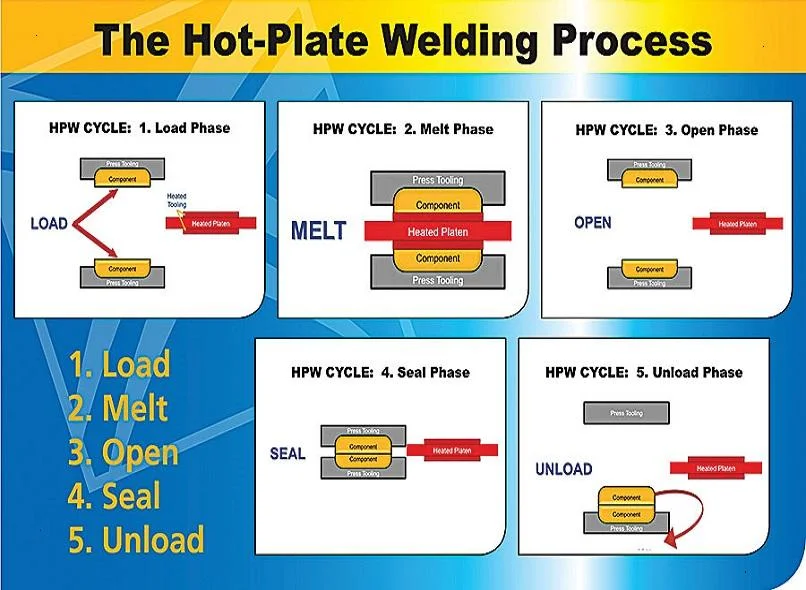
Strong and Sealed Welds
The machine is designed to control temperature, heating time, pressing force, and cooling time, helping the weld line remain more stable across production cycles.
Suitable for Large Parts
Hot plate technology offers advantages for plastic parts with long weld lines, wide welding surfaces, or shapes that are difficult to weld effectively using ultrasonic welding.
Manufactured Based on Real Products
Each machine is developed based on the part sample, plastic material, productivity requirements, sealing standards, and operating conditions at the production workshop.
When Should You Use a Hot Plate Plastic Welding Machine?
Not every plastic product requires hot plate welding. This technology is most suitable when the part has clear technical requirements for sealing performance, strength, or a large weld area.
- Plastic parts that require water-tight, air-tight, or leak-resistant welds.
- Products with large dimensions, long weld lines, or wide welding cross-sections.
- Plastic materials such as PP, PE, ABS, PC, PA, or other weldable thermoplastics.
- Products that require repetitive production with stable weld quality.
- Applications that need to replace glue, screws, solvents, or traditional mechanical joining methods.
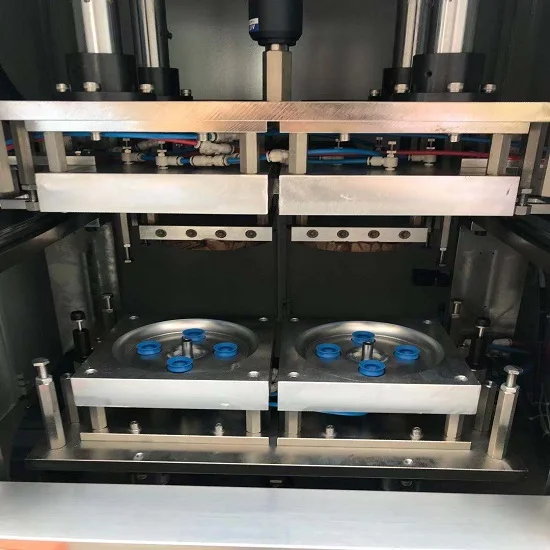
Scope of Hot Plate Plastic Welding Machine Manufacturing Services
VietSonic does not only fabricate the machine frame, but approaches the project as a complete plastic welding system: from product analysis, fixture design, pressing mechanism, heated plate, electrical control, to welding process trial runs.
Mechanical Machine Design
Designing the machine frame, guide assemblies, pressing mechanism, sliding table, product fixtures, and protective structure to match the part dimensions.
Heated Plate Design
Calculating heating zones, arranging heating elements, temperature sensors, contact surfaces, and anti-stick solutions based on the plastic material.
Product Fixture Fabrication
Manufacturing fixtures to position the two halves of the product, ensuring the weld line is correctly aligned, reducing edge misalignment, and maintaining stability during pressing.
Electrical Control Cabinet
Integrating PLC, HMI, temperature controllers, stroke sensors, pneumatic valves, or servo systems depending on operating requirements.
Welding Parameter Setup
Supporting the determination of temperature, heating time, transfer time, pressing force, holding time, and cooling time.
Trial Run and Handover
Checking the machine cycle, weld stability, repeatability, and providing operating instructions before handover to the production workshop.
Working Process for Machine Manufacturing
Receiving Product Samples
Recording the plastic material, part dimensions, weld line position, sealing requirements, strength requirements, and desired productivity.
Analyzing the Welding Solution
Evaluating hot plate welding feasibility, determining the pressing method, heated plate type, positioning solution, and flash risks at the weld line.
Designing the Machine and Fixtures
Developing the machine concept, arranging the pressing mechanism, heated plate, fixtures, sensors, safety buttons, and operating interface.
Fabrication, Assembly, and Programming
Fabricating the machine frame, mechanical assemblies, electrical cabinet, PLC/HMI programming, and checking each module before trial operation.
Trial Run with Real Samples
Fine-tuning welding parameters, evaluating weld appearance, sealing performance, strength, and stability across multiple cycles.
Specifications to Define Before Machine Design
| Information Group | Details to Define | Technical Significance |
|---|---|---|
| Plastic material | PP, PE, ABS, PC, PA, or a specific plastic type | Affects welding temperature, heating time, and bonding capability. |
| Product dimensions | Length, width, height, wall thickness, and weld line geometry | Determines machine size, pressing stroke, heated plate size, and fixture design. |
| Weld requirements | Water tightness, air tightness, load-bearing strength, appearance, and flash limits | Provides the basis for weld line design, flash traps, and appropriate pressing force. |
| Productivity | Products per hour, shifts per day, and automation level | Determines whether the machine should be semi-automatic, automatic, rotary-table, or multi-station. |
| Operating conditions | Power supply, compressed air, installation space, and safety standards | Helps design a machine that fits the workshop infrastructure and operator workflow. |
Key Points in Hot Plate Plastic Welding Machine Design
It Is Not Just About Heating Plastic
An effective hot plate welding machine must simultaneously control multiple factors: heated plate surface temperature, flatness of the welding area, contact time, heated plate withdrawal speed, welding pressure, and holding time after pressing.
Fixtures Determine Repeatability
If the fixture does not position the parts securely, the parts may shift during pressing, causing uneven weld lines or uncontrolled flash. Therefore, the fixture must be designed specifically based on the actual product shape.
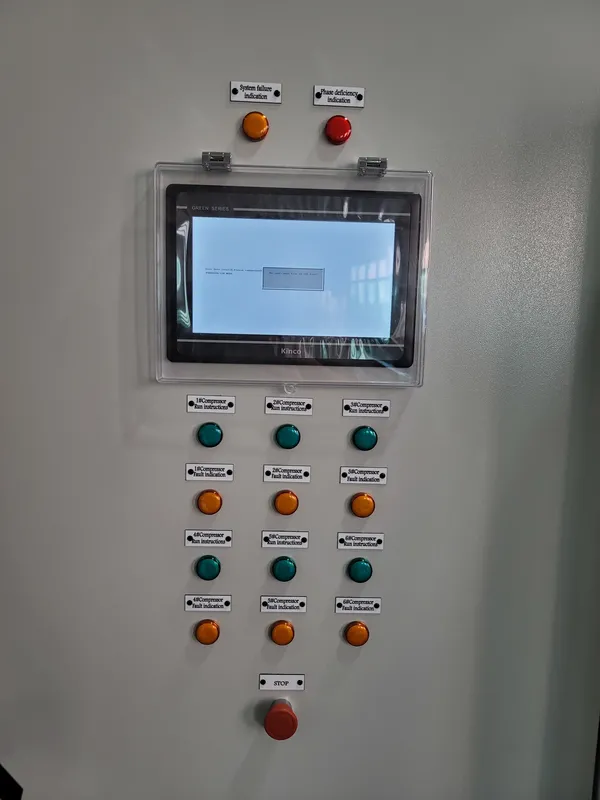
The Control System Can Be Customized to Production Needs
Depending on the automation level, the machine can be designed with a basic control system or upgraded to PLC/HMI for easier setup, monitoring, and parameter management.
- Set heated plate temperature for each product type.
- Set heating time, transfer time, and pressing time.
- Display machine cycle status and error alarms.
- Save welding recipes for multiple product codes.
- Integrate safety sensors, guards, and emergency stop buttons.
Applications of Hot Plate Plastic Welding Machines in Industrial Production
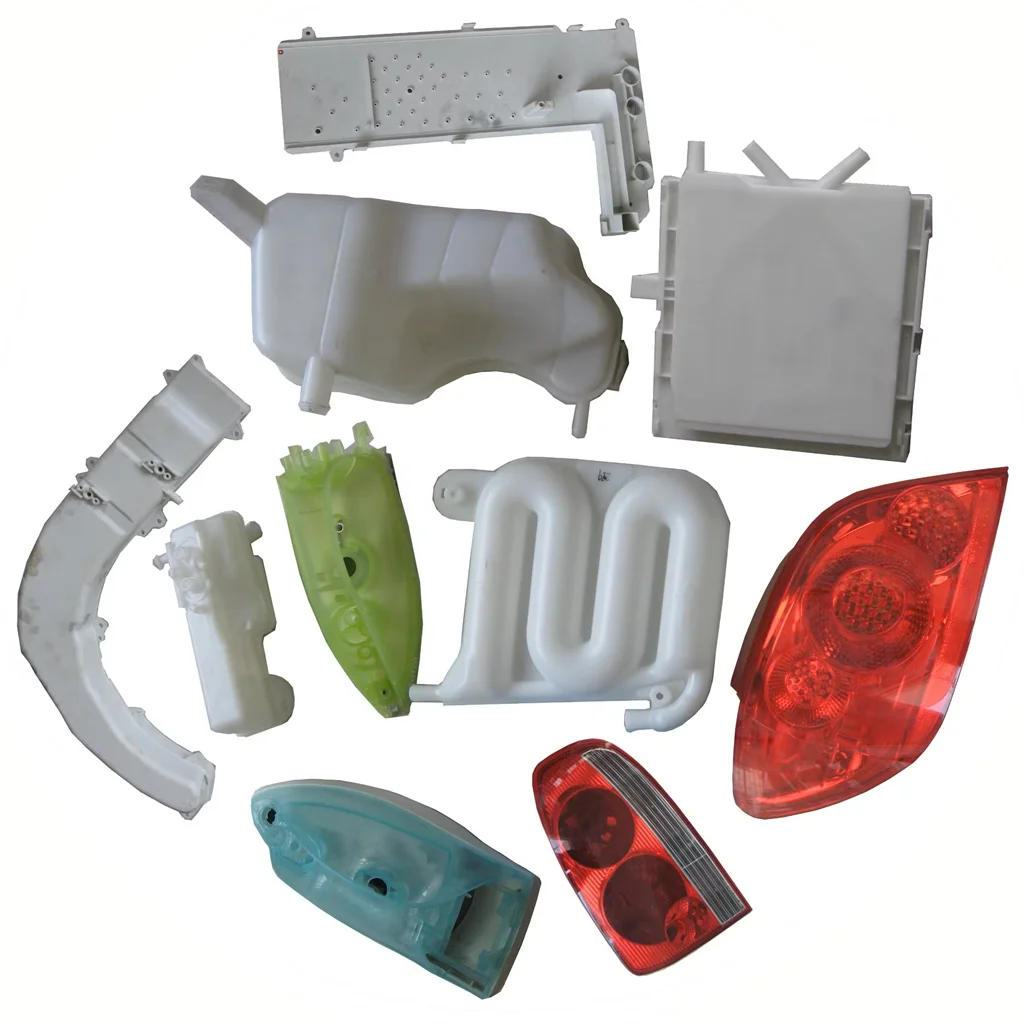
Hot plate plastic welding technology is suitable for many groups of engineering plastic products, especially large-sized parts with complex shapes that require strong, sealed, and stable welds in repetitive production.
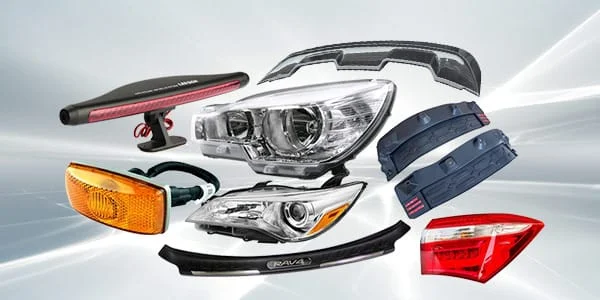
Automotive Exterior Components
Used for lamp assemblies, decorative trims, plastic covers, reflectors, and exterior plastic assemblies that require stable, strong welds with high appearance requirements.
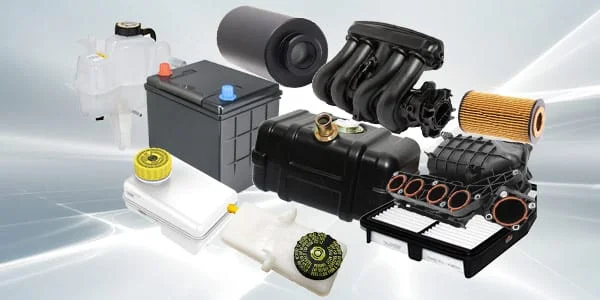
Automotive Functional Parts
Suitable for auxiliary tanks, filter housings, air ducts, air-flow assemblies, plastic reservoirs, and under-hood components that require water tightness, air tightness, or durability under repeated operating conditions.
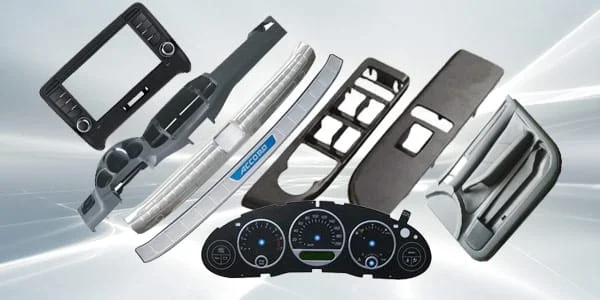
Automotive Interior Components
Can be applied to dashboard assemblies, control panels, decorative trims, interior plastic assemblies, and parts that require strong, aesthetic joining while reducing the use of screws or adhesives.
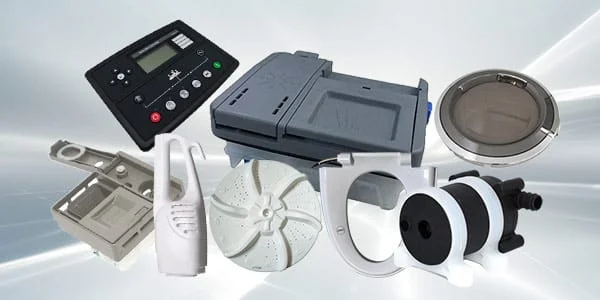
Plastic Parts for Household Appliances
Used for plastic housings, machine covers, trays, plastic assemblies for washing machines, vacuum cleaners, household electrical appliances, and products that require sealed joining after plastic injection molding.
How Is Hot Plate Welding Different from Ultrasonic Plastic Welding?
Both are thermoplastic welding technologies, but their heat generation mechanisms and application ranges are different. The choice of technology should be based on the actual product, plastic material, weld line geometry, and production requirements.
| Criteria | Hot Plate Plastic Welding | Ultrasonic Plastic Welding |
|---|---|---|
| Mechanism | Uses a heated plate to melt the plastic surfaces before pressing them together. | Uses ultrasonic vibration to generate localized heat at the contact area. |
| Strengths | Large parts, long weld lines, and requirements for sealed and strong joints. | Fast cycle time, suitable for small to medium-sized parts and high-speed production. |
| Weld line design | Requires control of contact surfaces, flash, and flatness of the welding area. | Requires energy director design and ultrasonic energy concentration points. |
| Cycle time | Usually slower because heating and cooling are required. | Usually faster, often measured in seconds for many suitable products. |
Technical suggestion: for small, thin-walled plastic products requiring high speed, ultrasonic welding may be considered. For large products with long weld lines, sealing requirements, or uneven ultrasonic energy transmission, hot plate welding should be evaluated.
Why Choose Custom Machine Manufacturing Instead of Buying a Standard Machine?
Standard machines may be suitable for certain common applications, but in engineering plastic production, each product often has different shapes, materials, weld lines, and inspection requirements. Custom machine manufacturing helps businesses optimize the solution for the exact product being produced.
- Fixtures closely match the actual product shape.
- The heated plate size fits the welding area without excessive oversizing.
- The machine cycle is configured according to the desired productivity.
- Additional sensors, rotary tables, conveyors, or feeding mechanisms can be integrated more easily.
- The operating interface can be designed according to the habits of workshop operators.
Information to Prepare When Sending a Request
- Photos or actual samples of the product to be welded.
- 2D/3D drawings, if available.
- Plastic type and material specifications.
- Requirements for sealing performance, strength, and weld appearance.
- Desired output per hour or per shift.
- Installation space, available power supply, and compressed air.
Need a Hot Plate Plastic Welding Machine for Your Plastic Product?
Send product samples, photos, or drawings so VietSonic can evaluate the welding solution, machine type, fixture design, and automation level suitable for your production line.
Contact Information
Vietnam Ultrasonic Equipment Co., Ltd.
Phone: 0938 49 33 66 – Mr. Hai
Email: info.vietsonic@gmail.com
Website: vietsonic.vn