



220V Electrical Risks in Kombucha Filling & 24VDC Fix
1. Common status of Kombucha filling machines after long-term operation
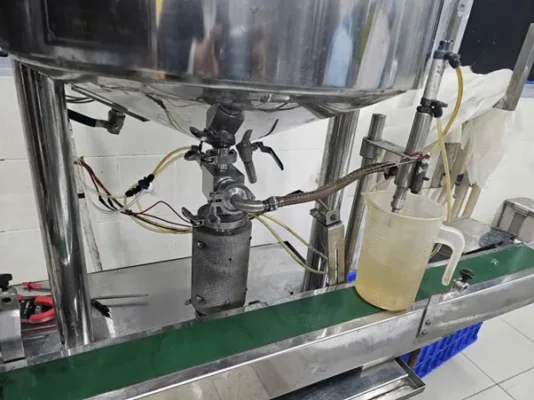
In many small and medium Kombucha factories, the filling machines are still using 220V solenoid valves, old electrical cabinets, tangled wiring, and are placed in environments with frequent moisture, washing water, compressed air pipes, tanks, and stainless steel filling clusters.
On the outside, the machine may still be running. But inside, it harbors many risks: flickering, inaccurate dosing, unstable valve opening and closing, and electrical safety hazards for operators.
2. Degraded electrical cabinets increase the risk of electrical safety hazards
Kombucha filling machines are often placed near storage tanks, filling nozzles, conveyors, air pipes, and cleaning areas. This is not an ideal environment for 220V electrical equipment if the electrical cabinets, wiring, and solenoid valves are not well protected.
For food machinery, especially fermented beverages like Kombucha, electrical safety factors need to be inspected more seriously because operators frequently come into close contact with the machine during filling and cleaning.
3. Common risks
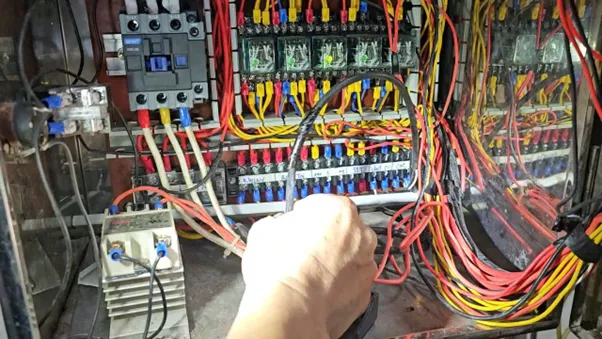
One of the most visible signs of a degraded filling machine is a messy electrical cabinet, overlapping wiring, lack of markings, missing terminals, or signs of temporary connections.
These errors can lead to:
- Machine runs intermittently.
- Flickering push buttons.
- Solenoid valves not opening and closing at the right time.
- Difficult to inspect when the machine breaks down.
- Increased risk of unsafety when the electrical cabinet is placed in a humid environment.
For factory owners, just opening the electrical cabinet and seeing tangled wires, old equipment, and insecure connectors means they should have it checked immediately, rather than waiting until the machine stops mid-production shift.
4. What are the potential risks of 220V solenoid valves in humid environments?

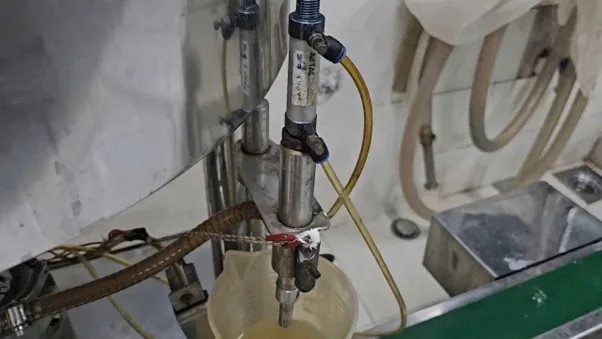
Solenoid valves are the components that control compressed air to open/close the filling mechanism. If the valve operates unstably, the machine may fill more or less at times, causing underfilled or overfilled bottles, or stop unexpectedly.
A more concerning issue is that many old machines still use 220V solenoid valves. When these valves are placed near areas with moisture, cleaning water, air pipes, or stainless steel surfaces, the electrical risk is higher.
In reality, many factory owners only pay attention to the “uneven filling” error, but ignore the deeper cause: the control electrical system has degraded and is no longer safe.
5. How does the Kombucha production environment affect the electrical system?
Kombucha factories frequently have activities such as tank washing, floor cleaning, pipe cleaning, and rinsing of the filling clusters. This makes the area around the machine prone to moisture or water splashes.
If the wires, solenoid valves, switches, or electrical cabinets are not sealed, neat, and maintained, the risk of unsafety will increase.
Especially, minor faults like exposed wires, loose connectors, old solenoid valves, and damp electrical cabinets may not cause an immediate breakdown, but will accumulate risks over time.
6. Should the control system be switched from 220V to 24VDC?
A solution worth considering is switching the solenoid valve control system from 220V to 24VDC.
Benefits of a 24VDC control system:
- Safer for operators.
- More suitable for humid environments.
- Easier to integrate with sensors, PLCs, and dedicated controllers.
- Reduces risks when valves, wires, or connectors are degraded.
- Helps the control system be more stable and easier to maintain.
However, switching to 24VDC should not be done by replacing individual valves piecemeal. It is necessary to synchronously check the 24VDC power supply, relays, control wires, electrical cabinets, pneumatic valves, and controllers.
7. Items that should be handled early to reduce risks
Factory owners should re-check the filling machine’s electrical system if they encounter the following signs:
- Machine fills inaccurate doses.
- Solenoid valves open and close unevenly.
- Electrical cabinet with tangled, temporarily connected wires.
- Push buttons and switches damaged or flickering.
- Machine placed near humid areas, prone to water splashes.
- Solenoid valves currently using 220V power.
- Machine frequently stops unexpectedly.
- Operators have to adjust manually many times during a production shift.
These are signs indicating that the machine not only needs operational bug fixes but also a reassessment of electrical safety and control stability.

8. Suitable solutions for renovating Kombucha tea filling systems
Suitable solutions for old Kombucha filling machines usually include:
- Re-checking the entire electrical cabinet.
- Replacing push buttons, switches, relays, or damaged equipment.
- Rewiring neatly, crimping terminals, and numbering wires.
- Checking solenoid valves and pneumatic lines.
- Switching 220V solenoid valves to 24VDC if appropriate.
- Using dedicated controllers instead of patchy manual controls.
- Scheduling regular maintenance for electrical cabinets, pneumatic valves, and filling clusters.
The goal is not just to make the machine “run again”, but to make the machine safer, more stable, and reduce filling errors in production.
Conclusion
Kombucha filling machines using 220V electricity are not always dangerous, but if the machine is old, the electrical cabinet is messy, 220V solenoid valves are placed near humid areas, the wiring is unsafe, and the machine frequently fills unstably, factory owners should not be subjective.
If your Kombucha filling machine shows signs of inconsistent filling, flickering solenoid valves, degraded electrical cabinets, or is still using 220V valves in a humid environment, please re-check early before a breakdown occurs.
Contact *VietSonic* right away
If your kombucha factory has electrical risk issues.
- Phone: 0938 49 33 66 (Mr. Hai)
- Email: info.vietsonic@gmail.com
- Website: https://vietsonic.vn