



EO gas leakage in Ethylene Oxide sterilizers: dangerous warning signs that require immediate inspection
EO gas sterilizers – Ethylene Oxide Sterilizers are commonly used to sterilize supplies, instruments, components, or products that are sensitive to high temperatures. This is an effective sterilization technology, but the system must operate in a sealed, stable, and strictly controlled safety condition.
Among common failures, EO gas leakage is one of the most dangerous issues. If not detected and handled promptly, this problem can affect operators, sterilization quality, the working environment, and the entire production process.
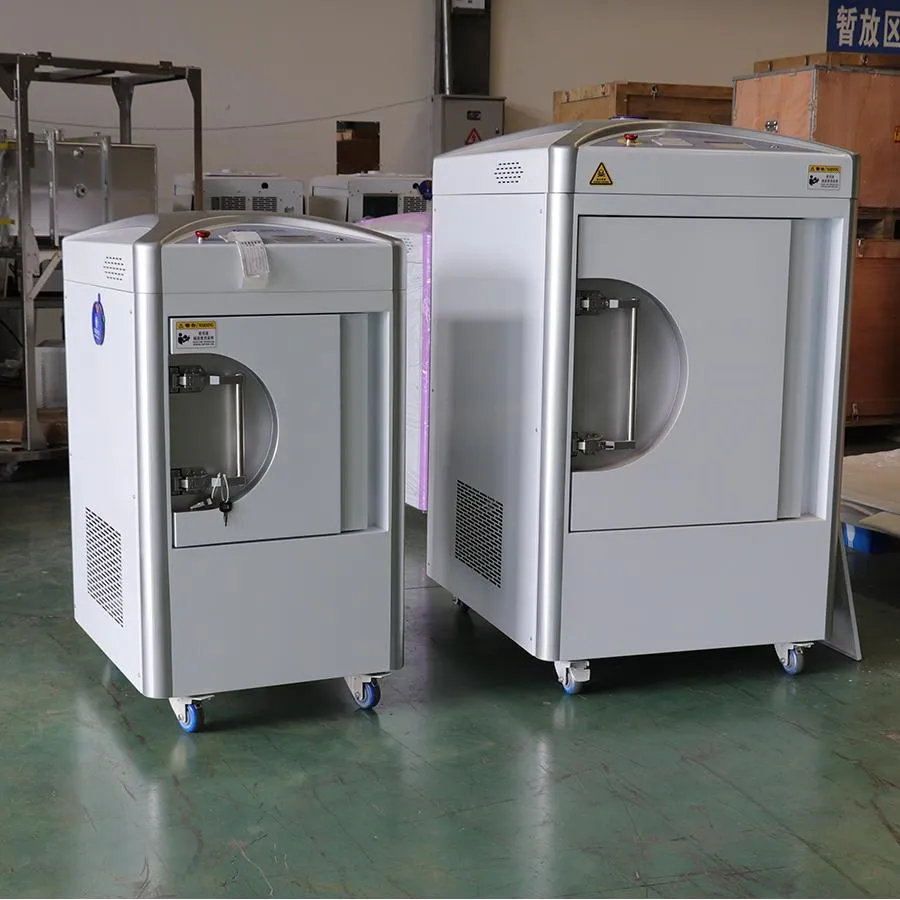
What is EO gas leakage?
EO gas leakage occurs when Ethylene Oxide gas escapes outside the controlled area instead of being contained inside the sterilization chamber, piping, valves, gas supply system, or exhaust system.
This issue may occur during different stages:
- When the machine starts vacuuming.
- When EO gas is supplied into the sterilization chamber.
- During the gas holding period for sterilization.
- When gas is discharged after the cycle.
- When the chamber door is opened after the cycle ends.
- When the aeration or ventilation system does not work effectively.
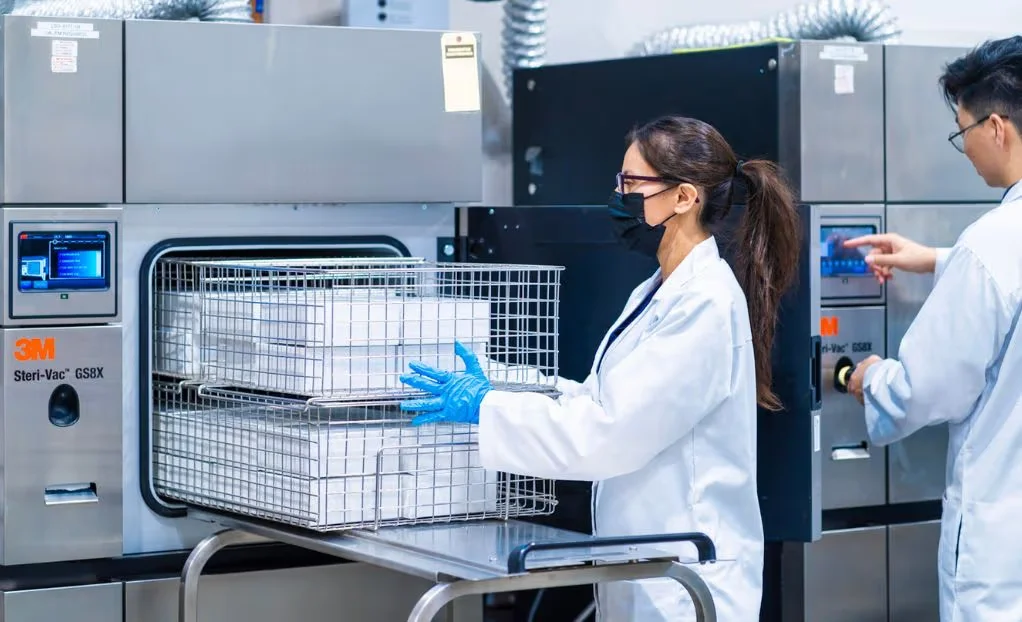
Signs that an EO sterilizer may be leaking gas
Businesses should pay attention if the machine shows one or more of the following signs. These symptoms should not be ignored, especially when the machine has been in operation for a long time or has recently developed issues after maintenance, parts replacement, or relocation.
Some systems are equipped with EO gas sensors or detectors. When the gas concentration exceeds the warning threshold, the machine or monitoring system will trigger an alarm.
An abnormal smell around the machine, chamber door, exhaust piping, or cartridge/gas cylinder area may be a sign that inspection is needed.
If personnel often feel uncomfortable when standing near the machine, especially after a cycle or when opening the chamber door, it is necessary to consider the possibility that EO gas has not been fully discharged.
Door gaskets, valves, piping, or the sterilization chamber may have leaks, causing the machine to fail to maintain stable vacuum/pressure.
When the machine cannot maintain vacuum, common symptoms include:
- Longer vacuuming time.
- The machine reports a vacuum leak error.
- The cycle stops midway.
- Abnormal pressure drop.
- The machine does not allow the cycle to start.
5. Unstable sterilization results
EO gas leakage is not only a safety issue, but also directly affects sterilization quality. If the gas is not maintained at the required concentration and contact time, products may fail to meet requirements even though the machine completes the full cycle.

Common locations that cause EO gas leakage
Based on practical inspection and maintenance of gas sterilizers, gas leakage is often related to the following areas:
Sterilization chamber door gasket
The door gasket is a component that can easily deteriorate after long-term operation. A hardened, deformed, cracked, dirty, or misaligned gasket can prevent the chamber door from sealing properly.
Door lock assembly and door pressing mechanism
If the door lock, hinge, or door pressing mechanism is misaligned, the chamber door may appear closed but still fail to achieve the required sealing level. This issue is often overlooked because the door may look properly closed from the outside.
EO gas supply valve
A stuck, worn, improperly closed, or incorrectly controlled gas supply valve can cause leakage during the gas injection stage or after the cycle has ended.
Piping, elbows, and gas connectors
Pipe joints, fittings, check valves, and cartridge/gas cylinder connectors are points that require periodic inspection. Small leaks in these areas may not cause immediate machine errors but still present significant risks.
Gas exhaust and ventilation system
An EO sterilizer does not only need a sealed chamber; it also needs a properly functioning gas exhaust and treatment system. If the exhaust fan is weak, the exhaust pipe is clogged, the exhaust valve fails, or the waste gas treatment system is ineffective, EO gas may remain in the chamber or spread into the working area.
EO gas sensors and monitoring system
Miscalibrated sensors, expired calibration, or improper sensor placement can cause inaccurate alarms. This is dangerous because operators may assume the area is safe while EO gas is still present.
Why should the machine not continue operating when EO gas leakage is suspected?
A small gas leak at the beginning can develop into a serious incident if the machine continues to run multiple cycles. In addition to health risks for operators, gas leakage also reduces the reliability of the sterilization process.
When the machine can no longer ensure proper sealing, parameters such as EO concentration, pressure, contact time, and gas exhaust efficiency may all be affected. This exposes businesses to risks related to product quality, operation records, and factory safety.
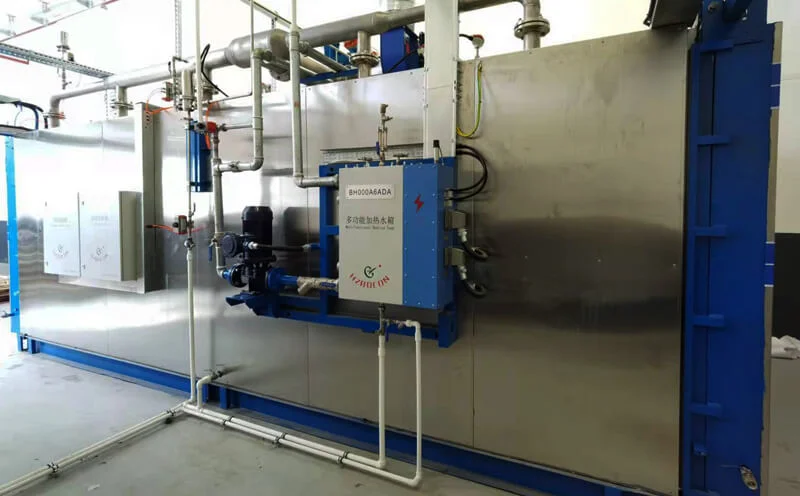
How does VietSonic inspect and handle EO gas leakage?
VietSonic provides inspection, repair, and maintenance services for EO gas sterilizers for factories, production workshops, medical units, cleanrooms, and businesses using gas sterilization systems.
Depending on the actual condition of the machine, technicians will inspect the main items below:
After inspection, VietSonic will identify the cause of the gas leak and recommend a suitable solution: replacing the gasket, aligning the door, repairing valves, fixing piping issues, inspecting the vacuum pump, calibrating sensors, or maintaining the gas exhaust system according to the actual condition of the equipment.
When should businesses call a technician to inspect an EO sterilizer?
Businesses should request an inspection if they encounter the following cases:
- The machine reports gas leak, pressure, or vacuum errors.
- There is an unusual chemical odor around the machine.
- Personnel feel uncomfortable when standing near the machine after a cycle.
- The machine takes too long to create vacuum.
- The sterilization cycle frequently stops midway.
- Biological indicator/chemical indicator results are unstable.
- The machine has been operating for a long time without periodic maintenance.
- Door gaskets, valves, or piping show signs of deterioration.
- The gas exhaust or aeration system operates weakly.
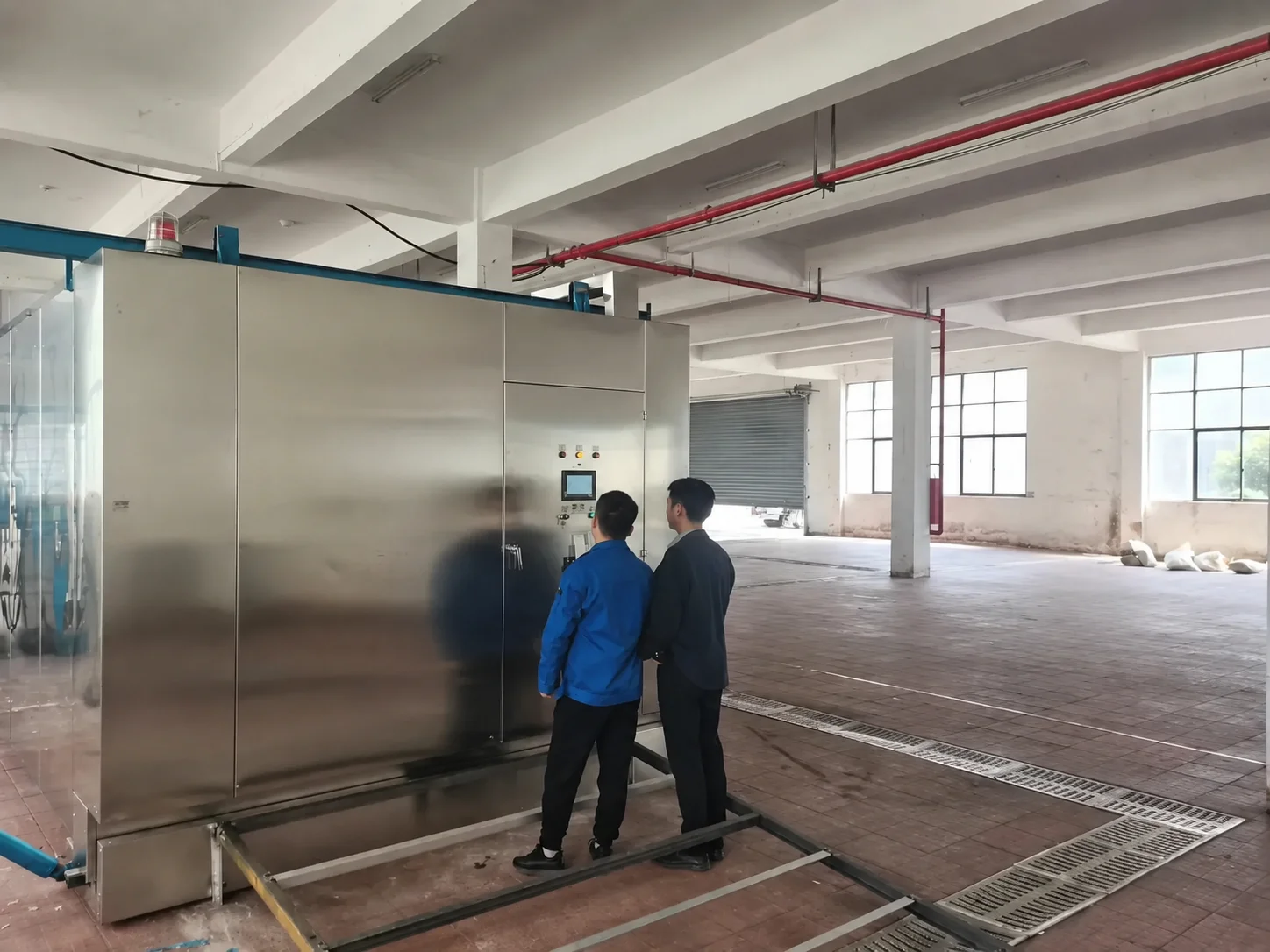
EO sterilizer repair and maintenance service at VietSonic
EO gas leakage is not a problem that should be handled temporarily or left for continued operation to “monitor further.” With gas sterilization equipment, identifying the correct cause helps businesses reduce safety risks, limit extended downtime, and maintain more stable sterilization quality.
If your company’s EO sterilizer is showing signs of gas leakage, vacuum errors, pressure errors, exhaust errors, or unstable operation, contact VietSonic for inspection and repair consultation.
Phone
0938 49 33 66 – Mr. Hai
info.vietsonic@gmail.com
Website
vietsonic.vn
Vietnam Ultrasonic Equipment Co., Ltd.