



Cleaning and maintenance services for industrial paper slitting and cutting machines
VietSonic supports periodic cleaning, inspection, and maintenance for paper slitting machines, paper cutting machines, roller assemblies, working surfaces, drive areas, and control compartments. The goal is to help equipment operate cleaner, more stably, and with fewer deviations during the cutting and slitting process.
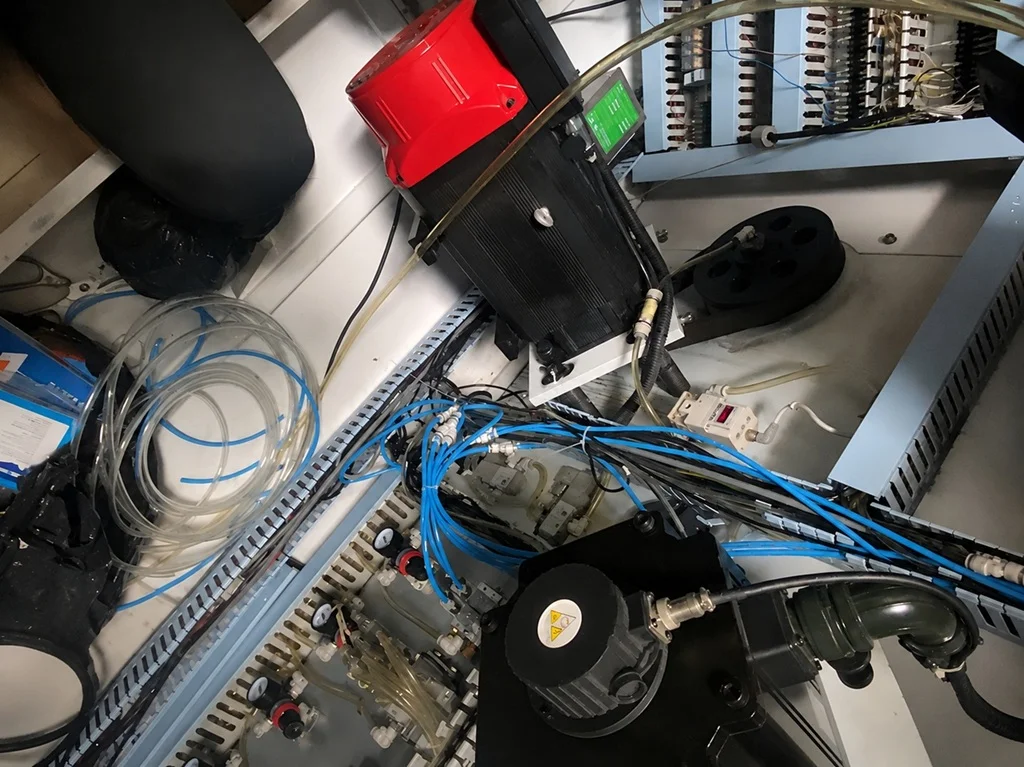
Cleaning rollers and working surfaces
Removing paper dust, paper particles, and residue from surfaces that come into contact with materials to help reduce slipping, misalignment, and dimensional errors during machine operation.
Inspecting the control area
Checking the machine compartment, wiring, air tubes, terminals, and PLC cabinet to identify dust buildup or areas that require periodic cleaning.
Inspecting the drive assemblies
Assessing the condition of moving assemblies such as motors, pulleys, belts, and exposed working positions to support more stable machine operation.
Why do paper slitting and cutting machines need periodic cleaning?
In paper, packaging, label, or roll-material production workshops, paper slitting and cutting machines often operate continuously at high speed. After each production shift or after a period of use, paper dust and paper particles can accumulate on rollers, working surfaces, bearing assemblies, machine gaps, and control cabinet areas.
At first, this layer of dust may only make the machine harder to inspect or reduce the cleanliness of the equipment. However, when dust accumulates over time, the machine may develop issues such as uneven material feeding, unstable cutting lines, heavier operation of rotating assemblies, or the need to stop the machine for recalibration.
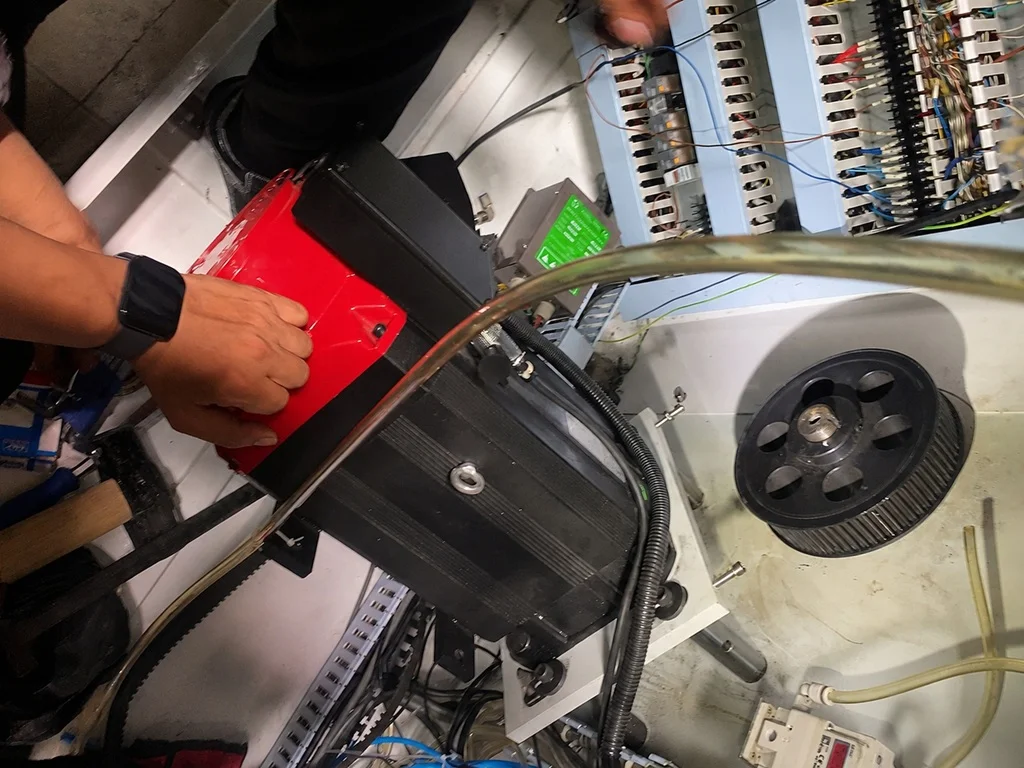
Signs that the machine needs cleaning and maintenance
A paper slitting or cutting machine should be inspected when rollers are heavily covered with dust, materials do not run evenly, cutting lines are no longer stable, slight noise appears around bearing positions, or the machine compartment and control area begin to accumulate dust after a period of operation.
- Rollers or working surfaces are heavily covered with paper dust, paper particles, or dirt.
- Materials run unevenly, easily shift at the edges, or require more frequent adjustment.
- The PLC cabinet, wiring, air tubes, or machine compartment contains a large amount of dust after a production cycle.
- Drive components or exposed working positions show signs of dryness, dirt buildup, or require further inspection.
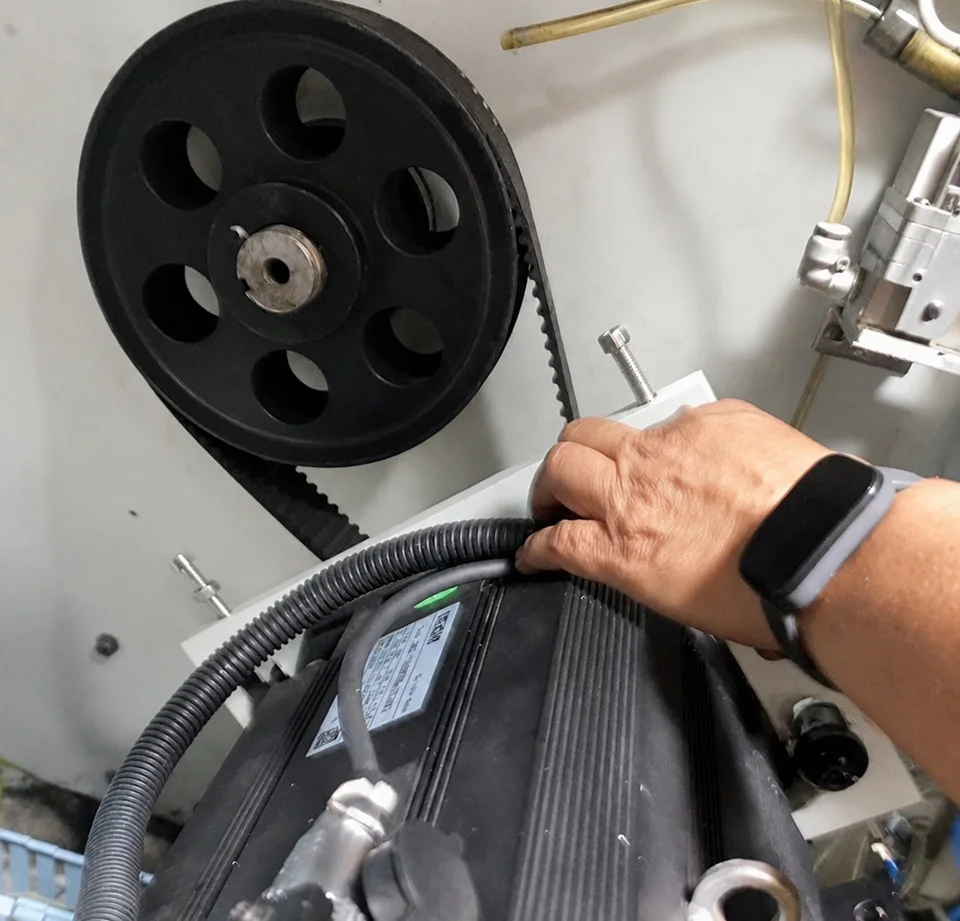
Cleaning and maintenance process at VietSonic
VietSonic approaches maintenance by inspecting the right positions, cleaning the right areas, and reassessing the operating condition after completion. The main focus is to clean rollers, working surfaces, machine compartments, and control areas while observing assemblies that may directly affect cutting quality and equipment stability.
Maintenance focus
Removing paper dust, inspecting the machine compartment, checking the control cabinet area, monitoring drive assemblies, and identifying early abnormal signs that may affect production.
Current condition assessment
Inspecting rollers, working surfaces, wiring, air tubes, machine compartments, and control areas to determine the positions that need cleaning.
Surface cleaning
Removing paper dust and dirt from surfaces that come into contact with materials and from areas where dust easily accumulates during machine operation.
Machine compartment cleaning
Checking drive areas, exposed working positions, and technical corners that require periodic cleaning.
Control area inspection
Inspecting the PLC cabinet, terminals, signal wiring, and related components to support more stable equipment operation.
Post-maintenance assessment
Rechecking the cleanliness of the machine area and key positions before handover or continued operation.
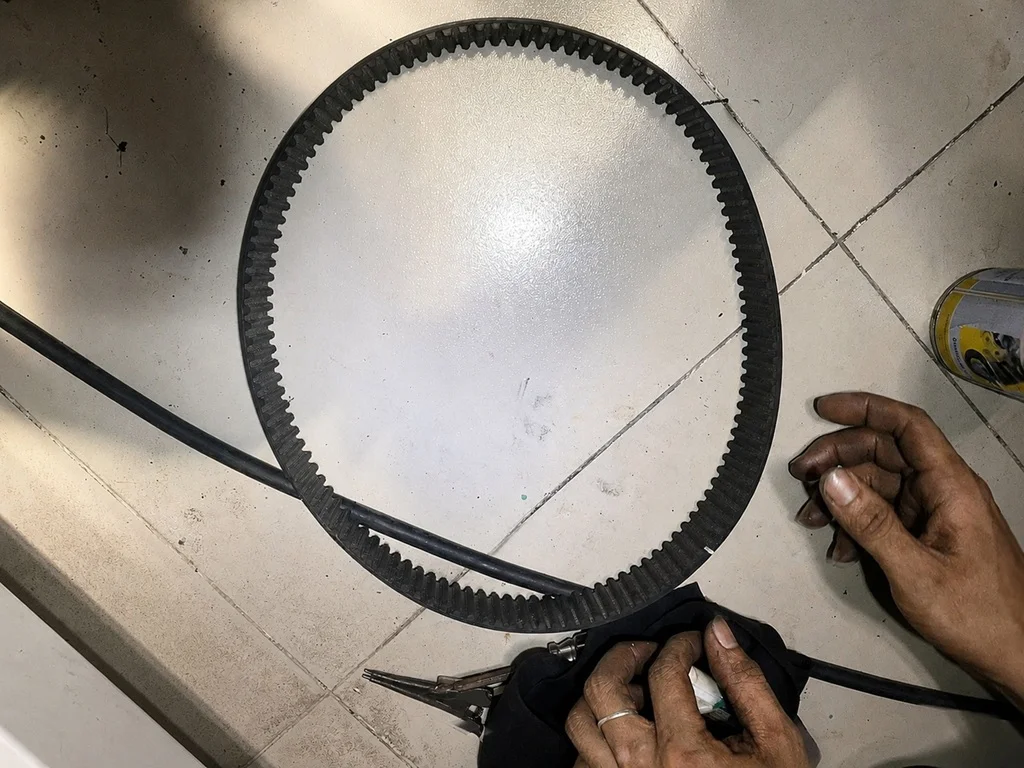
Inspecting drive areas and auxiliary components
In many cases, cleaning and maintenance should not stop at wiping surface dust. Technicians also need to inspect drive assemblies, auxiliary components, and surrounding technical areas to ensure that the machine does not accumulate excessive dust in positions that may affect operating stability.
For belts, pulleys, motors, and assemblies inside the machine compartment, periodic inspection helps detect abnormal signs early and supports overall maintenance for paper slitting and cutting machines.
Control compartments and working positions need careful cleaning
The PLC cabinet and control compartment are sensitive areas because they contain signal wiring, terminals, electrical and electronic components, and assemblies that support machine operation. When paper dust enters this area over a long period of time, the equipment can become harder to inspect or lose the level of cleanliness needed for a stable working environment.
Therefore, during maintenance, the work must be carried out safely, the current condition must be checked carefully, and cleaning must be controlled to avoid affecting electrical equipment or sensitive components.
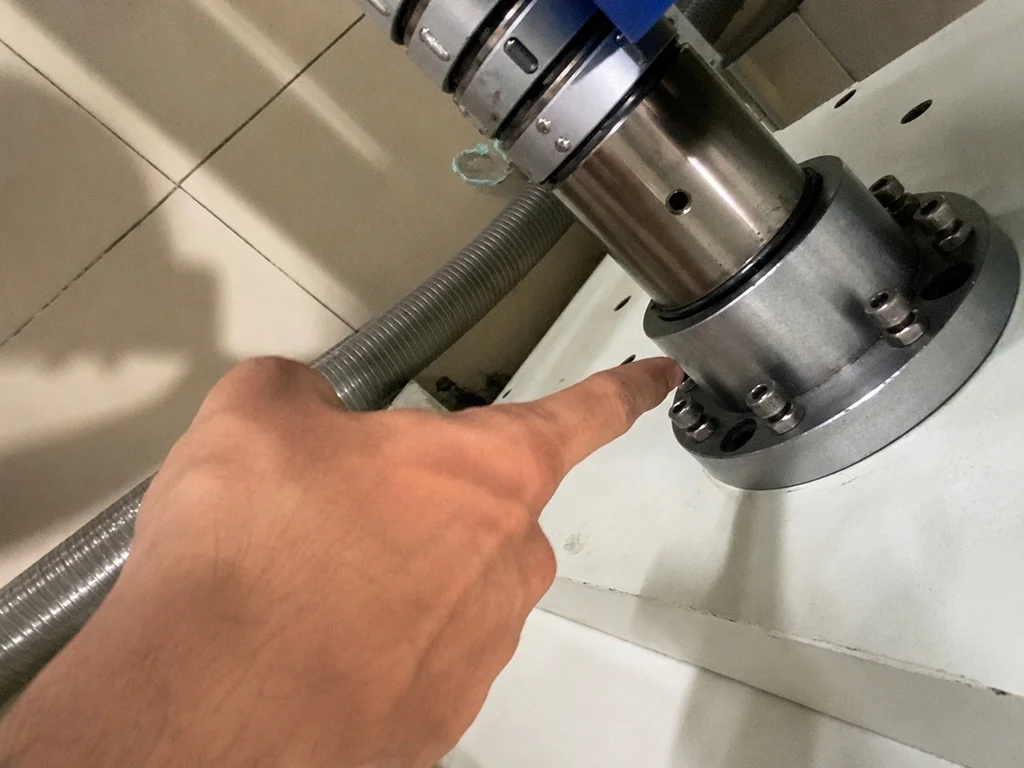
Benefits of periodic maintenance for paper slitting and cutting machines
| Item | Benefits |
|---|---|
| Roller cleaning | Helps keep contact surfaces cleaner, reduces thick dust buildup, and supports more stable material feeding. |
| Working surface cleaning | Reduces paper particles, dirt, and factors that may cause deviation during the cutting and slitting process. |
| Machine compartment inspection | Helps identify dust accumulation points early or areas that require further monitoring during maintenance. |
| Control area inspection | Keeps technical compartments and electrical equipment areas cleaner, easier to monitor, and easier to inspect. |
| Periodic maintenance | Helps businesses proactively detect minor faults, reduce machine downtime, and better control production quality. |
VietSonic provides industrial machine cleaning and maintenance services
VietSonic supports businesses with cleaning, inspection, and maintenance for production equipment, including paper slitting machines, paper cutting machines, roller assemblies, working surfaces, technical compartments, drive systems, and control areas.
Service focused on real operating conditions
In addition to surface cleaning, VietSonic focuses on inspecting dust-prone positions, important technical areas, and abnormal signs that may affect machine stability during production.
How often should paper slitting and cutting machines be cleaned and maintained?
It depends on operating intensity and the level of paper dust in the workshop. For machines that run frequently, inspection should be carried out weekly or according to the production cycle to prevent long-term dust accumulation.
Does machine cleaning require production to stop?
Safe cleaning tasks usually require the machine to be stopped, especially when working near rollers, drive assemblies, or control areas, to ensure the safety of both technicians and equipment.
Can maintenance help reduce cutting line defects?
It can help if the cause is related to dust buildup, dirty working surfaces, uneven material feeding, or technical areas that require periodic inspection.
Need cleaning and maintenance for paper slitting machines, paper cutting machines, or production equipment?
VietSonic can support site surveys, assess machine conditions, and propose a cleaning and maintenance plan suitable for the actual operating conditions of the factory.