


Practical survey of tank systems, piping, and equipment in the factory – Issues often overlooked until failure occurs
During a recent visit and practical survey at a manufacturing plant within an industrial zone, we had the opportunity to perform a comprehensive inspection of the storage tank systems, piping, valves, pumps, and auxiliary equipment. Through the status assessment, it was evident that many items have been operating continuously for long periods without adequate periodic inspection and maintenance.
This is a common situation in many factories today, especially with systems that have been operational for many years.
1. Issues recorded during the practical survey
During the on-site inspection, we identified several common conditions:
- Leakage at flange joints due to gasket aging
- Rusted and corroded bolts due to humid environments
- Storage tanks showing signs of minor cracking or surface corrosion
- Long-term accumulation of sludge and debris in tanks and piping
- Difficulty in opening/closing valves, with signs of jamming
- Some pumps operating with high vibration and heat generation
- Lack of a clear periodic maintenance plan
These issues may be minor initially, but if not addressed promptly, they can lead to:
- Production line stoppage
- Loss of water / raw materials
- Major equipment damage
- High repair costs
- Impact on production quality
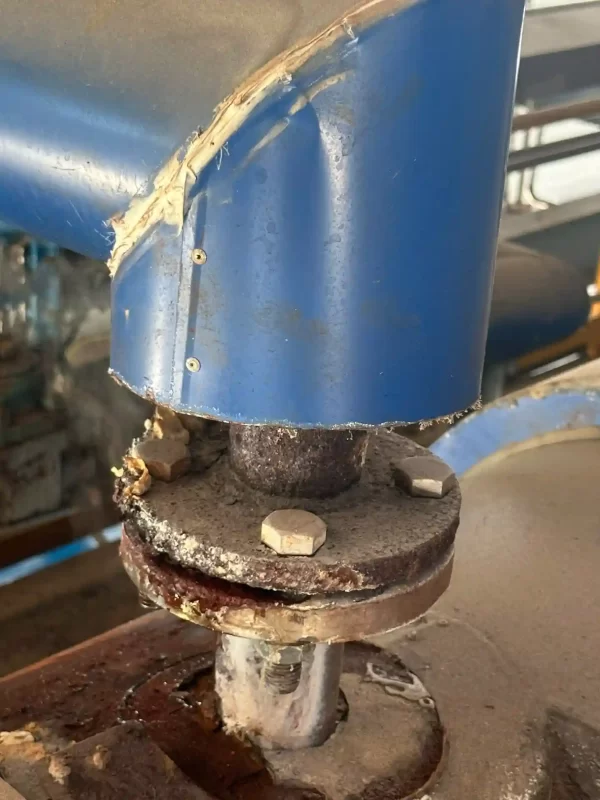

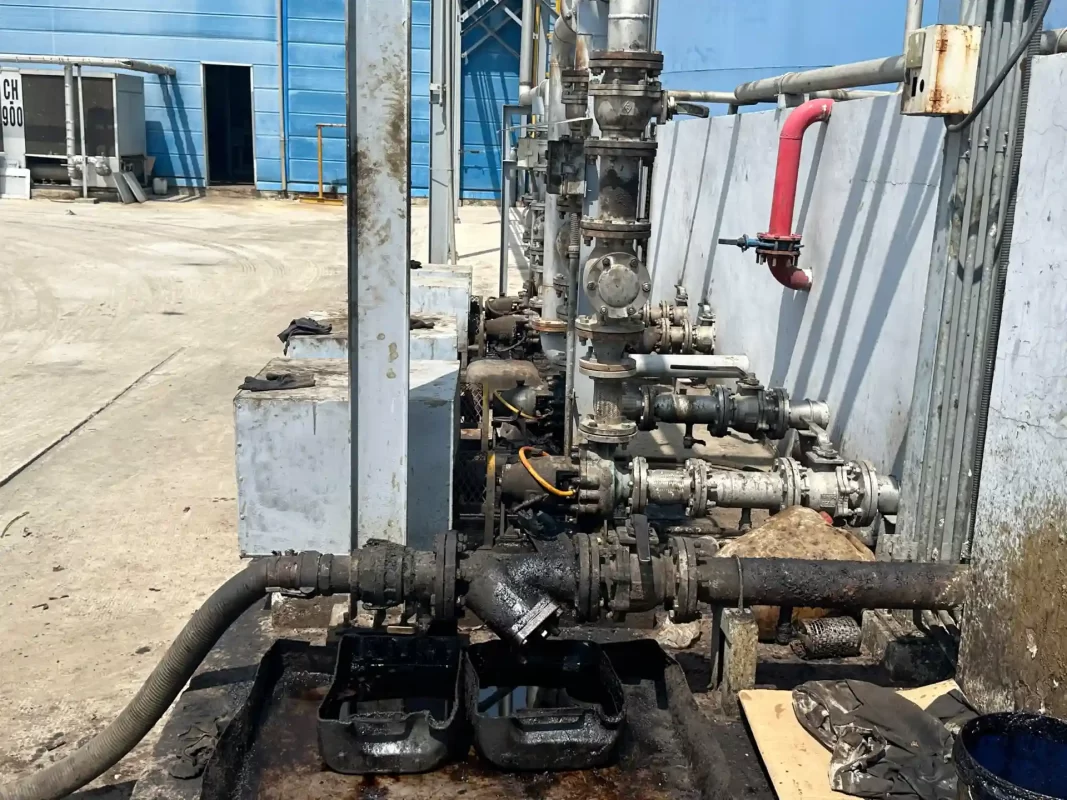
Practical images: Consequences of subjective maintenance; system leakage and structural degradation stem from overlooking minor defects.
2. Why many plants experience failures even while the system is running
Through numerous practical surveys, we have noticed a common point:
The system is running → therefore, maintenance is not yet needed
However, in reality:
- Gaskets can degrade after 1–2 years
- Tanks can corrode from the inside
- Valves can jam due to sediment buildup
- Pumps can become misaligned after long-term use
Without periodic inspections, failures usually occur suddenly.
The repair costs at that point are often much higher than maintenance costs.


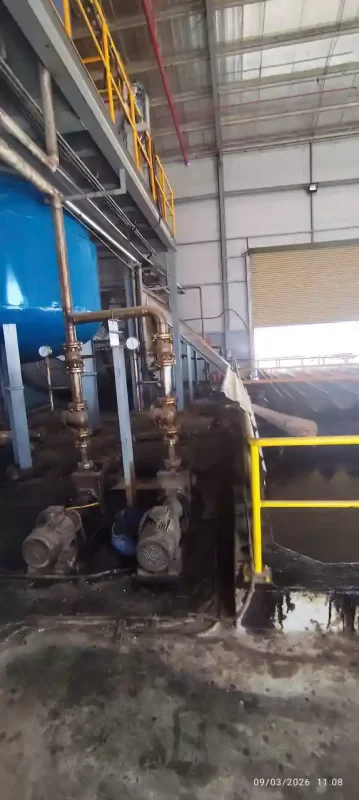
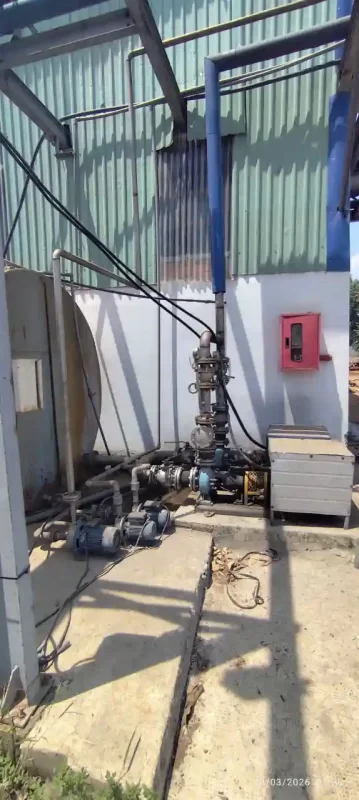
Practical images: VietSonic performing on-site inspection of tanks and piping, reviewing operational safety threats.
3. Items requiring periodic inspection in the factory
Through the survey process, we always recommend inspecting the following systems:
✔ Water / chemical / raw material storage tanks
✔ Process piping
✔ Various types of valves
✔ Industrial pumps
✔ Motors
✔ Measurement systems (pressure, flow, level…)
✔ Joints, gaskets, packing
✔ Tank legs and support structures
✔ Water supply and drainage systems
✔ Potential leakage points
Periodic inspection helps to:
- Detect damage early
- Avoid downtime
- Reduce repair costs
- Increase equipment lifespan
4. Solutions we typically implement after the survey
Depending on the status, we propose tasks such as:
- Industrial tank cleaning
- Gasket and packing replacement
- Leak repair welding for stainless steel / plastic tanks
- Minor on-site repairs
- Maintenance of pumps, valves, and piping
- Measurement equipment inspection
- Support for calibration / verification
- Reinforcement of tank structures
- Full system check before operation
These tasks can usually be performed without a major shutdown.
5. Benefits of periodic survey and maintenance
After many practical projects, we have observed that:
Plants with a periodic maintenance plan typically have:
- Fewer sudden breakdowns
- Lower operating costs
- Longer-lasting equipment
- More stable production
- Easier achievement of ISO / HACCP / audit standards
Conversely, plants that only repair when broken often incur very high costs.
6. Accepting survey – maintenance – system repair in the factory
We undertake:
- System status survey
- Periodic maintenance
- Minor repairs
- Leakage handling
- Tank cleaning
- Maintenance of pumps / valves / piping
- Measurement equipment inspection
- On-site technical support
Suitable for:
- Manufacturing plants
- Industrial zones
- Food processing plants
- Chemical plants
- Water treatment plants
- Energy plants
We will directly assess the system’s status and propose preventive maintenance plans, optimizing costs and aligning perfectly with the enterprise’s production schedule.
Contact Information:
- Phone: 0938 49 33 66 (Mr. Hải)
- Email: info.vietsonic@gmail.com
- Website: https://vietsonic.vn