Damage Assessment

Causes of Vacuum Aluminum Metallizers Failing to Reach Negative Pressure

In plastic packaging film production lines, the vacuum aluminum metallizer directly affects the quality of the metal coating on the film surface. When the vacuum chamber is not airtight, the machine struggles to reach the required negative pressure, resulting in prolonged vacuum pull-down time, pressure fluctuations, and frequent coating defects.

Prolonged Vacuum Pull-DownUnstable PressureUneven Aluminum Coating
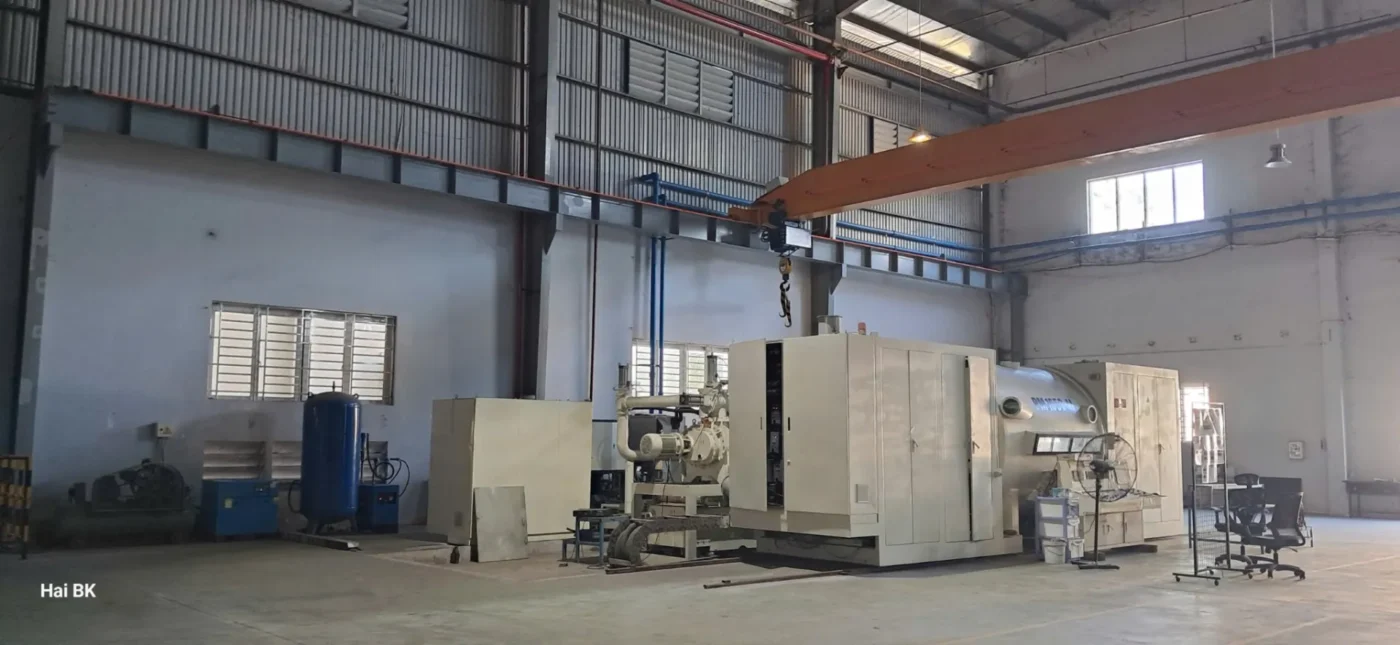
Vacuum Chamber Airtightness is the Foundational Condition

From the outside, the aluminum coating on the packaging film may appear to be just a very thin silver layer. However, to create a uniform coating, multiple technical conditions must be maintained inside the machine simultaneously: vacuum level, aluminum evaporation temperature, film running speed, film tension, and the cooling/condensation capacity on the coating drum.

Among these, the airtightness of the vacuum chamber is the foundational factor. If the chamber leaks, even if the pumping system operates continuously, it will be difficult to create a stable vacuum environment for aluminum evaporation and deposition.

The issue is not just whether the machine can pull a vacuum, but whether it can maintain a stable enough vacuum environment for the aluminum to evaporate and deposit evenly onto the film.

Low Negative Pressure Errors Are Often Misinterpreted

When the aluminum metallizer takes too long to pump down, fails to reach the target pressure, or produces an uneven coating, many factories immediately suspect a vacuum pump fault. However, in large chamber metallization systems, the pump is only one part of the entire vacuum system.

A tiny leak at the door seals, flanges, valves, pipelines, or feedthroughs can also cause the negative pressure to fall short of requirements.

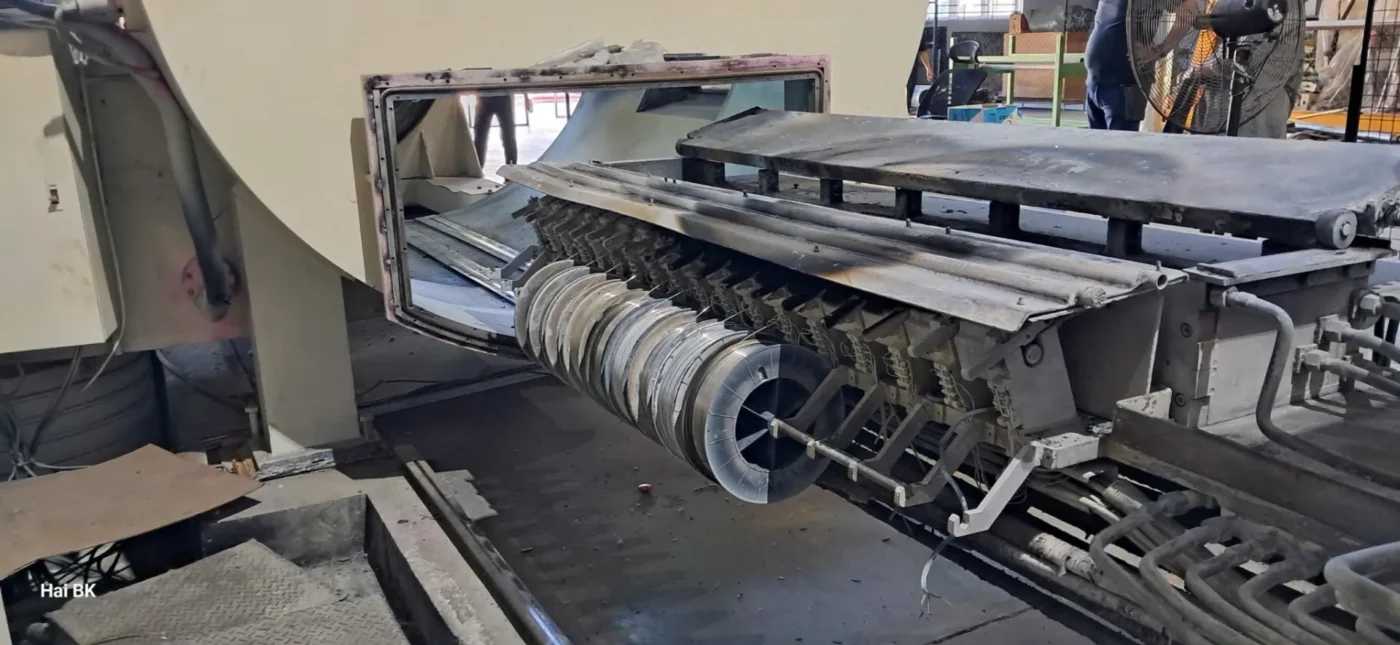
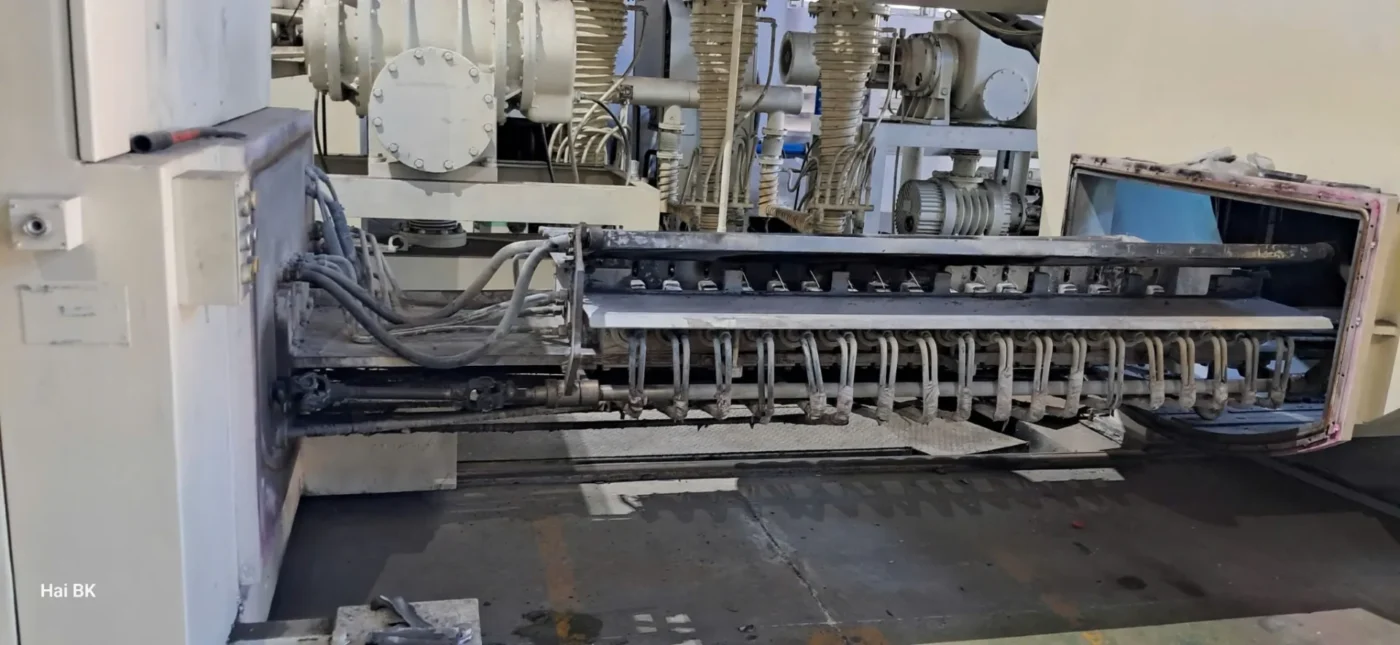
The vacuum chamber door and aluminum evaporation assembly must be inspected periodically to detect leaks, residue build-up, or mechanical deformation.

Core Issue

When the Vacuum Chamber Leaks, the Fault Isn’t Just the Pump

If the chamber leaks at the door seal, flanges, sight glasses, valves, piping, or feedthroughs, air, moisture, and impurities will continue to infiltrate during operation.

Consequently, the vacuum pump must work longer but still struggles to bring the pressure down to the required level. The pressure may drop slowly, fluctuate after dropping, or fail to remain stable when the coating process begins.

This instability disrupts the aluminum evaporation process, directly impacting the thickness, gloss, and uniformity of the coating on the plastic packaging film.

Common Signs of Low Negative Pressure in Aluminum Metallizers

A metallizer with a leaking vacuum chamber rarely exhibits just a single fault. Signs can appear in both operating parameters and post-coating film quality.

01

Longer Vacuum Pull-Down Time Than Normal

The pressure drop takes too long, requiring extended wait times to meet operating conditions or failing to reach the set pressure.

02

Pressure Drops and Fluctuates

The pressure fails to remain stable, shifting upwards as air continues to leak into the chamber.

03

Pump Runs Prolonged, Overheats Easily

The pumping system works harder to compensate for the leaked air, increasing the load and reducing operational stability.

04

Uneven Aluminum Coating Thickness

Aluminum vapor does not deposit uniformly onto the film, creating inconsistent coating zones across the width or length of the film.

05

Streaks, Spots, or Discoloration on Film

The post-coated product may show abnormal streaks, reduced gloss, or uneven reflectivity.

06

Difficult to Identify Causes Visually

Defects are visible on the film, but the root cause may lie in tiny sealing points within the vacuum system.

Areas Required Inspection

Locations Prone to Vacuum Leaks

In metallizers, sealing positions are frequently subjected to heat, aluminum dust, oil, vibrations, and repeated opening/closing cycles. Over time, the sealing effectiveness can degrade.

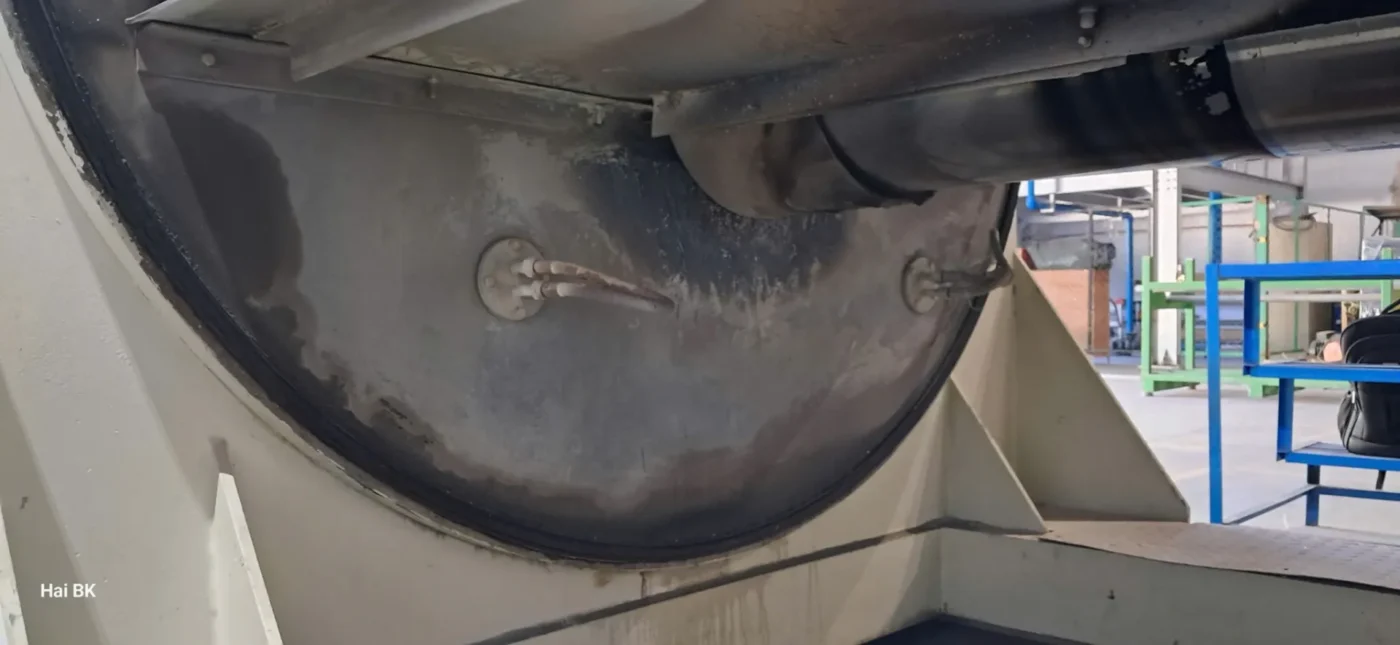
Chamber Door Seal
The seal becomes hardened, cracked, deformed, or accumulated with residue, preventing the door from sealing completely.

Flanges and Bolts
Uneven contact surfaces, aged gaskets, or unevenly tightened bolts create micro-gaps.

Sight Glasses, Inspection Doors
Inspection entry points have their own seals, which easily degrade after long-term operation.

Valves, Pipelines, Couplings
Loose, cracked, or aged connection points along the vacuum line compromise pressure retention.

Door seals, gaskets, and contact surfaces are the first areas to check when the aluminum metallizer fails to reach negative pressure.

Why Does a Lack of Vacuum Cause Uneven Aluminum Coating?

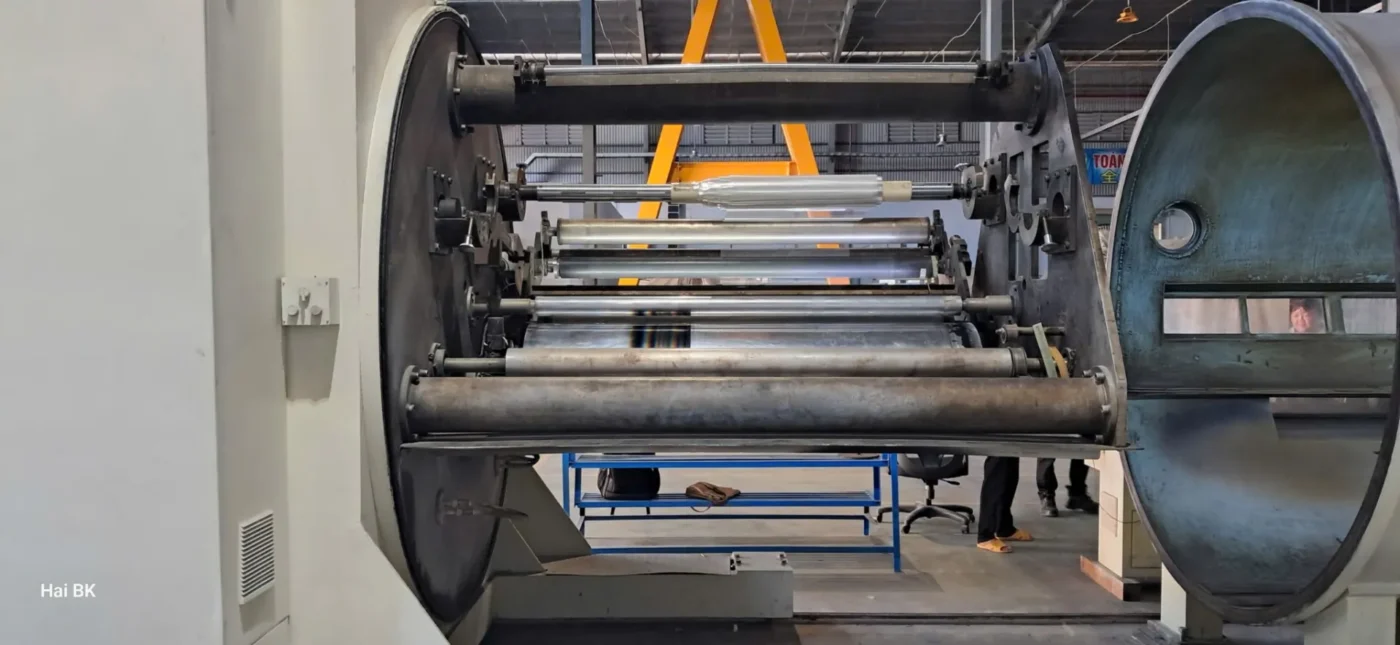
During the coating process, aluminum wire is fed into the evaporation source and vaporizes within the vacuum environment. The aluminum vapor then travels through the chamber and condenses onto the surface of the plastic film passing over the chill roll.

The coating chamber, winding system, and chill roll are the areas directly affected when the vacuum environment becomes unstable.

01

Unstable Aluminum Evaporation

Residual air and moisture in the chamber disturb the aluminum evaporation process, making it difficult to maintain consistency.

02

Uneven Aluminum Vapor Distribution

When the chamber environment is unstable, aluminum vapor can distribute unevenly across the width of the film.

03

Variable Coating Thickness

The finished film may exhibit streaks, uneven silver coverage, varying gloss levels, or fail to meet technical specs.

Low negative pressure is not just a machine operational error. It directly harms the output product quality, leading to residue build-up, thermal defects, deposition issues, and film handling errors if not resolved early.

Flanges, pipelines, and the vacuum pump system must be inspected in sequence to avoid incorrect troubleshooting.

Technical Solutions

Layered Inspection: Don’t Jump to Pump Failure Conclusions

When the metallizer lacks negative pressure, a layered inspection should be conducted to separate chamber leaks, pipeline faults, and vacuum pump issues.

1

Seal Inspection

Check door seals, contact surfaces, residue build-up, deformation, and bolt tightness.

2

Vacuum Line Inspection

Inspect flanges, valves, pipelines, joints, shaft seals, and chamber feedthroughs.

3

Pumping System Evaluation

Monitor pump oil, noise, temperature, suction capacity, and pressure retention.

4

Verification Trial Run

Track pump-down time, ultimate vacuum level, and stability before returning the machine to production.

Aluminum Metallizer Failing to Reach Negative Pressure? Identify the Right Cause Before Repairing

In vacuum aluminum coating systems, treating the wrong cause wastes downtime while the fault repeats. VietSonic provides inspection, evaluation, and consultancy for issues related to vacuum chambers, pumping systems, evaporation units, and coating quality on plastic packaging films.

Call for Consultation: 0938 49 33 66 Send Technical Email
VietSonic

Ultrasonic equipment, ultrasonic plastic welding, vacuum aluminum coating solutions, and technical support in industrial manufacturing.

Hotline: 0938 49 33 66

Email: info.vietsonic@gmail.com