3. Why do many moisturizing creams have an emulsion structure?
Combining groups of ingredients with different properties
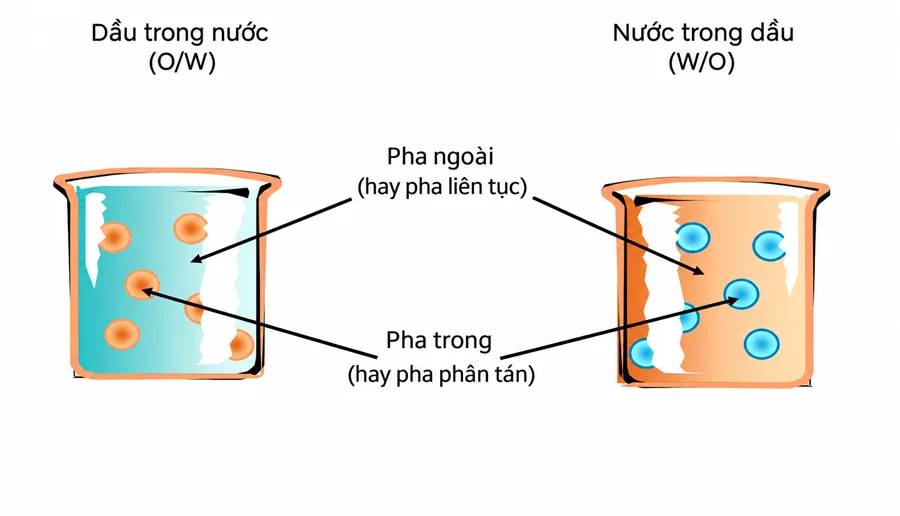
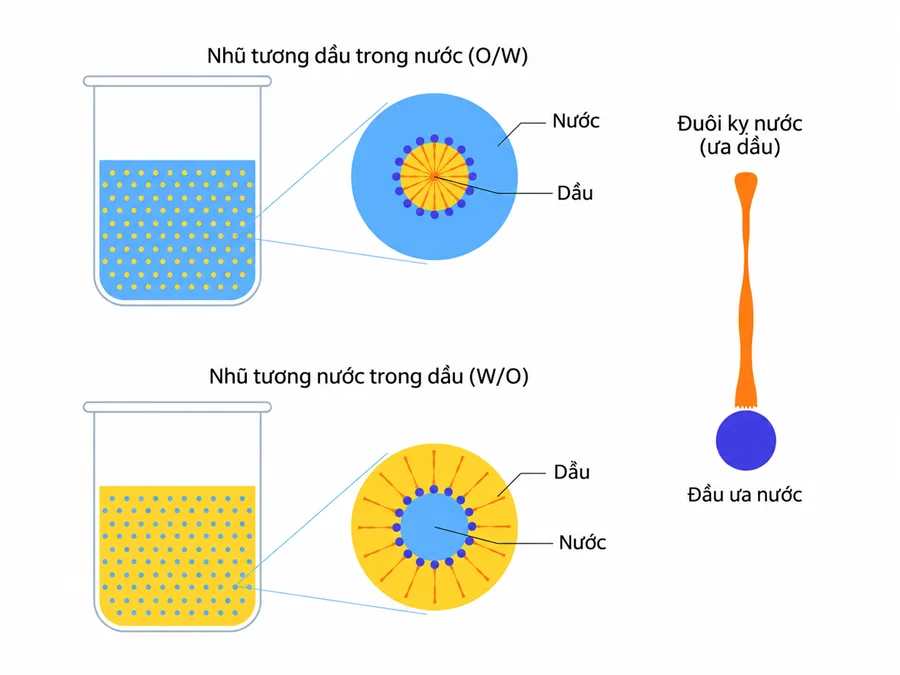
A cream formulation may require ingredients suited to the aqueous phase as well as ingredients suited to the oil phase. An emulsion structure allows these groups to be combined in one product, provided they are selected appropriately and added at the correct processing stage.
For example, glycerin is commonly incorporated into the aqueous phase, while many emollients belong to the oil phase. Combining the two phases creates more formulation options than using oil or water alone.
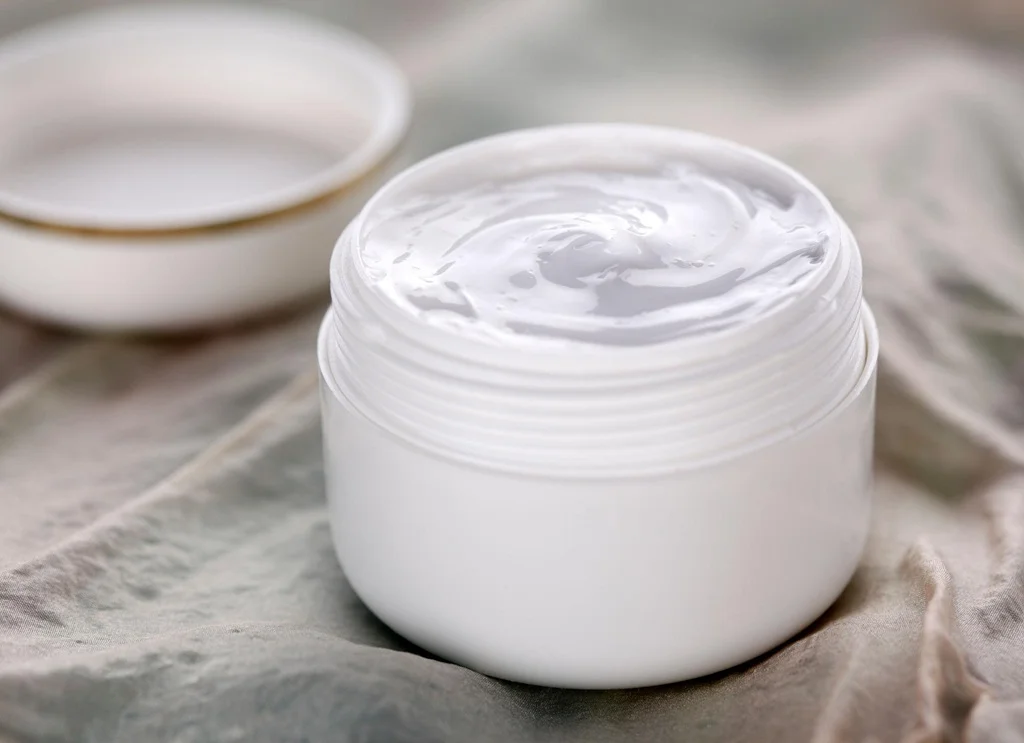
Adjusting how a cream feels when scooped out and spread
Users may prefer a light, easily spreadable cream or a thicker cream with a more pronounced soft feel. Formulators adjust phase proportions, oil types and the structuring system to achieve the intended experience.
Consistency does not depend solely on the amount of oil. Thickeners, waxes, structures formed during cooling and interactions between ingredients can all affect how a cream flows.
Maintaining ingredient distribution throughout the product
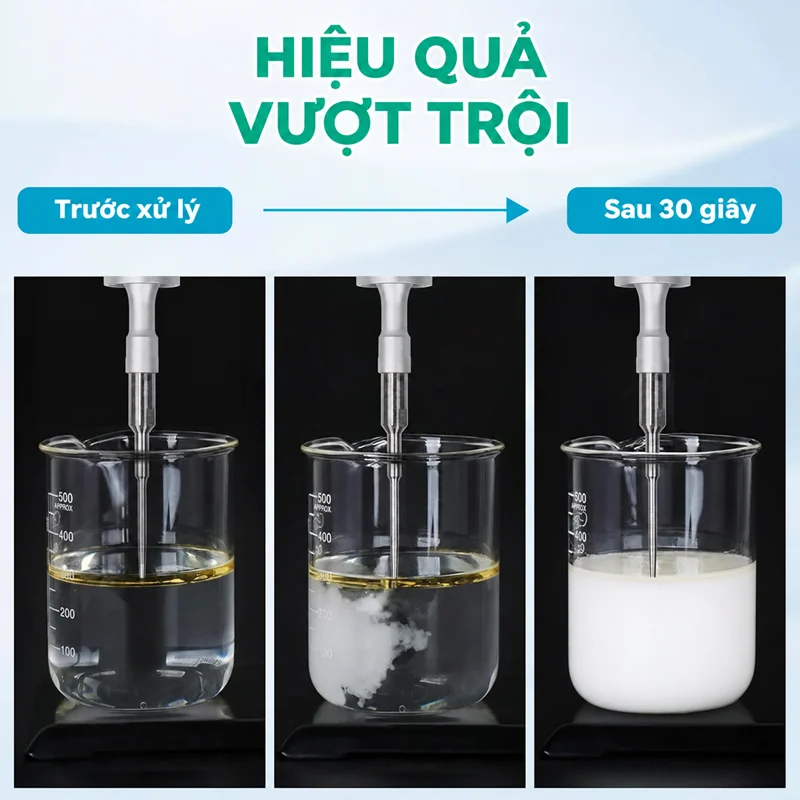
In a well-designed emulsion, dispersed droplets remain distributed within the cream base, helping to limit differences in texture between portions caused by phase separation. This is an important objective of both formulation and manufacturing.
However, skincare performance must be assessed on the finished product. A smooth appearance, thick consistency or the term ‘emulsion’ alone cannot establish how effective a product is.