



Hoist Repair for Worn, Frayed, Twisted, Stretched, or Broken Wire Ropes / Load Chains
A wire rope beginning to fray, a stretched section of load chain, or a hoist that operates with sudden jerks can bring an entire production line to a halt. We provide condition inspections, root-cause identification, and suitable repair solutions to help factories reduce the risk of unplanned production downtime.
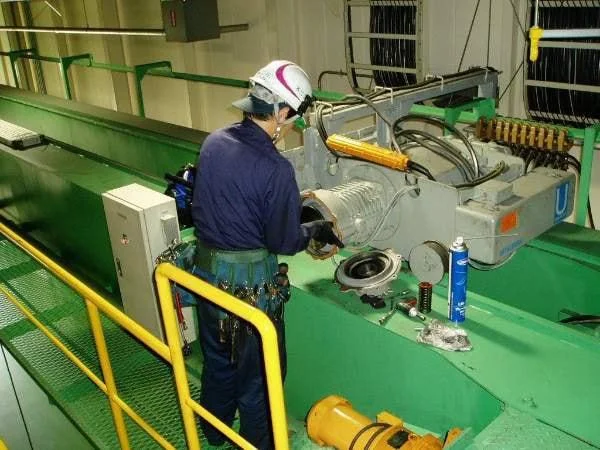
The Solution Is Not Simply to “Replace the Rope” or “Replace the Chain”
When a wire rope or load chain shows signs of wear, fraying, twisting, stretching, crushing, or broken strands, the visible damage is often only the surface symptom. The underlying cause may involve the rope drum, sheaves, chain wheel, brake, limit switches, operating practices, or repeated overloading.
Unexpected Production-Line Downtime
A hoist that cannot lift, operates with jerking movements, develops a jammed rope, or allows the load to slip can leave materials and personnel waiting and delay delivery schedules.
Lifting Safety Risks
A frayed wire rope, stretched chain, misaligned load hook, or weak load-holding brake are all warning signs that require immediate inspection before operation continues.
Escalating Repair Costs
Replacing only the wire rope without addressing the root cause may allow the fault to recur and damage the sheaves, rope drum, motor, gearbox, or electrical control system.
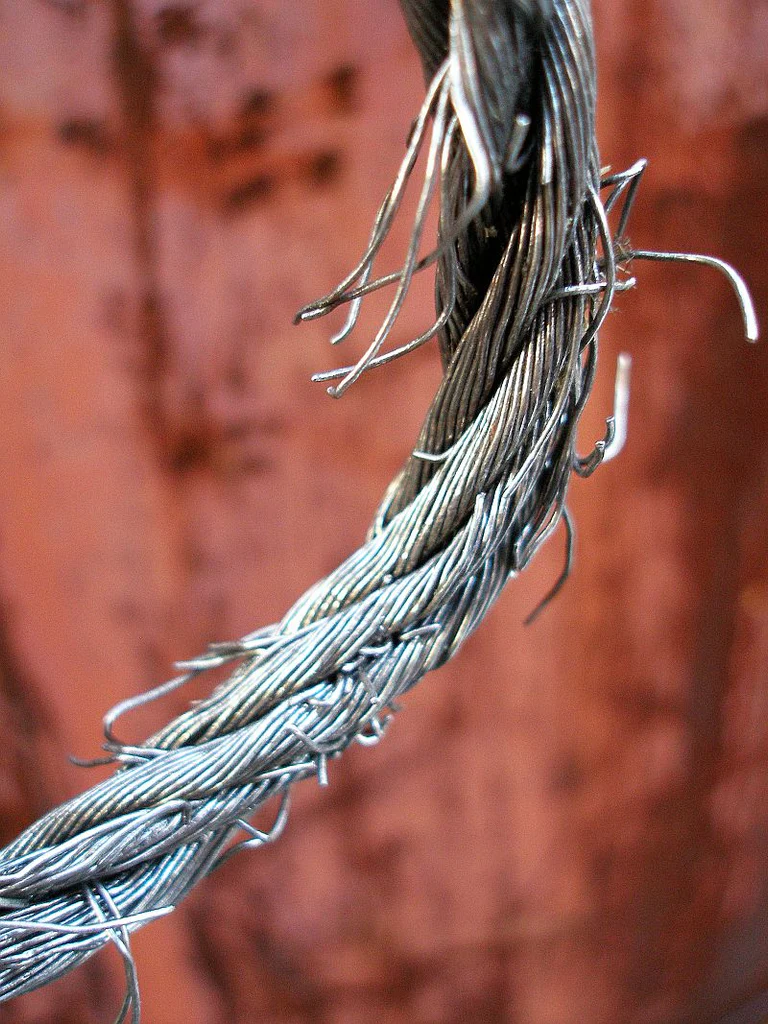
Warning Signs That Require Immediate Hoist Inspection
Do not wait until the hoist stops completely before taking action. With lifting equipment, many faults can be detected early through unusual sounds, vibration, load slippage, and the condition of the wire rope or chain.

Hoist Wire-Rope / Load-Chain Breakdown Services
Our service focuses on three objectives: restoring safe operation, reducing equipment downtime, and preventing recurring faults.
1. On-Site Inspection & Diagnosis
- Inspect the condition of the wire rope, load chain, load hook, rope drum, sheaves, and chain wheel.
- Assess the brake, limit switches, motor, gearbox, and control system.
- Determine whether the fault is caused by normal wear, off-center loading, overloading, inadequate lubrication, or incorrect installation.
2. Repair / Replacement with Suitable Components
- Replace the wire rope or load chain with components that match the required operating specifications.
- Realign the rope or chain path, sheave assembly, rope drum, and guiding mechanism.
- Correct related faults such as brake slippage, faulty travel limits, uneven rope winding, and chain jamming.
3. Test Run & Maintenance Recommendations
- Conduct no-load and loaded test runs under the factory’s actual operating conditions.
- Document before-and-after images, the cause of the fault, and the completed repair items.
- Recommend a periodic inspection schedule to reduce the risk of unexpected production-line downtime.
How Should the Company Decide on the Correct Action?
The table below helps maintenance, production, and purchasing teams agree on the appropriate corrective action more quickly.
| Detected Condition | Production Risk | Recommended Action |
|---|---|---|
| Dry or contaminated rope/chain with signs of minor wear | Increased friction, heavier operation, and reduced service life of the drive assembly | Clean and lubricate the components, inspect the sheaves, rope drum, and chain wheel, and establish a monitoring schedule |
| Frayed, twisted, crushed rope or localized broken strands | Risk of rope jamming, load slippage, and unexpected hoist shutdown | Stop the equipment for a technical inspection, assess whether the rope must be replaced, and identify the cause of the damage |
| Stretched load chain, worn links, or excessive operating noise | Poor engagement with the chain wheel, load jerking, and increased impact loads on the motor and gearbox | Measure chain elongation, inspect the chain wheel, and consider replacing the chain as a matched set |
| Load drops when stopped or the brake does not hold the load securely | High safety risk with direct consequences for personnel, materials, and equipment | Stop operation and inspect the brake, gearbox, motor, and control mechanism before returning the equipment to service |
| Fault recurs after the rope or chain has been replaced | Repeated component costs, recurring production stoppages, and difficulty maintaining the production schedule | Investigate the root cause: sheave misalignment, incorrect rope-drum operation, overloading, off-center lifting, or abnormal rail/trolley conditions |
Factory Hoist Breakdown Repair Process
Clearly define the work scope, repair items, and proposed solution before repairs begin.
Initial Assessment
Record the rated load, hoist type, fault symptoms, operating frequency, and impact on production.
Inspection
Inspect the rope or chain, hook, brake, rope drum, sheaves, motor, gearbox, electrical controls, and limit switches.
Evaluation
Classify the fault as adjustable, requiring component replacement, or requiring the equipment to remain out of service for safe corrective work.
Repair
Replace the rope or chain, perform alignment and lubrication, and correct brake, travel-limit, guide-system, and related faults.
Handover
Perform test runs and acceptance checks, then provide images, maintenance recommendations, and a periodic inspection schedule.
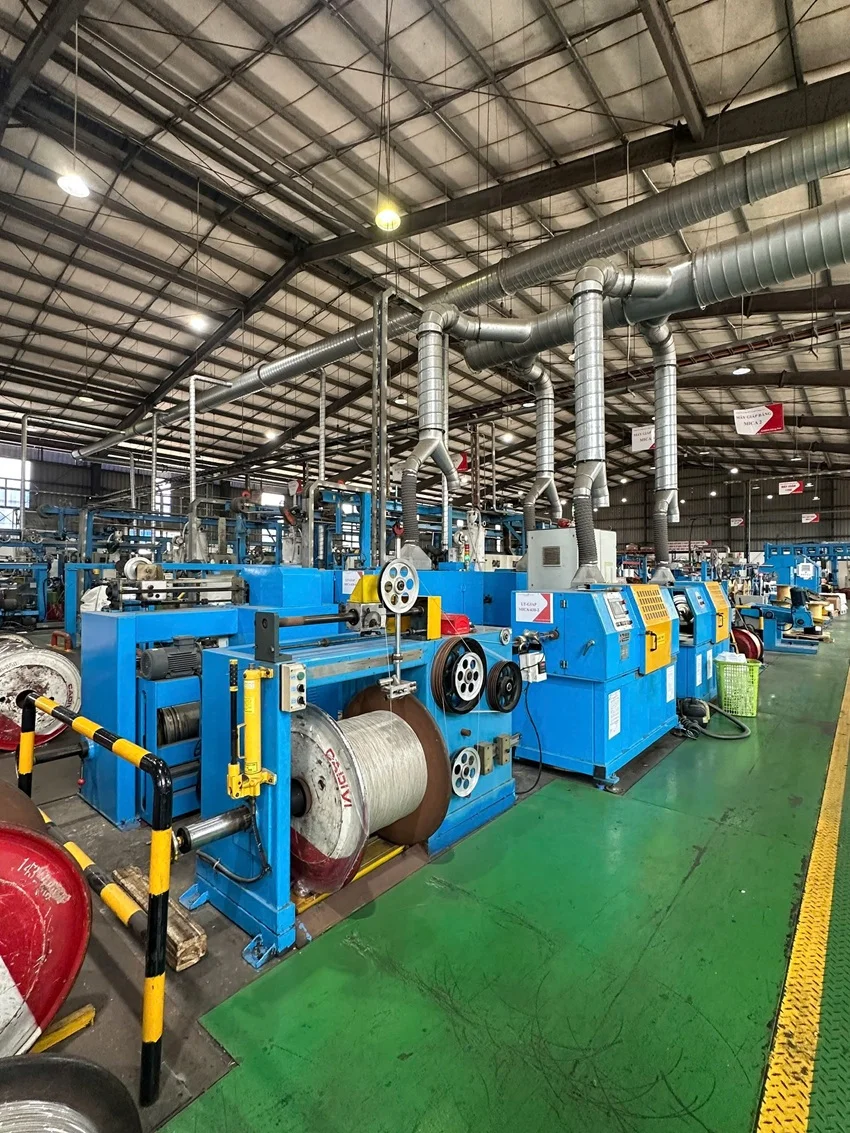
Related Components to Inspect When a Hoist Rope or Chain Is Damaged
Rope or chain damage is often the result of a chain of underlying causes. Therefore, related components should be inspected at the same time during hoist repairs to prevent the new rope or chain from failing again shortly after replacement.
Suitable for a Wide Range of B2B Production Environments
The service is designed for factories, production workshops, and operating units that use hoists, overhead cranes, gantry cranes, or material-handling lifting systems.
Mechanical Engineering Plants
Lifting dies, steel plates, machine assemblies, machined components, and heavy materials.
Warehousing & Logistics
Handling heavy goods, large packages, packaging equipment, and stored materials.
Manufacturing Plants
Supporting maintenance, die changes, assembly, equipment repairs, and material supply to production lines.
Frequently Asked Questions
Does a Slightly Frayed Wire Rope Need to Be Replaced Immediately?
The frayed area, number of broken strands, degree of deformation, rope diameter, condition of the sheaves and rope drum, and actual loading conditions must be inspected. A decision to continue using the rope should not be based on a visual check alone.
Will Replacing the Rope or Chain Eliminate the Fault Completely?
Not necessarily. If the root cause is a worn sheave, misaligned rope drum, faulty guide mechanism, off-center loading, or an unstable brake, the new rope or chain may also fail prematurely.
Can Maintenance Be Scheduled Outside Production Hours?
Maintenance can be arranged around the factory’s planned shutdown schedule. For faults that directly affect production, the technical team will prioritize an inspection to recommend an appropriate repair solution.
What Documentation Is Provided After the Repair?
Depending on the scope of work, the handover package may include an inspection report, condition images, completed repair items, replaced components, and periodic maintenance recommendations.
Is Your Hoist Showing Signs of a Frayed Rope, Stretched Chain, Jerking Operation, or Load Drop?
Send us photos or videos of the current condition, the working load, and the installation location. Our technical team will provide an initial assessment and recommend a suitable inspection and repair solution for your factory.