



Autoclave Does Not Build Pressure: Causes and Solutions
An autoclave that runs but the pressure does not increase, builds pressure very slowly, leaks steam at the door, or cannot reach the set pressure is a sign that it should be inspected early. With equipment that operates using high-temperature steam and high pressure, correctly diagnosing the cause helps prevent serious damage, reduce machine downtime, and ensure the sterilization cycle meets the required conditions.
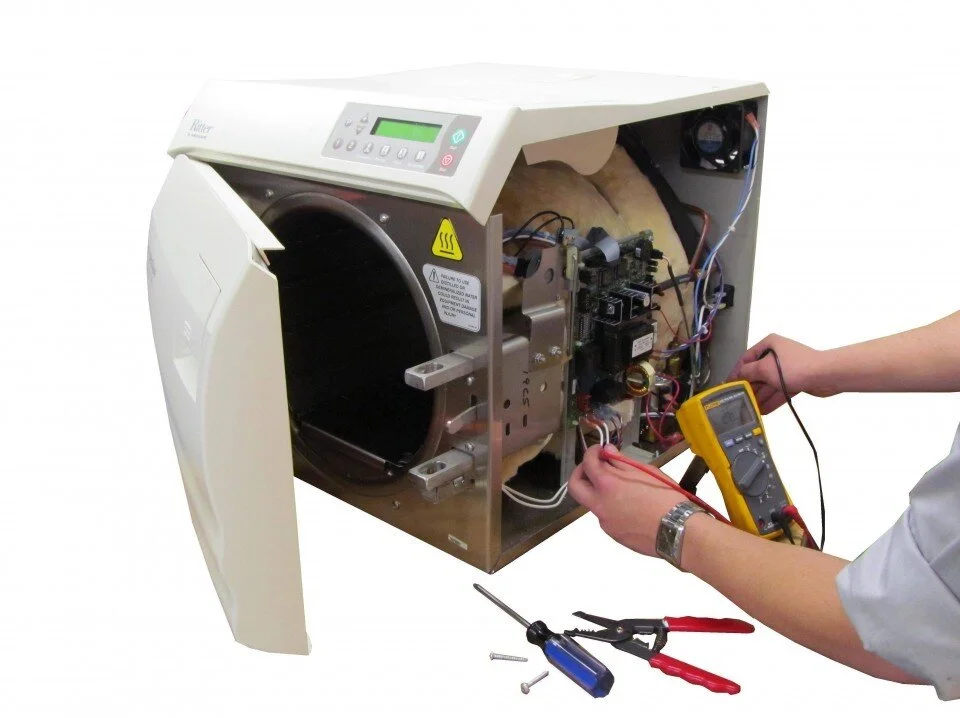
Common signs
The machine runs for a long time but the pressure gauge does not rise, the pressure fluctuates, a pressure error appears, or the cycle stops midway.
Risks of ignoring the issue
The sterilization load may fail, instruments may not be sterilized under the correct conditions, the machine may consume more electricity/water, and additional system faults may occur.
VietSonic support
Inspect the actual machine condition, identify steam leakage points, and assess the door gasket, valves, sensors, heating system, and control system.

What does “autoclave does not build pressure” mean?
Failure to build pressure does not only mean the pressure stays at zero. In practice, the machine may still generate steam but cannot reach the set level, builds pressure very slowly, or loses pressure soon after it rises. This is a common fault group in autoclaves used for a long time in clinics, hospitals, laboratories, aesthetic centers, pharmaceutical manufacturing, food production, and medical device facilities.
For example, the machine needs to reach 1.1 bar, 1.2 bar, or the corresponding program pressure, but the pressure only increases partially and then stops.
The waiting time is longer than usual, the cycle is extended, and the machine reports an error due to exceeding the allowed pressure build-up time.
This often appears around the door edge, drain valve, safety valve, piping, or connection points.
Common causes of an autoclave not building pressure
The same symptom of “not building pressure” can come from the door gasket, valves, piping, heating unit, sensors, or operating procedures. Below are the main cause groups that VietSonic often needs to inspect when handling autoclave pressure issues.
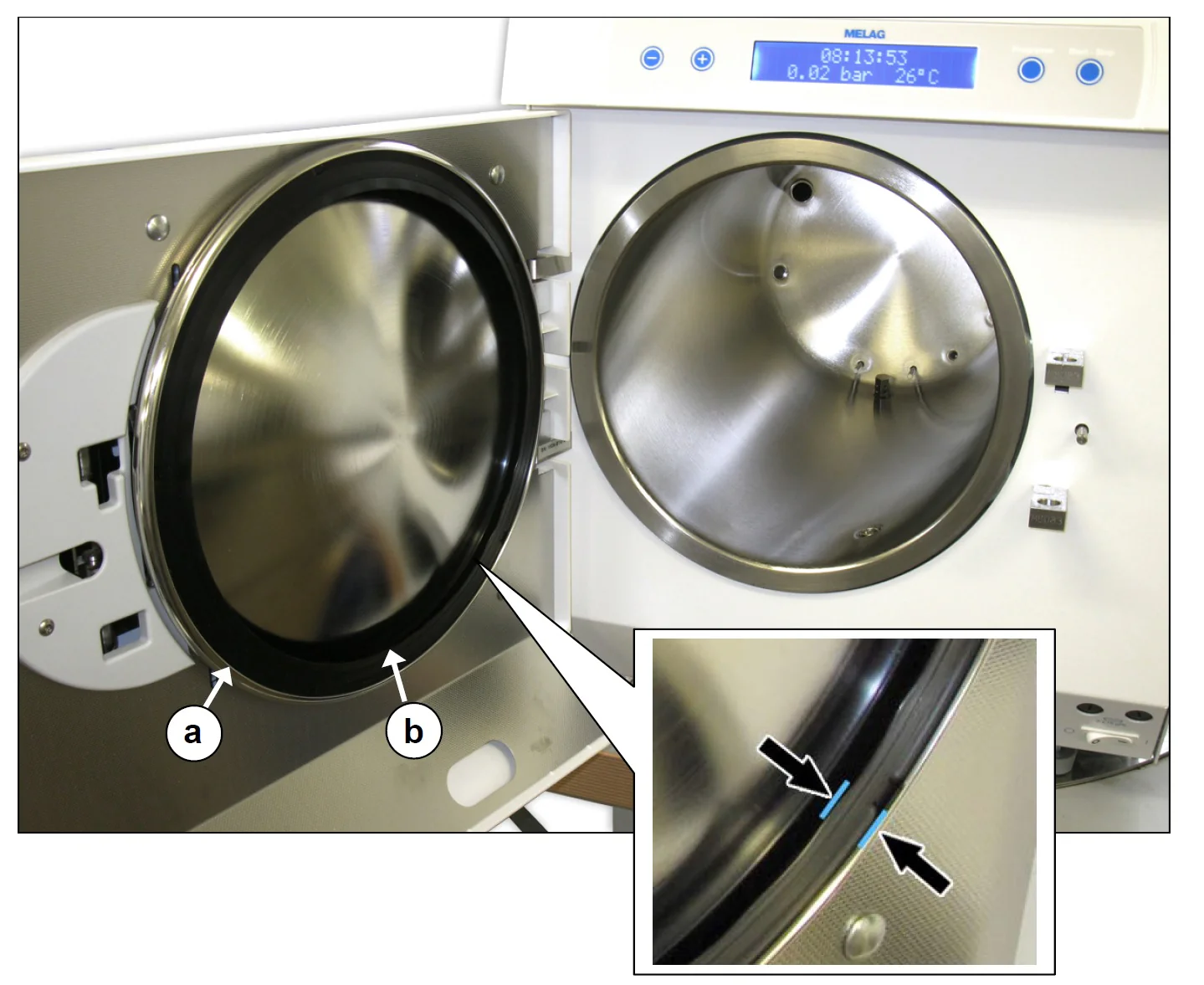
1. Door gasket is leaking, hardened, or torn
The door gasket is one of the most common pressure-loss points. When the gasket ages, becomes dirty, is installed incorrectly, or the door surface no longer seals properly, steam escapes and the machine cannot maintain pressure.
2. Door does not seal properly or the locking mechanism is misaligned
Some machines still detect the door as closed, but the door clamping force is insufficient. When pressure starts to rise, steam leaks from the door edge, causing pressure to drop or fail to reach the sterilization threshold.
3. Drain valve, solenoid valve, or check valve is leaking
A valve stuck with scale, an aged seal, a weak coil, or a valve that does not close tightly can cause continuous steam loss. This issue may not be clearly visible if the steam is discharged through a closed pipe.
4. Safety valve releases too early or does not seal properly
If the safety valve releases before the machine reaches working pressure, the autoclave cannot build pressure. This is a critical safety component and should not be adjusted or blocked to force the machine to run.
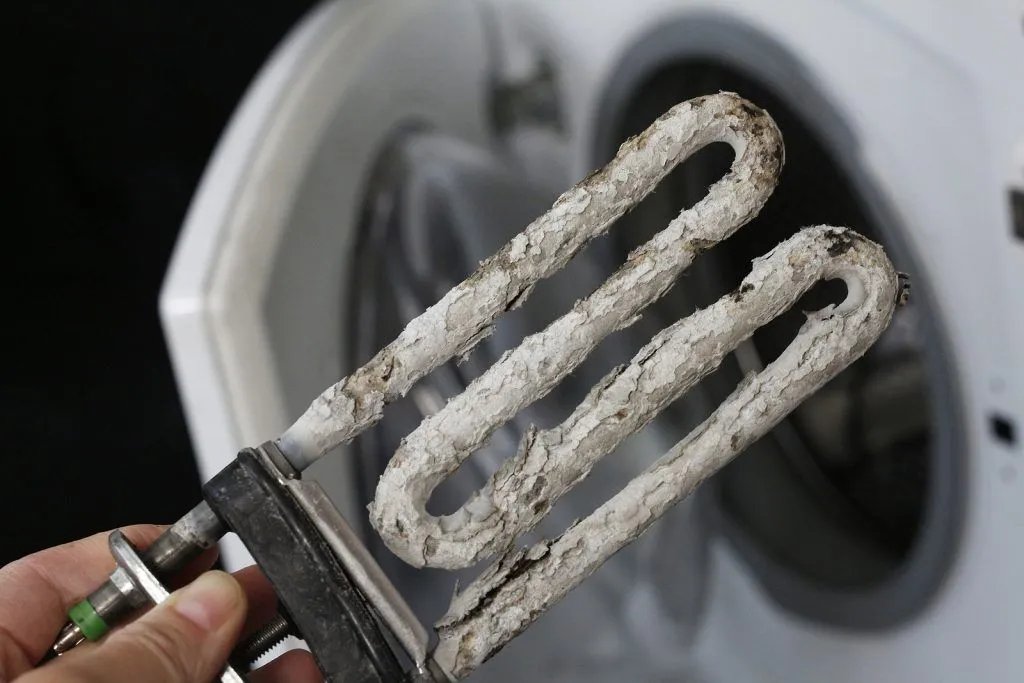
5. Heating element is weak, scaled, or damaged
When the heating unit does not provide enough power, steam is generated slowly or in insufficient volume. The machine may heat slowly, build weak pressure, and extend the cycle abnormally.
6. Pressure sensor or temperature sensor is inaccurate
An inaccurate sensor can cause the machine to misread the actual pressure, stop the cycle, show an error, or control heating at the wrong time.
7. Steam pipes, drain filters, or chamber have scale build-up
Mineral-rich water, dirt, or irregular cleaning can clog steam lines, jam valves, and reduce the machine’s ability to build stable pressure.
8. Insufficient water supply or improper loading
Insufficient water, using the wrong type of water, loading instruments too densely, or selecting the wrong program can also make the machine take too long to build pressure and fail to meet sterilization conditions.
Quick troubleshooting table by symptom
The table below helps operators describe the machine condition accurately when contacting a technician. The clearer the description, the faster and more accurate the inspection process will be.
| Symptom | Possible cause | What should you do? |
|---|---|---|
| Steam leaks around the door | Door gasket leak, misaligned door, dirty door surface, or locking mechanism not applying enough pressure | Stop starting new cycles, note the leakage position, and call a technician to inspect the gasket/door |
| Pressure rises very slowly | Weak heating, insufficient water supply, small steam leak, or valve not closing tightly | Check the water condition, do not force higher pressure settings, and contact a technician if the issue repeats |
| Pressure rises then drops | Leaking drain valve, safety valve releasing early, inaccurate pressure sensor, or intermittent steam leakage | Do not adjust the safety valve yourself; proper measuring equipment is required for inspection |
| Machine shows a pressure error | Pressure not reached within the allowed time, faulty pressure sensor, or the control system receiving incorrect signals | Take a photo of the error code/screen and send it to VietSonic for guidance on the next inspection steps |
| No steam generation | Insufficient water, damaged heating element, relay/contactor fault, or control board fault | Turn off the machine and do not run it dry repeatedly to avoid burning the heating element or causing more serious damage |
How does VietSonic inspect and repair pressure build-up issues?
For pressure-related faults, the machine should be inspected systematically instead of replacing parts by guesswork. The goal is to correctly identify the pressure-loss point, the control-related cause, and the safety condition before allowing the machine to operate again.

Receive machine condition and model information
Record the autoclave type, capacity, running program, error code, when the fault appears, and whether steam leakage is present.
Inspect the exterior and steam leakage points
Assess the door, gasket, door lock, drain valve, piping, fittings, and signs of abnormal steam escape.
Evaluate the steam generation and water supply system
Inspect the heating condition, water level, feed pump, scale build-up, and the ability to generate stable steam during operation.
Inspect valves and sensors
Evaluate the solenoid valves, drain valve, safety valve, pressure sensor, temperature sensor, and signals sent to the controller.
Test run and monitor the cycle
After repair, the machine must be monitored through pressure build-up, pressure holding, pressure release, and cycle completion to ensure stable operation.
What should you not attempt to fix yourself?
Some actions can make the machine more dangerous or cause the sterilization conditions to become inaccurate. Without expertise in pressure equipment, electrical control, and steam systems, you should not interfere with the following areas:
Do not block or adjust the safety valve
The safety valve is an important protective component. Incorrect intervention can prevent the machine from releasing pressure at the proper time.
Do not force the door while pressure remains inside
If the door cannot open or the machine indicates remaining pressure, wait until the machine returns to a safe state and inspect the cause.
Do not run the machine repeatedly when water is insufficient
Running dry can burn the heating element, damage sensors, and lead to more serious faults.
Frequently asked questions
Is an autoclave not building pressure always caused by a damaged door gasket?
No. The door gasket is a very common cause, but the fault can also come from the drain valve, safety valve, heating element, pressure sensor, piping, or control system.
The machine is still heating but does not build pressure. What could be the cause?
The machine may generate heat but fail to retain steam due to door leakage, valve leakage, pipe leakage, or insufficient steam generation caused by weak heating, scale build-up, or insufficient water.
Should I continue using the machine if it only leaks a small amount of steam?
You should not ignore it. Even a small steam leak can prevent the cycle from reaching the required pressure and affect sterilization results. It should be inspected early before the fault becomes more serious.
Does VietSonic provide on-site autoclave inspection?
You can contact VietSonic via the hotline to send the machine condition, photos, error videos, and usage location. The technical team will advise on the appropriate inspection direction.
Is your autoclave not building pressure?
Do not force the machine to run repeatedly once it shows signs of not holding pressure, leaking steam, or reporting a pressure error. Send the machine condition to VietSonic for advice on inspection and repair based on the correct cause.
0938 49 33 66 – Mr. Hai
info.vietsonic@gmail.com