


Minimizing Nylon Waste to Prevent Environmental Destruction
Non-woven bags are gradually replacing nylon bags in the green consumption trend. Discover the reasons to switch to fabric bags for environmental and health protection.
Today, alongside economic growth and societal development, the use of nylon bags in daily life is often considered a natural convenience. However, are you aware of the significant negative impact that plastic waste—specifically nylon bags—has on the ecosystem, living environment, and human health? And when will the initiative to limit nylon usage truly be implemented?
1. Alarming Statistics on Nylon Usage
According to statistics from the Ministry of Natural Resources and Environment, in Hanoi and Ho Chi Minh City alone, over 80 tons of plastic and nylon waste are generated daily. On average, each household consumes approximately 1kg of nylon bags per month. A significant portion of this waste consists of single-use nylon bags. Research estimates that a single nylon bag buried underground takes between 400 to 600 years to fully decompose. These substances are not biodegradable; therefore, failing to limit nylon usage starting now will cause severe consequences for life and the environment.

2. The Devastating Effects of Plastic and Nylon Waste
The consumption and discharge of waste in general, and nylon bags specifically, into the environment every day and hour is directly affecting nature and humanity.
2.1. Environmental Impact
Statistics show that each household in Vietnam typically uses 5-7 nylon bags per day, including various sizes. These bags are often discarded into the environment immediately after a single use without recycling. The most dangerous characteristic of nylon bags is their non-biodegradable nature. Their persistence in the environment directly impacts soil, water, and air quality. For instance, they cause soil erosion and block nutrients from reaching crops. In aquatic environments, nylon bags easily clog water pipes and canals, leading to wastewater stagnation and flooding, which facilitates the breeding of disease-causing bacteria.
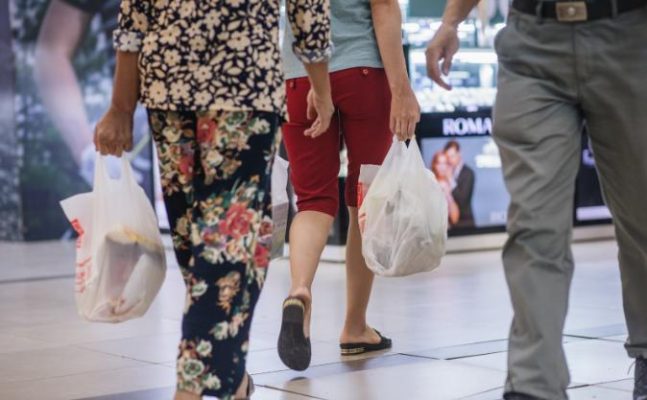
As the direct agents utilizing and discharging nylon into the environment, humans inevitably suffer the worst consequences. Among them, health impacts are undeniable. The use of plastic and nylon products, such as bags and single-use containers, involves materials primarily made from plasticizers and colorants. When used to hold food, these chemicals can be accidentally absorbed into the human body. Toxins from nylon seep into soil and water, accumulating over time to cause skin diseases, digestive issues, chromosomal mutations, and birth defects. Furthermore, burning nylon waste releases toxic gases like dioxins and furans, causing respiratory inflammation, poisoning, endocrine disruption, and cancer.
2.2. Impact on Wildlife and Marine Life
When waste is dumped into the environment, many animals mistake it for food. Animals that swallow or become entangled in waste face a high risk of death. Let’s look at the following images:
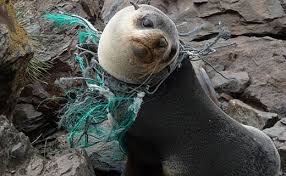
Sea lion entangled in rope
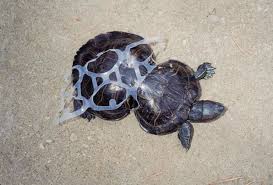
Turtle trapped in a plastic ring since youth

Bird swallowing a nylon bag
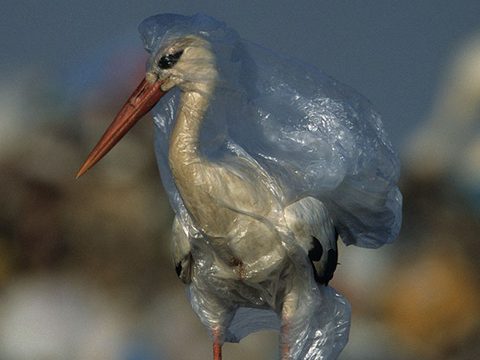
Bird trapped inside a nylon bag
Looking at these images, it is impossible not to feel distressed. Why not limit nylon usage right now to protect the environment, living creatures, and ourselves?
3. Limit Nylon Usage to Protect the Environment
Reducing waste starts with limiting nylon in our daily lives and households. The act of limiting nylon can be directly implemented through the following actions:

- Instead of using 4-5 nylon bags a day, reduce it to 1-2 and reuse them whenever possible.
- Bring baskets, reusable bags, or containers when shopping to minimize the number of nylon bags.
- Prioritize using eco-friendly materials over nylon in your and your family’s daily life. Suggested materials include paper, bamboo, rattan, sedge, and fabric, which are currently very popular. A key insight for you: Non-woven fabric bags are one of the most excellent innovations for reducing waste and protecting the environment.
To protect the environment, we must first change individual awareness; protecting the living environment is protecting future generations. Just by taking small actions like limiting nylon daily, you contribute significantly to saving our shared home, Earth!
With every product delivered to our customers, Vietsonic always aims to raise awareness about smart consumption and environmental protection. Contact us today via our website vietsonic.vn for detailed consultation.
Contact now: VIETNAM ULTRASONIC EQUIPMENT CO., LTD
Address: 43/5B, National Highway 22, My Hoa 4, Xuan Thoi Dong, Hoc Mon, HCMC
Hotline: 028 73 060 060
Website: vietsonic.vn
