



COSMETICS MANUFACTURING TECHNOLOGY
Same ingredient list, why can cosmetic textures differ?
Two creams may list the same ingredients, yet one feels soft and spreads easily while the other is thicker and feels different on the skin. These differences may arise from ingredient proportions, internal structure, and manufacturing methods. Understanding these factors helps readers interpret ingredient lists more completely and helps cosmetic developers identify which processing steps need control.
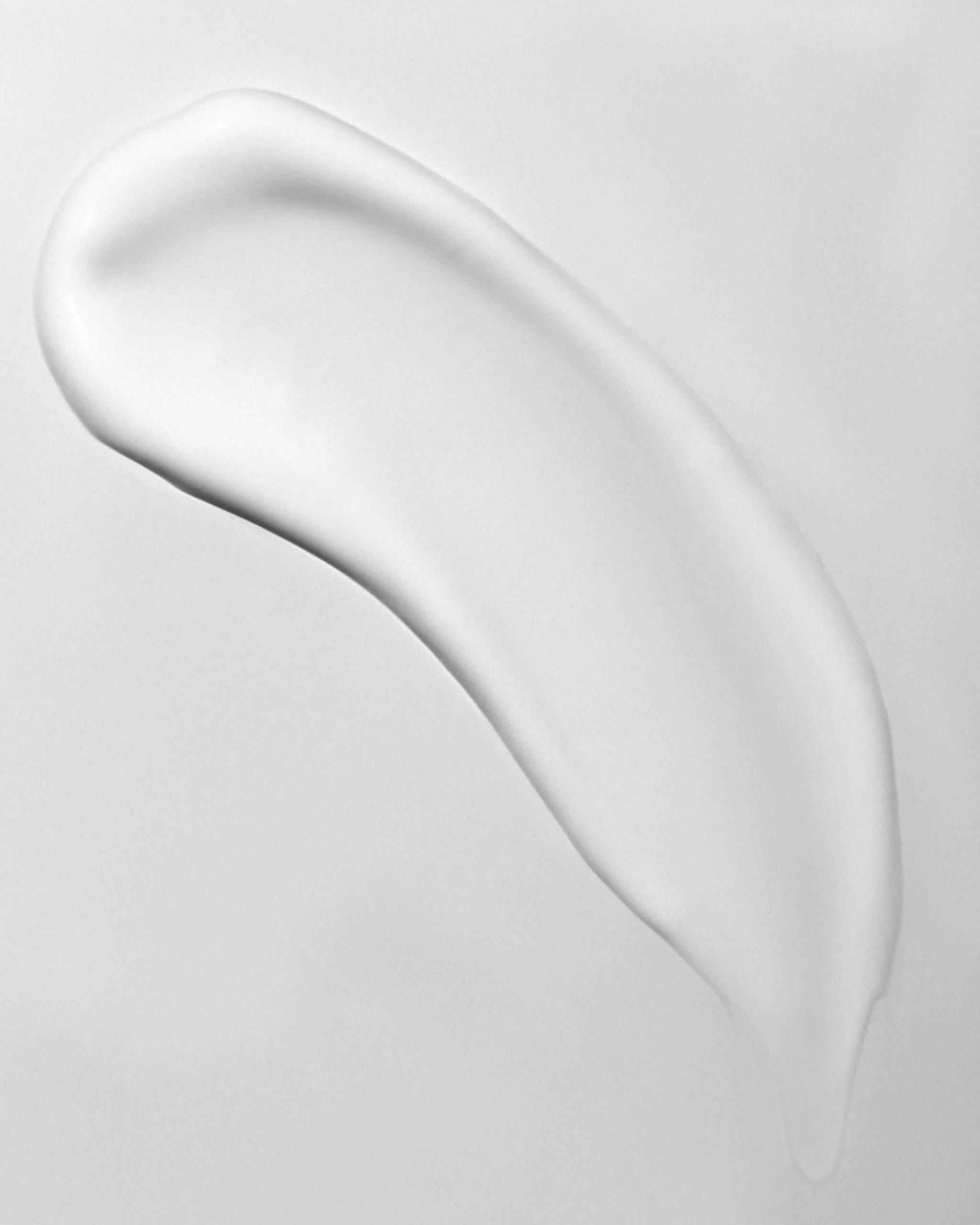
1. Identical ingredient names do not mean identical formulations
An ingredient list shows which substances are present, but the names alone do not reveal their exact proportions. Two formulas containing water, oil, and thickeners may have different consistencies if the ratios change.
Even with identical ingredient names, raw-material grades and technical specifications must be compared. For some thickening polymers, molecular structure and material properties affect gel formation. Comparisons should therefore begin with quantitative formulations and raw-material documentation.
2. Texture depends on how ingredients are organized
Texture includes what we perceive when scooping, spreading, and feeling a product: thickness, flow, smoothness, or stringiness. A single viscosity value cannot describe all these characteristics.
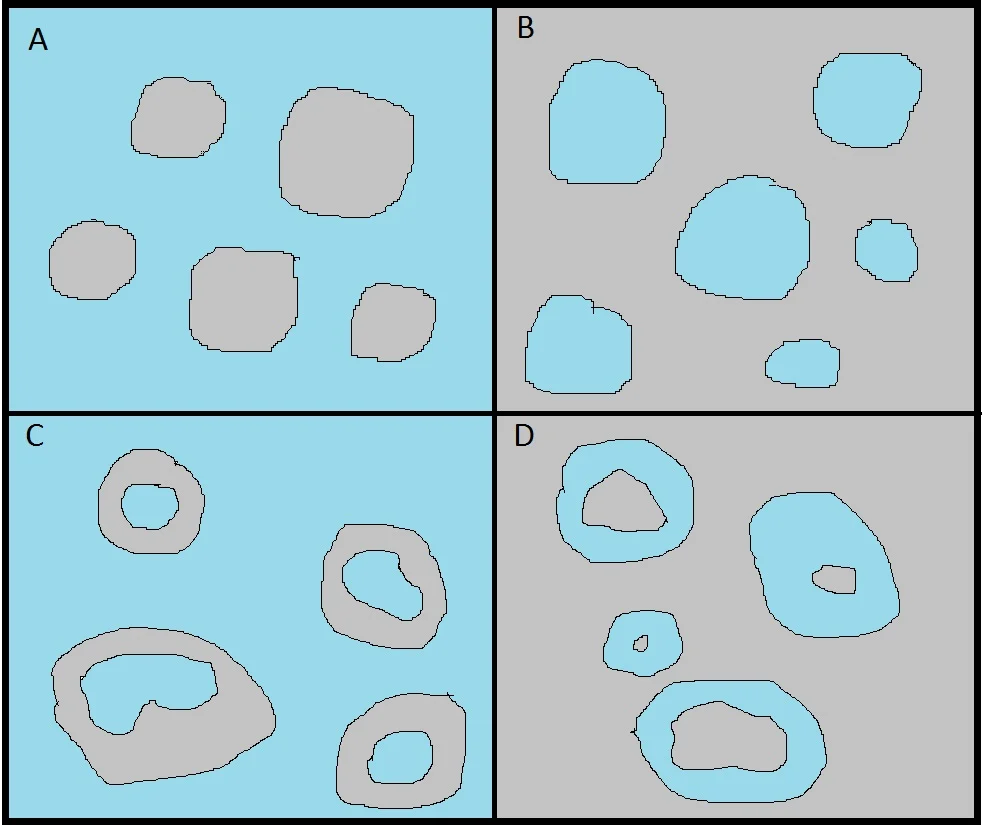
In oil-in-water emulsion creams, oil exists as droplets dispersed in the water phase. Droplet size and distribution, oil content, and the structural network formed by thickeners all influence how a cream deforms during spreading. Research on cosmetic emulsions has examined thickener concentration, dispersed-phase ratio, and mixing speed together to investigate their relationship with texture.[1]
For solution- or gel-based serums, the key factors may instead be solubility and gel structure. Not every serum contains oil droplets or requires emulsification.
3. Even with the same formulation, the manufacturing process must be controlled
Mixing order and structure-development time
Ingredients must be introduced into the correct phase and processed according to their properties. In systems using polymers that require hydration—that is, absorbing water to develop structure—waiting time and dispersion method are variables to examine. pH and electrolyte content can also influence some thickening systems; the extent depends on the material.
Mechanical processing intensity
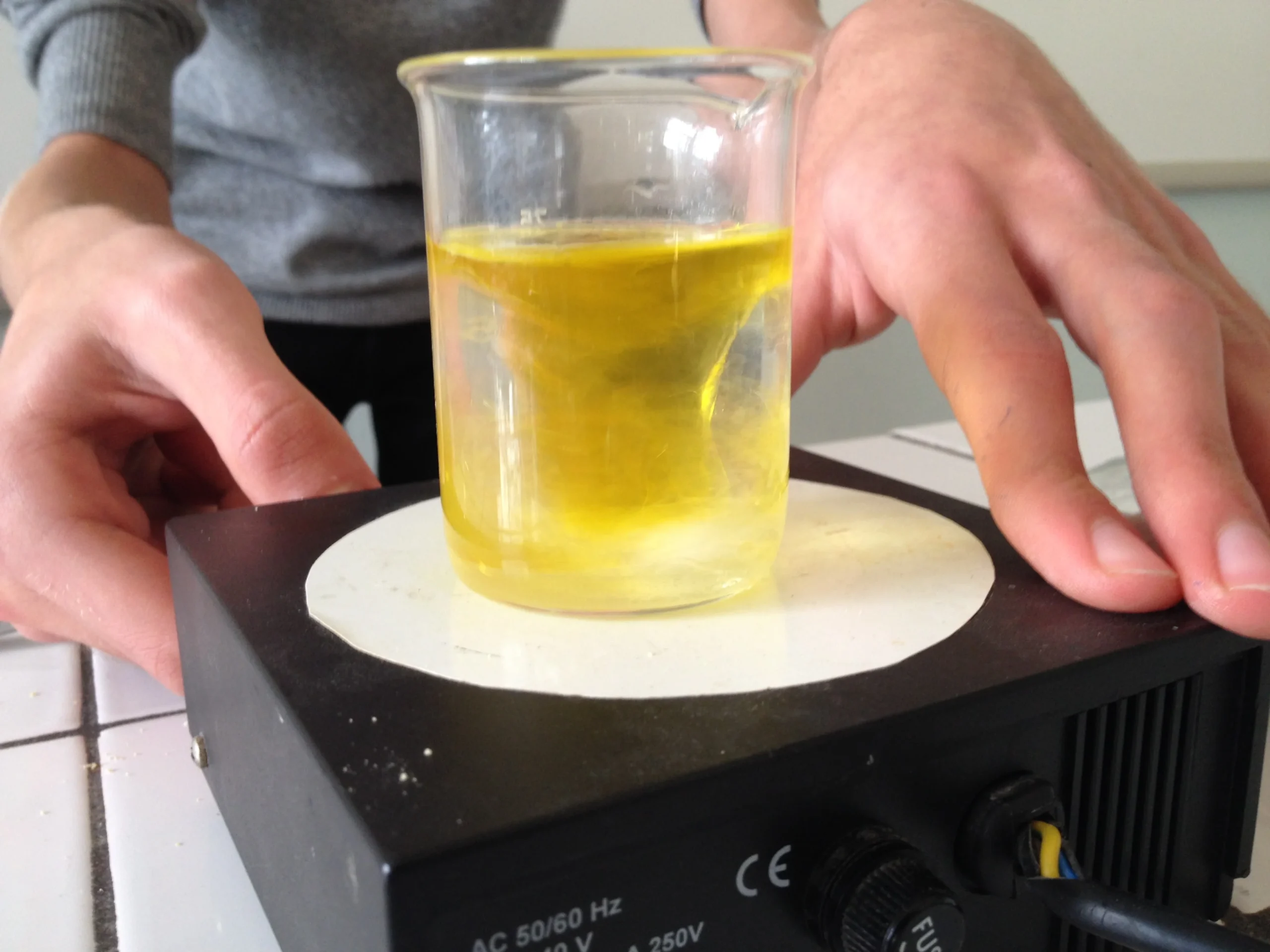
During emulsification, mixing and homogenization help disperse one phase into another. Changes in operating conditions can alter droplet-size distribution and flow behavior. When scaling from a laboratory beaker to a large tank, impeller geometry, volume, and circulation flow must be considered instead of simply keeping the same rpm.
Temperature and cooling stage
For systems containing waxes or ingredients that develop structure upon cooling, the heating and cooling history is worth monitoring. Research into cosmetic emulsion manufacturing methods shows that texture and rheology should be evaluated alongside processing conditions; responses depend on the formulation.[2]
4. Where does ultrasonic technology act?
In liquid processing, high-power ultrasound can cause cavitation: bubbles form and collapse, generating localized mechanical effects. In suitable systems, these effects help disperse particle agglomerates or break up dispersed-phase droplets during emulsification.
Studies of ultrasonic emulsification indicate that processing time, amplitude, and sample volume affect droplet size. Size reduction may approach a limit, so longer treatment does not necessarily yield a proportional improvement.[3]
A study of triglyceride systems also reported different emulsion and gel states when oil content, emulsifier ratio, and processing conditions were varied.[4]Thus, ultrasound does not automatically make creams thicker or thinner, or produce nanoscale droplets. The processing step must be selected, temperature controlled, and the finished product measured.
5. How should we compare products to identify differences?
To assess the effect of a process step, keep the formulation and materials unchanged, vary the factor under investigation, and measure samples at the same temperature and at the same time after manufacture. The table below suggests an evaluation design; it does not present test results for Mai products.
| Objective | Evaluation method | Conditions to keep constant |
|---|---|---|
| Compare thickness and flow | Measure viscosity or rheological curves | Same temperature, measurement method, and sample resting time |
| Examine emulsion structure | Measure droplet-size distribution and observe using appropriate methods | Same sampling and preparation methods; distinguish oil droplets from solid particles |
| Compare spreading feel | Evaluate spreadability, tackiness, and perceived residue using consistent criteria | Same amount of product, test area, and application technique |
| Monitor changes during storage | Check phase separation, pH, and viscosity changes | Record storage time, temperature, and packaging |
6. Three frequently asked questions
Does a thicker cream mean better quality?
Thickness should suit the intended use. Thickness alone cannot establish active-ingredient efficacy, product safety, or stability.
Does a quick-drying feel prove that active ingredients penetrate deeply?
The feel after spreading is one aspect of user experience. Claims about active-ingredient penetration require specific, appropriate testing.
Can you tell whether ultrasound was used just by looking at a cream?
Observing the cream surface does not reveal which technology was used. Process records and test data are needed to assess manufacturing steps.
Texture control starts with formulation and processing
The same ingredient list can still produce different textures. Finding the cause requires comparing proportions, material properties, product structure, and processing conditions. Ultrasound is one technology worth investigating in suitable process steps; its effectiveness must be confirmed with data for each system.
Discuss ultrasound applications in cosmetics manufacturing withVietSonic.You can prepare information on product type, processing volume, viscosity, and the problem to be solved to help clarify equipment requirements.
Email:info.vietsonic@gmail.com· Website:vietsonic.vn